Filters
0 webinars selected
Select all
Cancel
6
of
2,646 Webinars Clear filters
Sort by
Sort by
1:24:14
1.0K views
CC
Top 5 Strategies for Researching Early Kentucky and Virginia Families
Researching early families in Kentucky and Virginia can be particularly challenging. Every location has multiple people of the same name making even surviving records difficult to sort. There are few available birth and death records and other records may be difficult to locate or non-existent. Learn effective strategies for researching that difficult early Kentucky or Virginia family.
Thu, June 12 2025: 0:00 UTC
1:24:57
1.0K views
CC
Kentucky and Virginia Tax Lists – 5 ½ Strategies for Identifying That Elusive Early Southerner
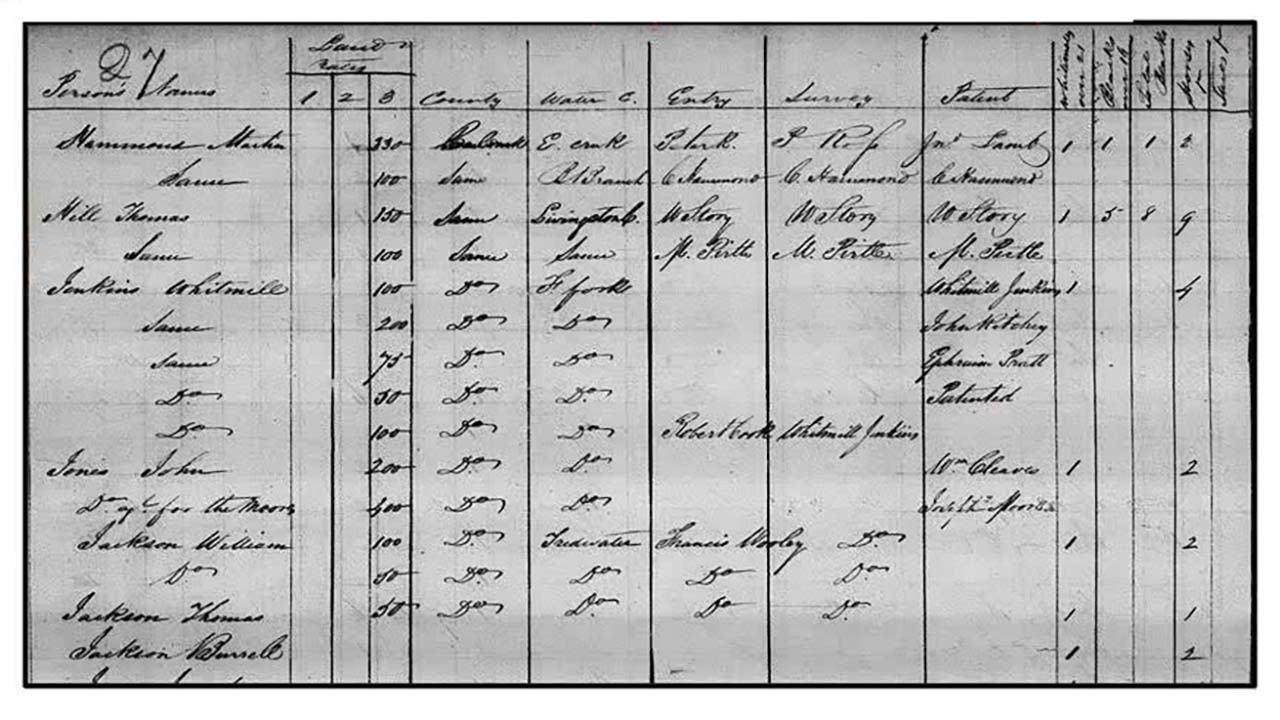
Kentucky and Virginia have some of the most complete tax lists in the United States. Their value in research often goes unrecognized by even the experienced researcher. Tax lists can be a primary tool for solving difficult research problems and are invaluable when used with other records. Learn how to access original records, to best organize them for study, and to interpret their meaning. The lecture will use case studies to show their use in tracking individuals across time, estimating birth dates and death dates, separating individuals of the same name, determining the identity of other family members, and using them as substitutes for deeds, court records, and estate records in burned counties.
Wed, June 26 2024: 18:00 UTC
1:00:57
2.4K views
CC
Before Statehood: Virginia, Fincastle and Kentucky Records
Let’s discover what’s is available and where for this important Commonwealth. Record types, finding aids, locations, and examples will be discussed and presented.
Fri, October 4 2019: 0:00 UTC
1:01:55
1.7K views
CC
Finding Kentucky Land: Grants, Deeds and the Missing Pieces
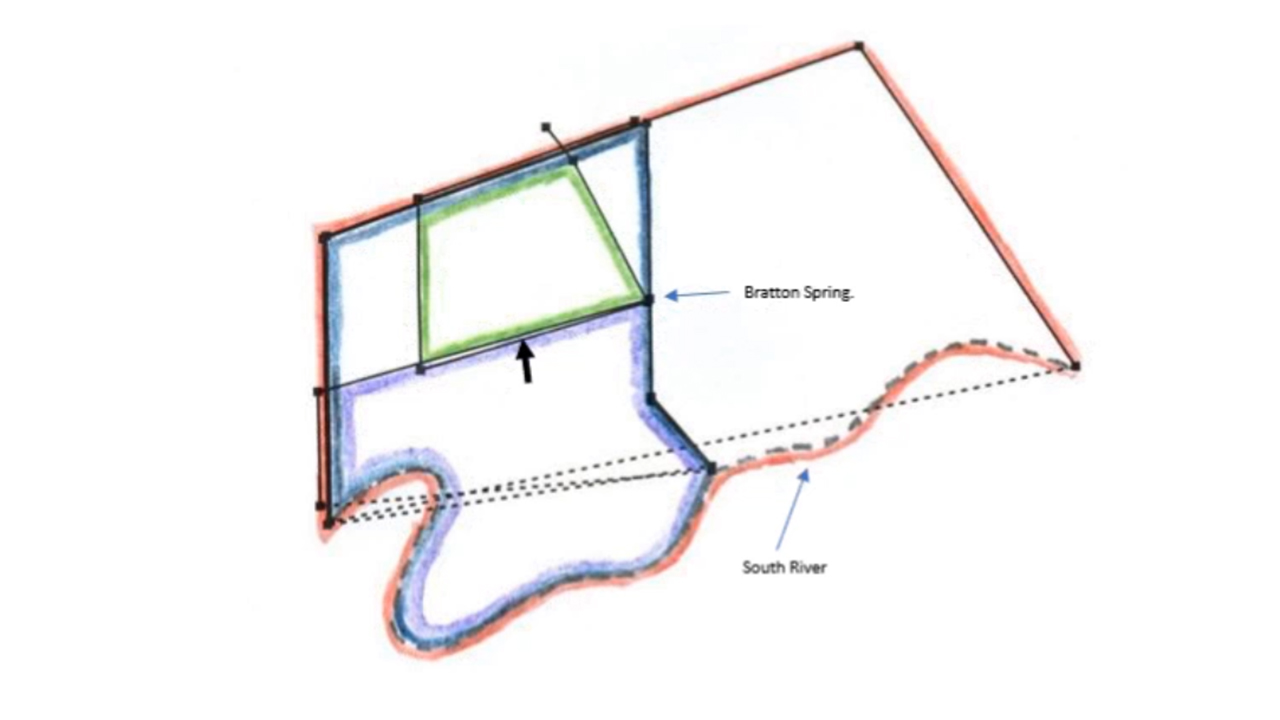
Discover the step-by-step process of grants, entrys, surveys, processions and deeds for Virginia and the Commonwealth of Kentucky. Learn how and where to find these items to further your research, and how to find those missing pieces.
Fri, September 21 2018: 0:00 UTC
1:28:44
2.6K views
CC
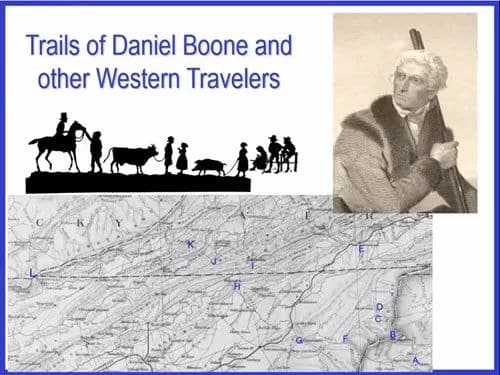
Trails of Daniel Boone and other Western Travelers
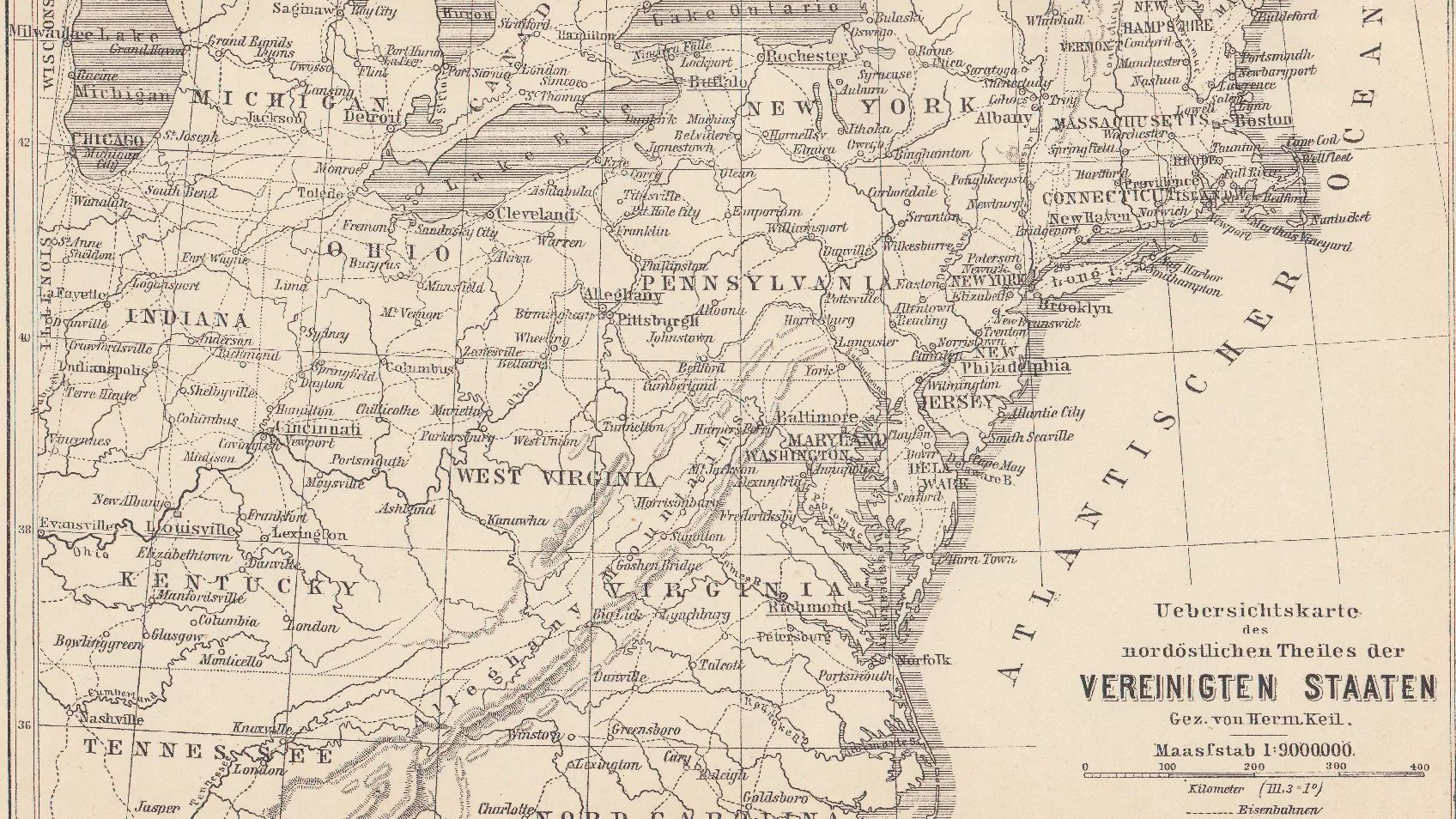
Learn about the historic trails and trailblazers that lead early settlers to and from Virginia, North Carolina, Kentucky, Tennessee and the West. Get specific clues to help you solve difficult research questions.
Wed, July 18 2018: 0:00 UTC
1:52:03
6.5K views
Discovering Your Kentucky Ancestors
Learn about the records that transcend the development of Kentucky county, Virginia to the Commonwealth of Kentucky in 1792. Learn about the earliest counties, what to use and how to find the right records for your Kentucky ancestors.
Wed, August 19 2015: 0:00 UTC

Upcoming Live Webinars

View all (236)
Fri, February 13 2026: 19:00 UTC
Breaking the 1870 Brick Wall: Comprehensive Strategies for Tracing Formerly Enslaved African American Ancestors
Fri, February 13 2026: 19:00 UTC
Overcoming the 1870 brick wall in African American genealogy is challenging, but possible. This session presents a clear, step-by-step roadmap for tracing formerly enslaved ancestors using the Genealogical Proof Method. Learn how to reconstruct the freedmen generation, identify potential enslavers, and mine enslaver records for hidden ancestral clues. We’ll explore records on Ancestry and FamilySearch, including census and vital records, Freedmen’s Bureau files, cohabitation records, and estate records. If you’re ready to move beyond 1870 and build a fuller picture of your family’s past, this webinar will equip you with the tools and confidence to begin.
Fri, February 13 2026: 19:00 UTC
Tue, February 17 2026: 14:00 UTC
Spanish
Documentación de cementerios con BillionGraves
Tue, February 17 2026: 14:00 UTC
Si las lápidas pudieran hablar, tendrían muchas historias que contar. Pero no pueden, por eso BillionGraves es la mejor alternativa. BillionGraves es la mayor base de datos del mundo sobre cementerios, conectada a un sistema GPS. Cuando se toman fotos con la aplicación BillionGraves en el teléfono, cada lápida se marca automáticamente con una posición GPS. A continuación, los datos son transcritos por voluntarios, transferidos a planos de cementerios y almacenados en los sitios web BillionGraves, FamilySearch y MyHeritage para millones de familias de todo el mundo y para las generaciones futuras. Los subtítulos y la voz de este vídeo se han doblado al español utilizando IA.
Tue, February 17 2026: 14:00 UTC
Wed, February 18 2026: 1:00 UTC
Lineage in Context: Creating a Compelling Kinship-Determination Project
Wed, February 18 2026: 1:00 UTC
Turn your research into a meaningful family narrative that meets BCG certification requirements. This session will demonstrate how to write a structured narrative lineage that both proves kinship and details the history of each couple. Topics include selecting an appropriate family line, placing families in context, organizing and analyzing evidence, meeting BCG’s standards, and documenting biographical details.
Wed, February 18 2026: 1:00 UTC
Wed, February 18 2026: 19:00 UTC
DNA in Action 1 of 6: Proving Your Pedigree with DNA
Wed, February 18 2026: 19:00 UTC
The series begins with sound genealogy methodology and principles and then explains their logical extensions when using autosomal DNA as a source of information to answer focused research questions. Karen will use a case example to prove the documented ancestors are consistent with the genetic evidence on a selected ancestral line. This lecture focuses on methodology and decision-making.
Wed, February 18 2026: 19:00 UTC
Thu, February 19 2026: 16:00 UTC
French
Documenter les cimetières avec BillionGraves
Thu, February 19 2026: 16:00 UTC
Si les pierres tombales pouvaient parler, elles auraient beaucoup d’histoires à raconter. Mais elles ne le peuvent pas, c’est pourquoi BillionGraves est la meilleure alternative. BillionGraves est la plus grande base de données au monde sur les cimetières, reliée à un système GPS. Lorsque vous prenez des photos avec l’application BillionGraves sur votre téléphone, chaque pierre tombale est automatiquement marquée d’une position GPS. Les données sont ensuite transcrites par des bénévoles, reportées sur des plans de cimetières et conservées sur les sites web BillionGraves, FamilySearch et MyHeritage pour des millions de familles à travers le monde et pour les générations futures. Les sous-titres et la voix de cette vidéo ont été doublés en français à l’aide de l’IA.
Thu, February 19 2026: 16:00 UTC
Fri, February 20 2026: 19:00 UTC
Emigration and Migration from Yorkshire, England
Fri, February 20 2026: 19:00 UTC
Yorkshire was an area of great migration, those who moved within the county, those who moved in and out of the county and those who left Yorkshire and England. Most Europeans who emigrated travelled to America with more than 2 million English moving to America in the 1800s. The changes during the 1800s through the effects, and aftereffects, of the Industrial Revolution created great change in Yorkshire as well as the decline in lead mining and farming in rural areas and the Yorkshire dales. As people lost opportunities to earn a living in these areas they were pulled to the opportunities further afield, the mills towns in the West Riding of Yorkshire and Lancashire and further afield to America then later to Canada and Australia. As a member of a family emigrated this created a greater pull for friends and family to join them creating communities in another country. This was the case in New Diggings in Wisconsin where many people from Swaledale and Wensleydale left the declining lead mines to start new lives in the growing mines of America. This talk will explore the people who emigrated, the villages they left and the communities they joined along with the Yorkshire surnames which are now part of American life. Oral histories documented in the book ‘Those Who Left the Dales’ by the Upper Dales Family History Group are referred to as well as immigration records and original documents held at North Yorkshire Archives including the publication ‘History of New Diggings’ and a Dakota ‘recruiting’ lecture given in Wensleydale. The talk will provide an insight into the reasons for leaving Yorkshire, particularly the Yorkshire Dales, and the lives of those who emigrated.
Fri, February 20 2026: 19:00 UTC