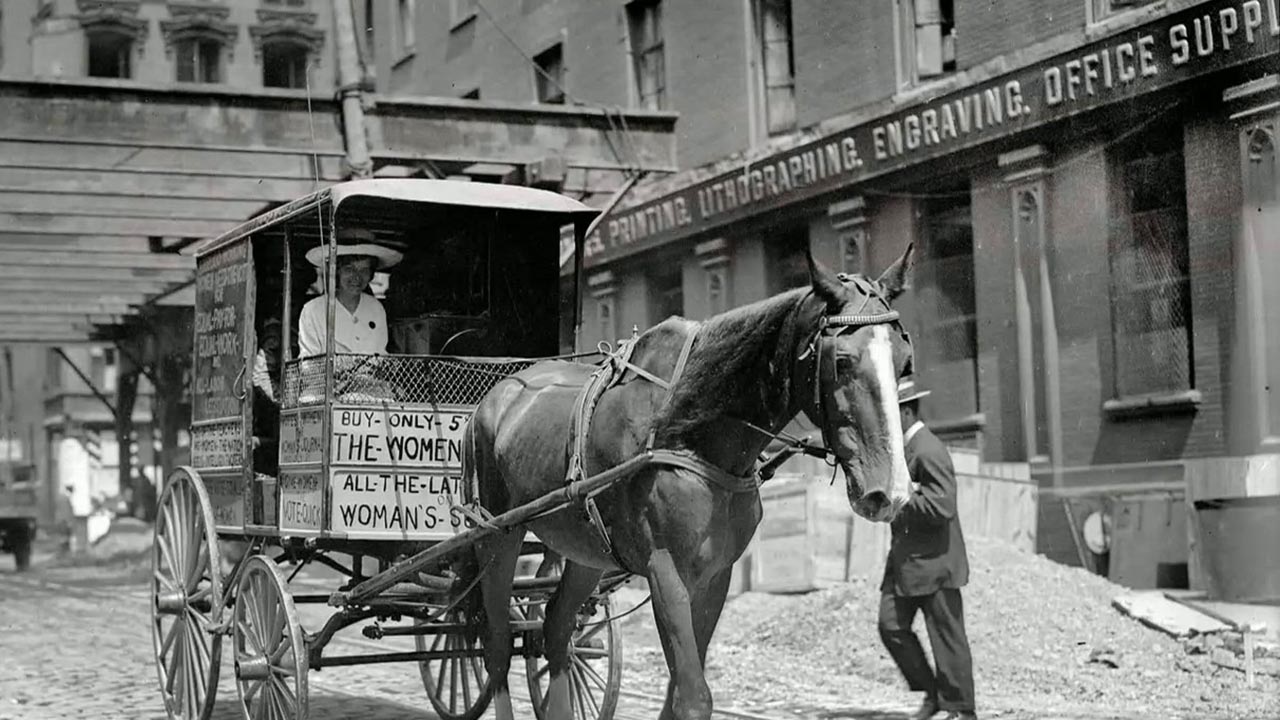
Logic and deduction: Part of the Genealogical Proof Standard
Shellee Morehead, PhD, CG

Content


About this webinar
Correlation of facts, along with explaining conflicting evidence is part of the genealogical proof standard. Learn tools and see examples of how to do it. Correlation and analysis, as well as explaining inconsistencies in our research, are critical in the application of the Genealogical Proof Standard. But how do we do it, and what sorts of tools can we use to make sure that our data is the best we can find? In this lecture, we will discuss the genealogical proof standard as well as delve into documentary evidence that needs to be explained. Using one 19th century example, I use time lines, associates, various vital records, and unpublished journals to correctly place individuals in to families. In a 20th century example, I show how only careful analysis of information, including oral family history, can identify the one official record among many that provides a woman’s true name. Different tools and explicit logic and deduction can help us arrive at solid genealogical conclusions regarding identity and relationship.
About the speaker

Related webinars
 00:55:55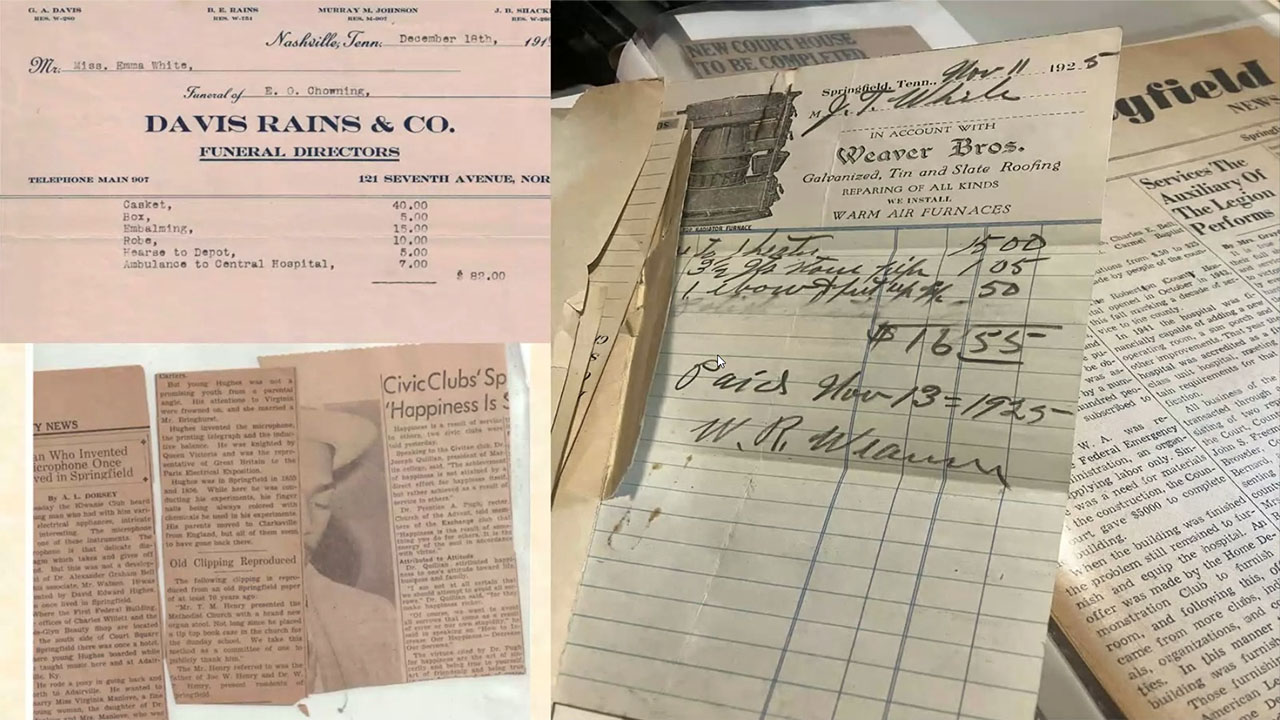
 01:10:41
 01:05:55
 01:01:33