Finding Females in US Naturalization Records, 1790-1952
Nancy E. Loe, MA, MLS

Content

Welcome
1:48
Speaker's Introduction
1:07
Introduction
4:12
Naturalization Laws Affecting Women
4:55
Major Naturalization Legislation
15:26
Types of Records
6:40
Case Study
3:01
Finding Naturalization Records
7:44
Announcements / prizes
7:59
Questions / answers
19:50

About this webinar
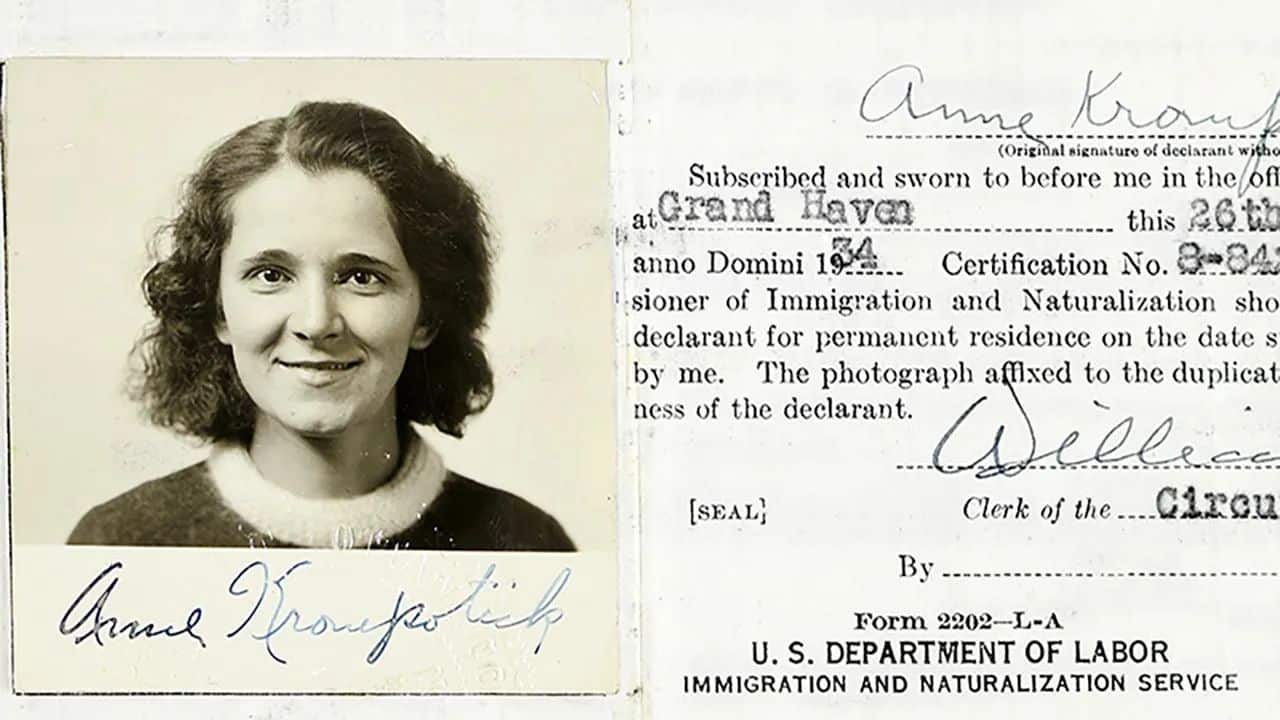
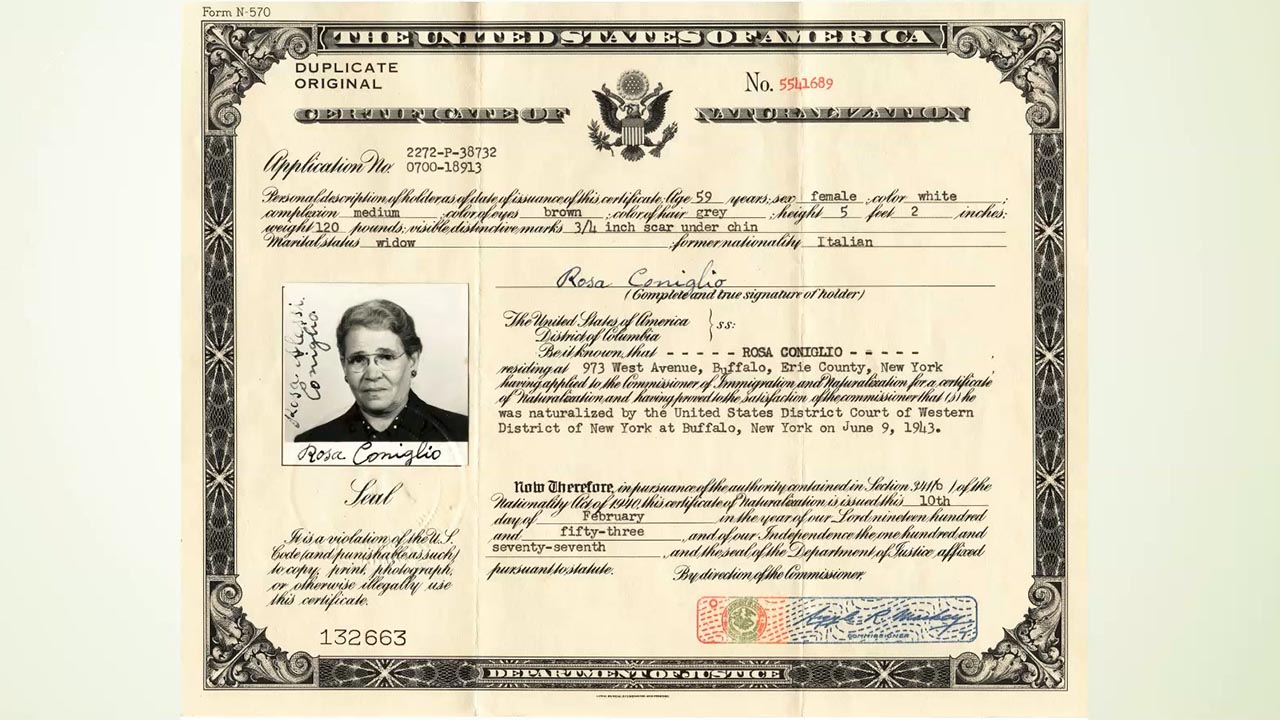
Whether you’re missing a naturalization record or finding an unexpected one, this session helps you discover how female ancestors — both foreign-born and birthright — gained, lost, or regained citizenship in the United States between 1790 and 1945. US citizenship and attendant rights for women could be fragile, depending on marital status, prevailing laws, social norms, and other shifting factors. Examples of US naturalization and citizenship records, and search strategies for finding these records are featured in this presentation.
About the speaker

Archivist, librarian, and genealogist Nancy Loe has been helping researchers with their family trees since 1977. From her time interning at the Smithsonian archives as a grad student to her current wo...
Learn more...Related webinars
 01:12:42
 01:14:25
 00:52:51
 01:29:28
 01:26:41
 01:31:16
 01:31:16
 01:31:16
 01:25:59

Comments (50)
Nancy's webinar was absolutely mind blowing. I never knew any of this! I did know that when my parents bought their first home in North Weymouth, MA in the early 1950's my Mum's name could not be on the deed. She also never had a credit card until my Dad died in 1966. Crazy. This was not that long ago.
A lot of great information.
I was always so confused with this topic. I'm not going to be an expert, but you've made it so much more understandable! Thank you.
Fantastic! I've never bothered looking into naturalization as almost all of my direct ancestors came during the Colonial period. One of the few exception families came from England in 1840. I found some of the father's records, but nothing for the children. Now I'll start looking again.
Nancy Loe is a prime example of the caliber we should all be exposed to in our quest for help. Her presentations are succinct and easy to follow.
Clear, concise, logical, and understandable. Very usable information
Nancy was very knowledgeable and had great examples. I appreciate her mentioning how Asian immigrants were unable to be naturalized. There are some interesting cases where American-born Asian women lost their citizenship by marrying an Asian immigrant man and then weren't able to regain their citizenship until much later.
Good information that will undoubtedly assist me in answering some open questions about my female ancestors' lives. Thanks.