Content


About this webinar
This session will introduce a large variety of documents that may be located within the Estate files of individuals dying with or without a will. The records may provide researchers with direct or indirect evidence of heirs of the deceased, descriptions of property (both real and personal), occupation, literacy, and other interesting tidbits.
About the speaker

Key points and insights
Diving into probate research frequently leads family historians straight to wills, yet a comprehensive look at estate files reveals a wealth of information far beyond a single directive document. In this insightful genealogy webinar presented by certified genealogist Linda Woodward Geiger, researchers are introduced to the vast, interconnected network of paperwork generated during the estate settlement process. Whether an ancestor died testate (with a valid will) or intestate (without one), the resulting court case can provide the precise keys needed to shatter long-standing brick walls. By systematically analyzing petitions, administrator records, and inventories, genealogists can uncover hidden lineages and reconstruct the exact daily realities of historical families. Understanding local state statutes and meticulously tracking estate files enables investigators to transition from basic name-gathering to profound historical discovery.
- Differentiating Testate and Intestate Procedures: Estate administration follows strict legal paths determined by the jurisdiction where the deceased resided or owned property. If a will is deemed invalid or non-existent, courts issue letters of administration rather than testamentary directives, opening up unique record groups such as administrator bonds, distribution proofs, and detailed heirship listings that often mention entirely forgotten family branches.
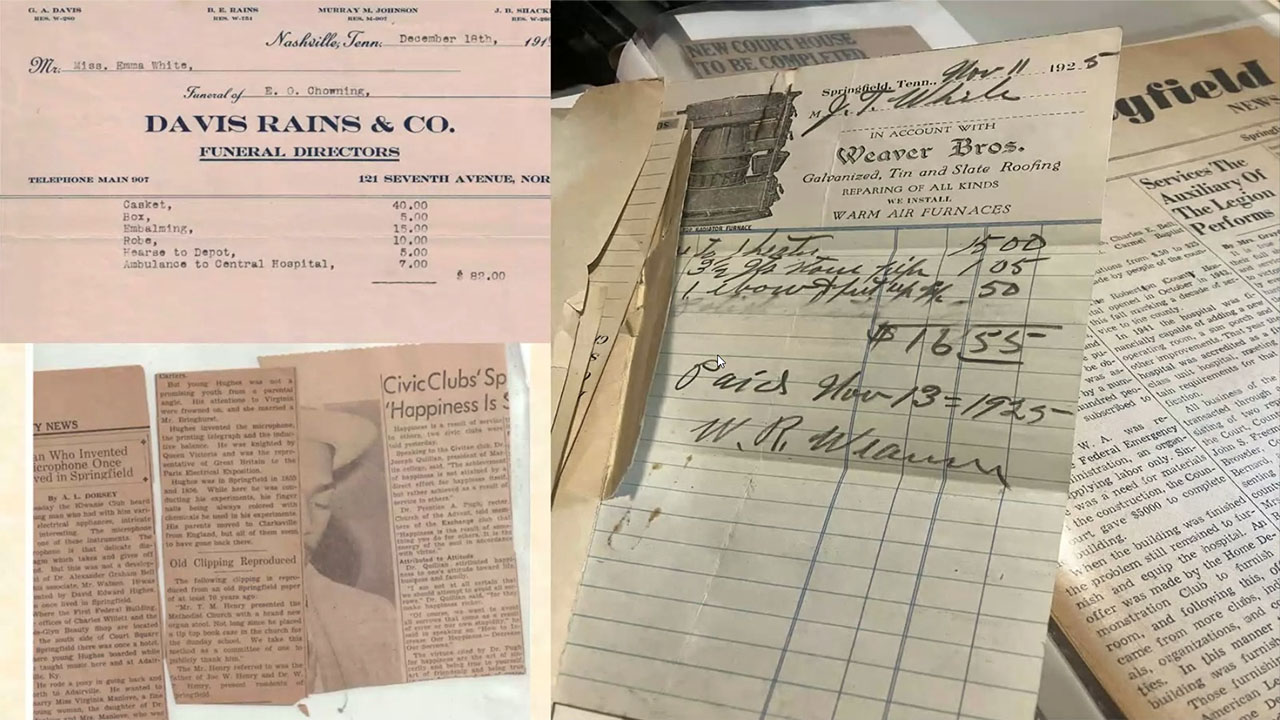
- Extracting Lineage Connections from Financial Vouchers: Meticulously tracking annual returns, vouchers, and final accounts can provide indisputable indirect evidence of parental relationships. For example, tracking equal financial distributions or specific receipts signed by sons-in-law "in the right of his wife" allows researchers to confidently identify a female ancestor’s father and siblings even when direct marriage or birth certificates are completely missing.
- Deciphering Socioeconomic Status Through Detailed Inventories: Estate inventories and estate sales provide an unvarnished window into an ancestor's lifestyle, literacy, and occupation. Identifying specific tools of a trade—such as a turner's lathe or a blacksmith's anvil—clarifies how an ancestor earned a living, while listings of books, spinning wheels, or distinct household goods detail the family's exact domestic environment and socioeconomic standing.
To fully grasp these advanced analytical techniques and see real-world estate files demonstrated step-by-step, viewing the complete recorded presentation is highly recommended. The full webinar provides invaluable guidance on interpreting complex court nomenclature, avoiding common chronological traps, and effectively searching digital state vaults and microfilm catalogs. Genealogists are also warmly invited to explore the additional reading lists, statutory guides, and historical references compiled in the accompanying four-page supplemental syllabus. Delving into these expert-curated materials is an excellent way to refine any investigative toolkit and successfully bring ancestral histories to light.
Related webinars
 01:02:43
 01:05:03
 01:06:21
 01:15:56
 01:00:23
 00:57:39