Clusters and Triangulation: Turning DNA Matches into Family Connections
Loïc Duchamp, MyHeritage Webinars

Content

About this webinar
Clustering and triangulation are key to solving complex family mysteries. This webinar will show how to identify clusters of DNA matches on MyHeritage, how to interpret them, and how to spot triangulations that reveal shared ancestral lines. Real-life case studies will illustrate how these methods can break through brick walls.
About the speakers


Key points and insights
Unlocking the secrets of your family tree requires moving beyond simple DNA estimates into rigorous analytical methods. In the MyHeritage webinar, "Clusters and Triangulation: Turning DNA Matches into Family Connections," professional genetic genealogist Loïc Duchamp demonstrates how to transform subtle DNA signals into concrete, documented genealogical proof. Rather than chasing quick answers, genetic genealogy requires a structured framework designed to build reliable conclusions. Understanding how to organize DNA data into coherent networks and verify shared genetic segments allows genealogists to break through frustrating brick walls and uncover true ancestral connections.
- The Four Conditions of True Triangulation: A valid triangulated group requires a strict, logical framework to serve as evidence. It must consist of three or more testers who share the exact same DNA segment at the same chromosomal location, all inherited from a single, verifiable ancestral line.
- Auto-Clustering as a Tool for Hypotheses, Not Proof: Tools like MyHeritage Auto-Clusters organize matches into shared genetic networks based on overlap, but clusters represent working hypotheses rather than definitive conclusions. Factors such as endogamy, pedigree collapse, and close relatives can connect distinct branches within a single cluster.
- The Peril of Genomic "Pileup Zones": The most misleading DNA matches are not small segments, but false positives caused by genomic pileup zones—chromosomal regions where many unrelated individuals share identical DNA due to historical population bottlenecks or founder effects. Mapping segments using tools like DNA Painter is essential to identify these hotspots and reject false triangulation.
To master these advanced methodologies and apply them directly to your own family tree, viewing the full webinar recording is highly recommended. The complete session offers detailed visual demonstrations of chromosome mapping, auto-cluster navigation, and step-by-step case studies that illustrate how professional framework techniques prevent costly research errors.
For maximum benefit, genealogists are invited to explore the extensive syllabus materials available on the webinar page. This comprehensive handout provides essential thresholds, analytical workflows, and reference guides that will prove invaluable as you map your DNA matches and document your ancestral lines with confidence.
Related webinars
 00:44:01
 01:09:02
 01:00:21
 00:51:43
 00:59:53
 01:10:33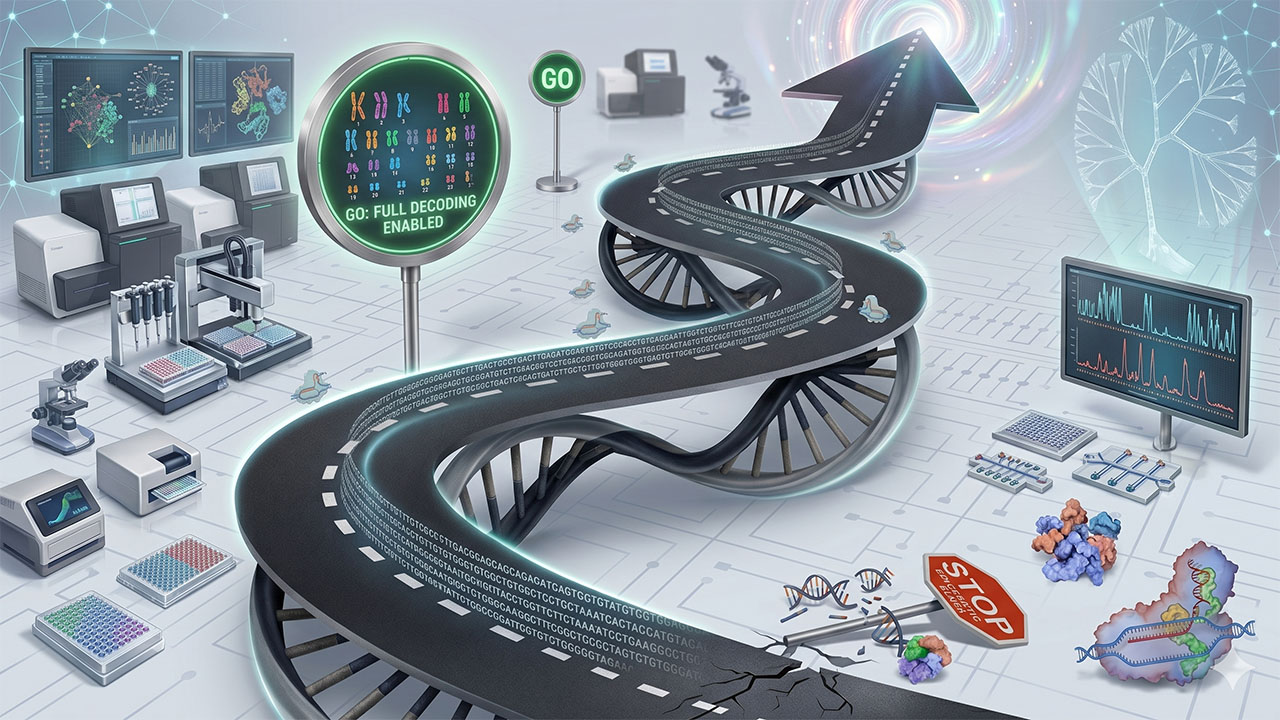

Comments (32)
Watching this presentation will help me with my research. I have worked with DNA for a few years and there were three points that I liked best. 1. Auto clusters are research tools. not definitive proof of a genealogical relationship. 2. Remember: Clusters are hypotheses — not conclusions. 3. Keep clusters neutral (Cluster A, B, C,) until triangulation and documentation confirm the ancestral connection.
The print out was very helpful in letting me understand what was being said. My main take away was the introduction to DNA terminology.
The methodology presented was spot-on, and logically sound. Now all I have to do is incorporate it into my own genealogical research. Thank you.
I was impressed with his knowledge which helped in my understanding of clustering. There is so much more to learn.
The presentation was very detailed and well-presented.
Very instructive and helpful webinar. I wish there had been time for more questions.
Fantastic webinar! Will have to get the premium subscription to work on my DNA clusters!
Logic covered the topic well.