Breathing Life into Ancestral Stories: Using Social History in Genealogical Research
Robyn Smith

Content


About this webinar
Have you ever wondered what your ancestors' lives were like beyond the names, dates, and places? While these fundamental details form the backbone of genealogical research, they often fail to capture the imagination of family members who aren't as passionate about genealogy. The key to engaging your relatives and bringing your ancestors to life lies in incorporating social and community history into your family narratives. While time travel remains the stuff of science fiction, we can carefully reconstruct the historical context in which our ancestors lived. In this session, Robyn describes approaching social history by using conventional genealogical records in new ways, and using unconventional genealogical records. This session includes multiple examples of how to incorporate our findings into our writing for more creative storytelling. By embracing social history and looking beyond traditional genealogical facts, we can create compelling narratives that bring our ancestors to life. This approach not only enriches our understanding of family history but also captivates the interest of relatives who might otherwise remain indifferent.
About the speaker

Key points and insights
In her dynamic presentation, “Breathing Life Into Ancestral Stories: Using Social History in Genealogical Research,” genealogy expert Robyn Smith showcased how to transform sparse ancestral records into vivid, engaging life stories. As part of the 24-Hour Genealogy Marathon, Smith offered a compelling case for integrating social history—everyday details like occupations, traditions, technologies, and community life—into genealogical writing. With over 25 years of research experience, Smith guided viewers through specific methods to find and incorporate these details using underutilized sources, making family stories resonate with depth, emotion, and authenticity.
Key Takeaways:- Ask Social History Questions to Add Depth: Smith emphasized curiosity-driven research. Asking questions such as “What did they eat?” or “How did they travel?” can transform a name and date into a richly textured story. Food traditions, clothing, recreational habits, and health practices are gateways to understanding ancestors in the context of their time.
- Mine Overlooked Sources for Rich Context: From city directories and historic inventories to photograph collections, oral histories, and maps, Smith demonstrated how each source reveals layers of daily life and community. Rather than relying solely on genealogical databases, she encouraged browsing these materials page by page, uncovering local histories, images, and unexpected gems.
- Tell Stories That Resonate: Smith urged genealogists to go beyond data by writing narratives that connect emotionally. She offered examples of family members whose lives were contextualized with period details, maps, occupational history, and AI-generated imagery. Her call to use AI tools, local archives, and public domain images as storytelling aids reinforced the idea that compelling history is accessible to all researchers.
Be sure to explore the extensive syllabus accompanying this webinar—it’s packed with valuable links, case studies, and resource suggestions for diving deeper into your ancestors’ worlds. Whether you’re just beginning to write or are looking to elevate your narratives, Smith’s methods offer both inspiration and actionable steps.
Related webinars
 00:55:55
 01:10:41
 01:05:55
 01:01:33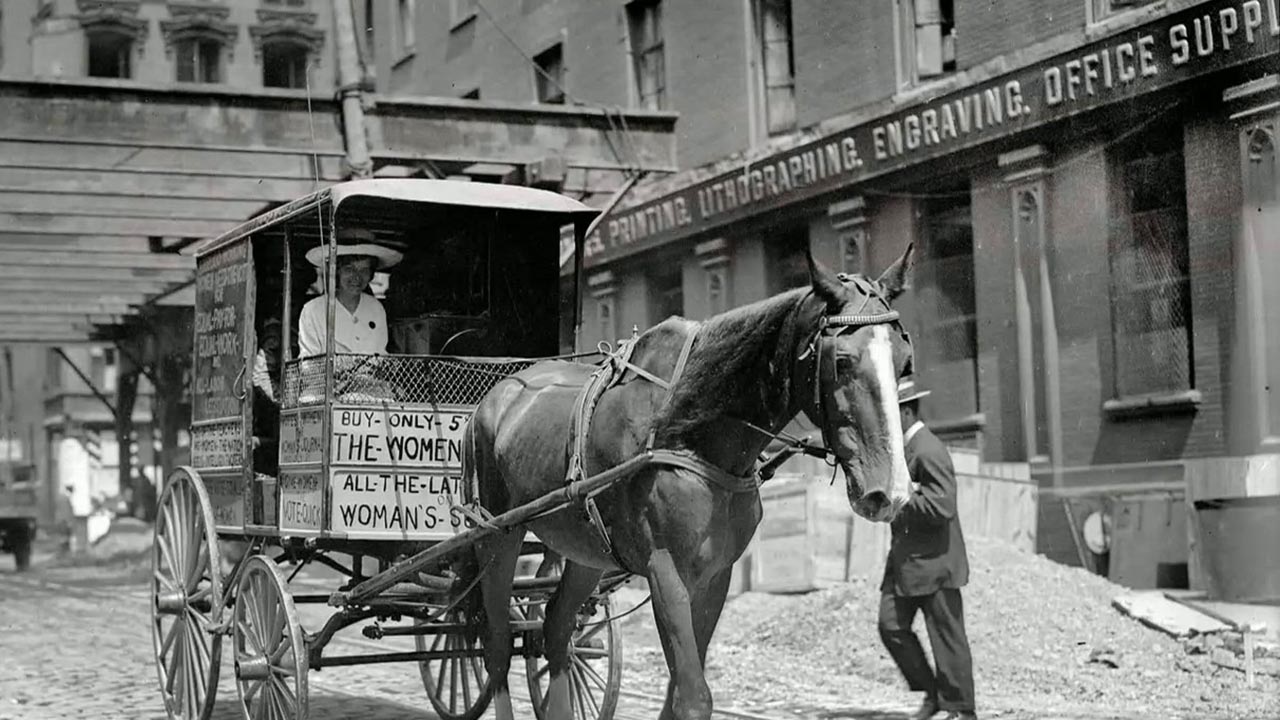

Comments (152)
Packed full of great information
just amazing - so much information was mind.boggling!
An excellent presentation. Very well illustrated with useful examples. For instance, the segment on how maps can enhance your research was very instructive using an historic map, a Google Map, and a local historic society's records/photographs. The combination can provide an intriguing investigation of where and how your ancestor might have lived.
I learned so much in this short time. Robyn is very knowledgeable and inspiring!
This webinar was very informative, and l learned a lot. I took away information that I can use to expand on my family narrative.
Very interesting and informative. Love her style!
An excellent job. I have know Robyn for many, many years and she never fails to make me feel like a beginner even though I've been researching for almost thirty years. Excellent as always. Thanks.
Exceptional!