Filters
0 webinars selected
Select all
Cancel

Historical Records

Watch webinars that focus on specific record categories including adoption, vital records, cemetery records, census records, city directories, immigration records, newspapers and more for locations around the world.

2
of
2,623 Webinars Clear filters
Sort by
Sort by
49:55
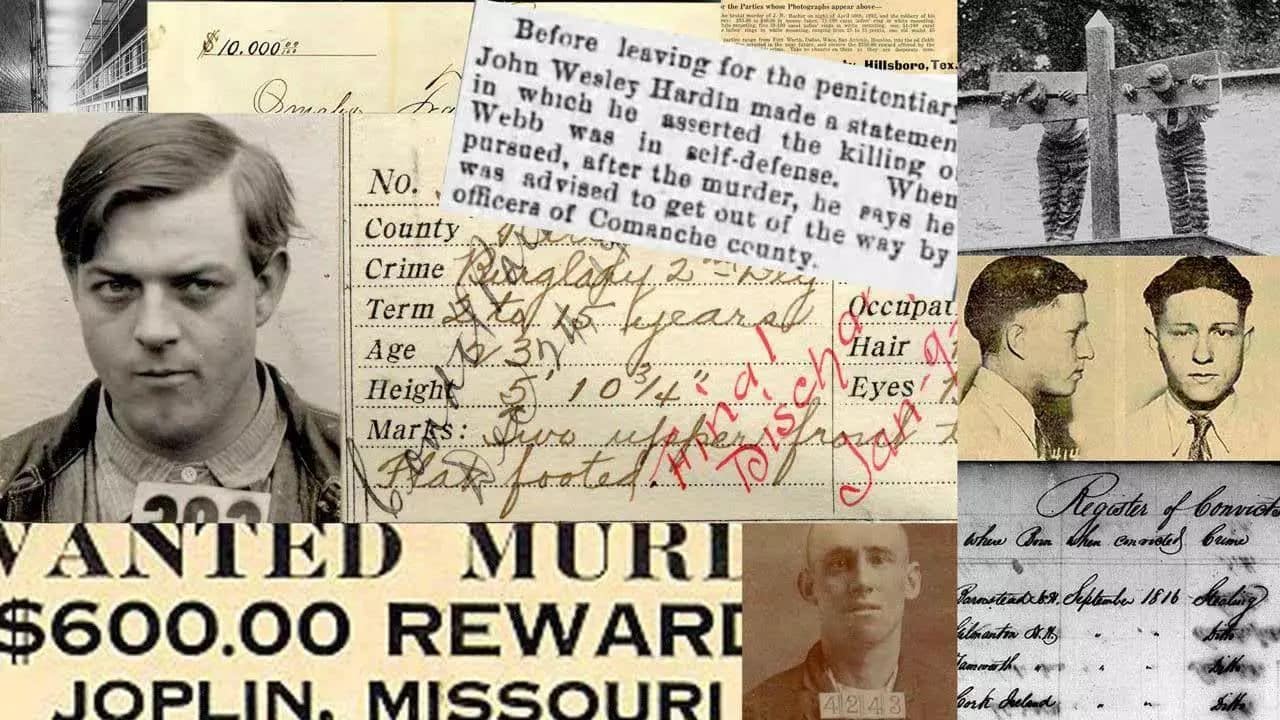
Doing Time – Prison Records as Genealogy Resources
The brickwalls of a family tree are no match for prison walls. From intake photo to receipts for cash and clothes when they were released, prisoners in jails and prisons were recorded and documented, often in stunning detail. Learn what records may exist – and where – about your family’s black sheep.
Fri, April 8 2022: 17:00 UTC
1:45:13
2.1K views
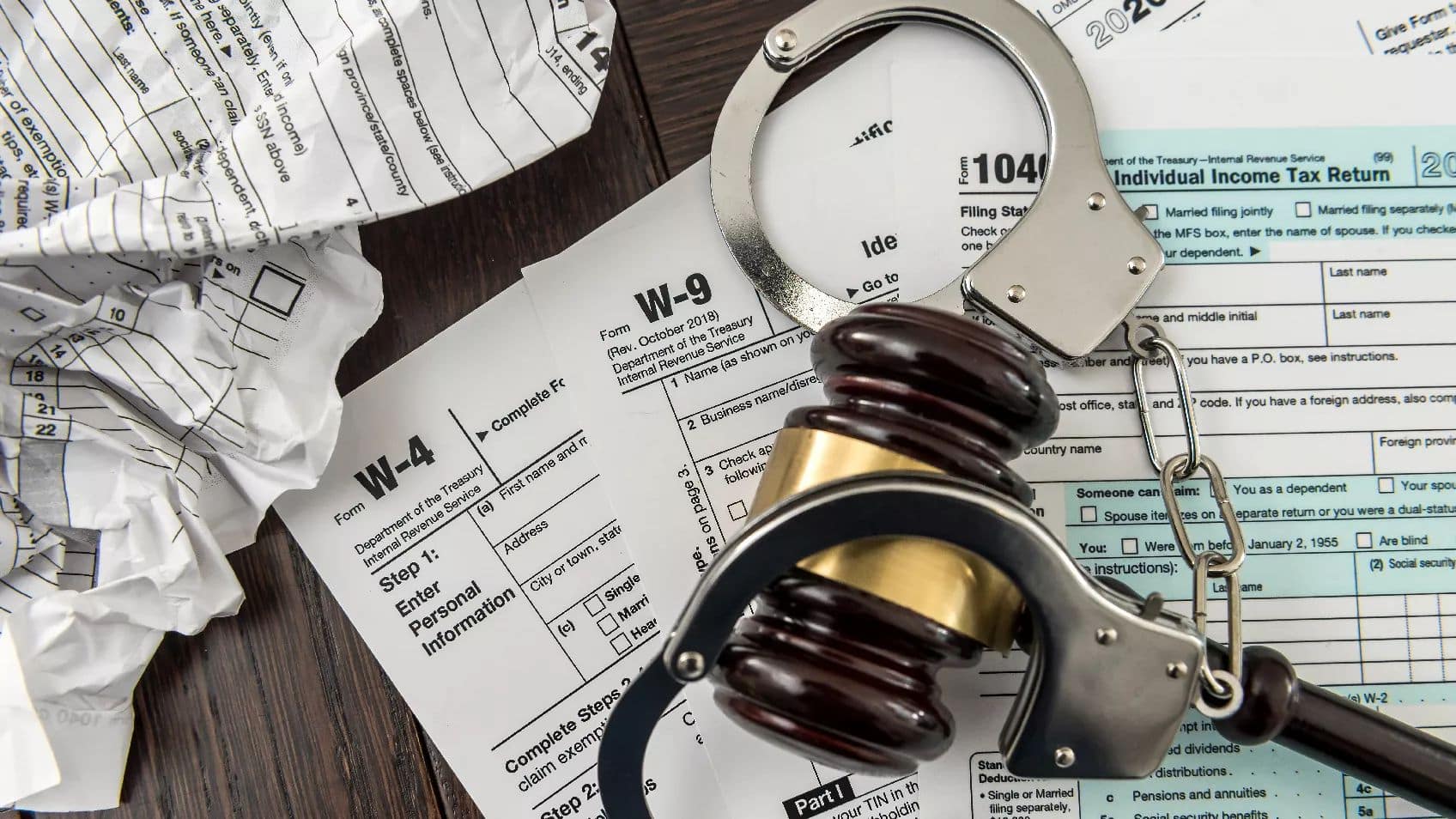
Researching Criminal Records
In this presentation, Ron demonstrates how to research black sheep ancestors, those relatives who might be difficult to research for any one of a number of different reasons. Ron talks about using ‘standard’ genealogical records (census, vital records, city directories, etc., but also talks about other specific records available only…
Fri, April 28 2017: 0:00 UTC

Upcoming Live Webinars

View all (169)
Foundations in AI for Family History 2 of 5: Prompt Power—Getting Better Answers from AI
Thu, January 22 2026: 1:00 UTC
Learn the principles, tools, and responsible practices for using AI in your genealogical research.
Thu, January 22 2026: 1:00 UTC
Wed, January 28 2026: 1:00 UTC
Sorting DNA Matches with MyHeritage’s Theory of Family Relativity
Wed, January 28 2026: 1:00 UTC
This webinar looks at 43 Theory of Relativity matches for my mother’s DNA on MyHeritage. With a detailed paper trail, Shauna is looking for some unexplained ethnicity that is in both MyHeritage and FamilyTree DNA. What is the explanation for her Welsh and Germanic ancestry passed down on her mother’s side? Join Shauna and see if she can solve the puzzle, or is that, dig up yet another family skeleton?
Wed, January 28 2026: 1:00 UTC
Wed, January 28 2026: 19:00 UTC
Make Easy Video Stories Your Family Will Cherish
Wed, January 28 2026: 19:00 UTC
Turn genealogical facts into captivating videos. This session will empower family historians who have only modest tech skills to create short, shareable videos that resonate with all ages. Using Animoto, Canva, iMovie, or Camtasia, learn to blend photos, music, and narration. The result will be magic! Discover how to digitize artifacts, and source public-domain images from places like the New York Public Library’s scanned books. Use AI transcription tools for. Attendees will leave excited to produce a 2–3-minute video story. No video editing skills are needed. This session will draw upon real examples created with the simplest of tools.
Wed, January 28 2026: 19:00 UTC
Foundations in AI for Family History 3 of 5: Using AI Responsibly: Principles and Ethics
Thu, January 29 2026: 1:00 UTC
Learn the principles, tools, and responsible practices for using AI in your genealogical research.
Thu, January 29 2026: 1:00 UTC
Wed, February 4 2026: 1:00 UTC
English Context – History, Sources and Repositories
Wed, February 4 2026: 1:00 UTC
An introductory overview on English History and its effect on sources and repositories. Understand where to look for records and how to access.
Wed, February 4 2026: 1:00 UTC
Wed, February 4 2026: 16:30 UTC
Advanced Census Research: Understanding Census Enumerators and Their Instructions
Wed, February 4 2026: 16:30 UTC
The census is one of our basic research tools, but basic doesn’t equal simple. Often a census record can raise as many questions as it answers, and some of those questions may seem unanswerable. Learn how an understanding of who the enumerators were, what their instructions prescribed, and some of the many ways they deviated from the instructions can answer many of the questions raised by census research.
Wed, February 4 2026: 16:30 UTC