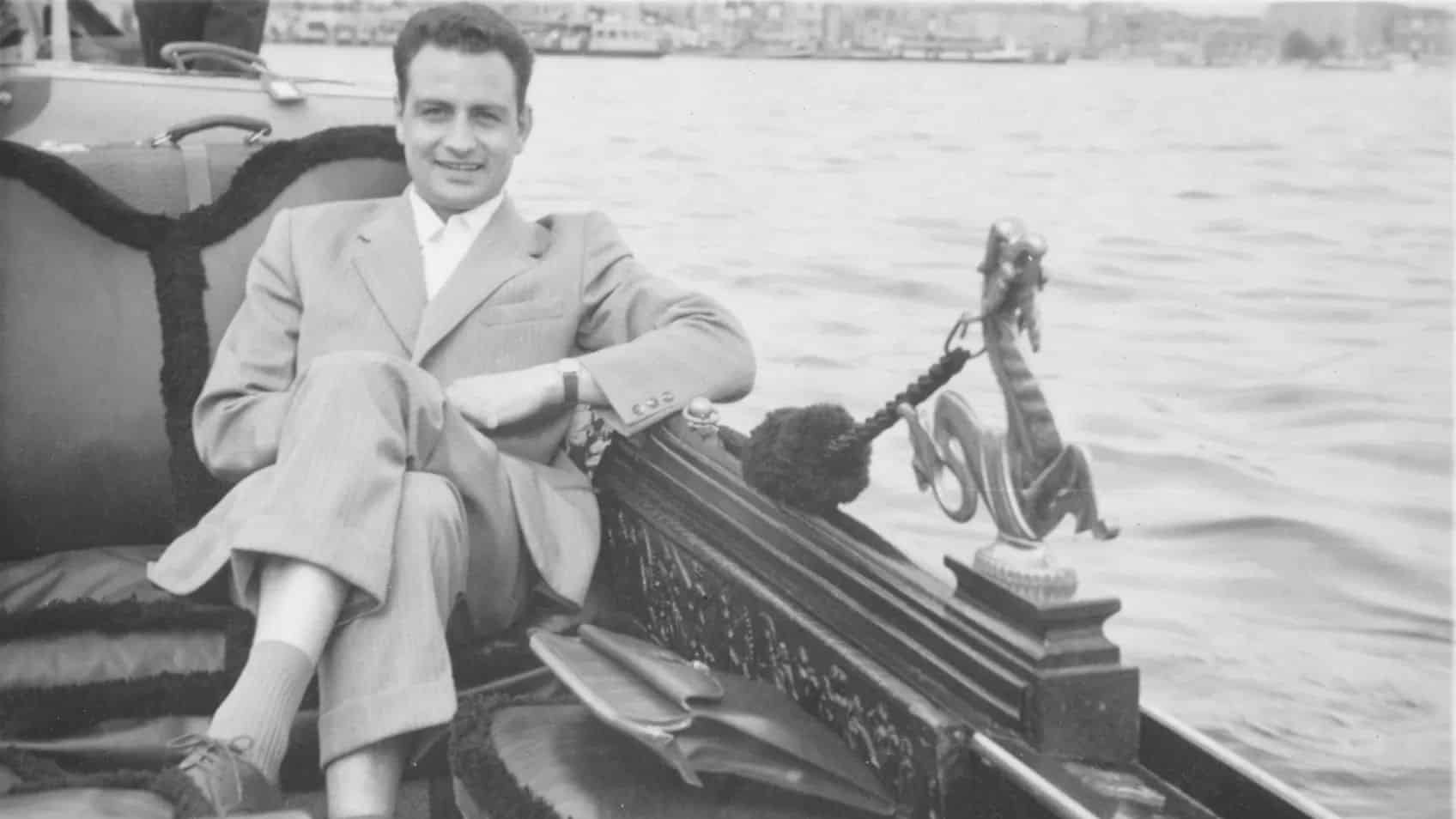
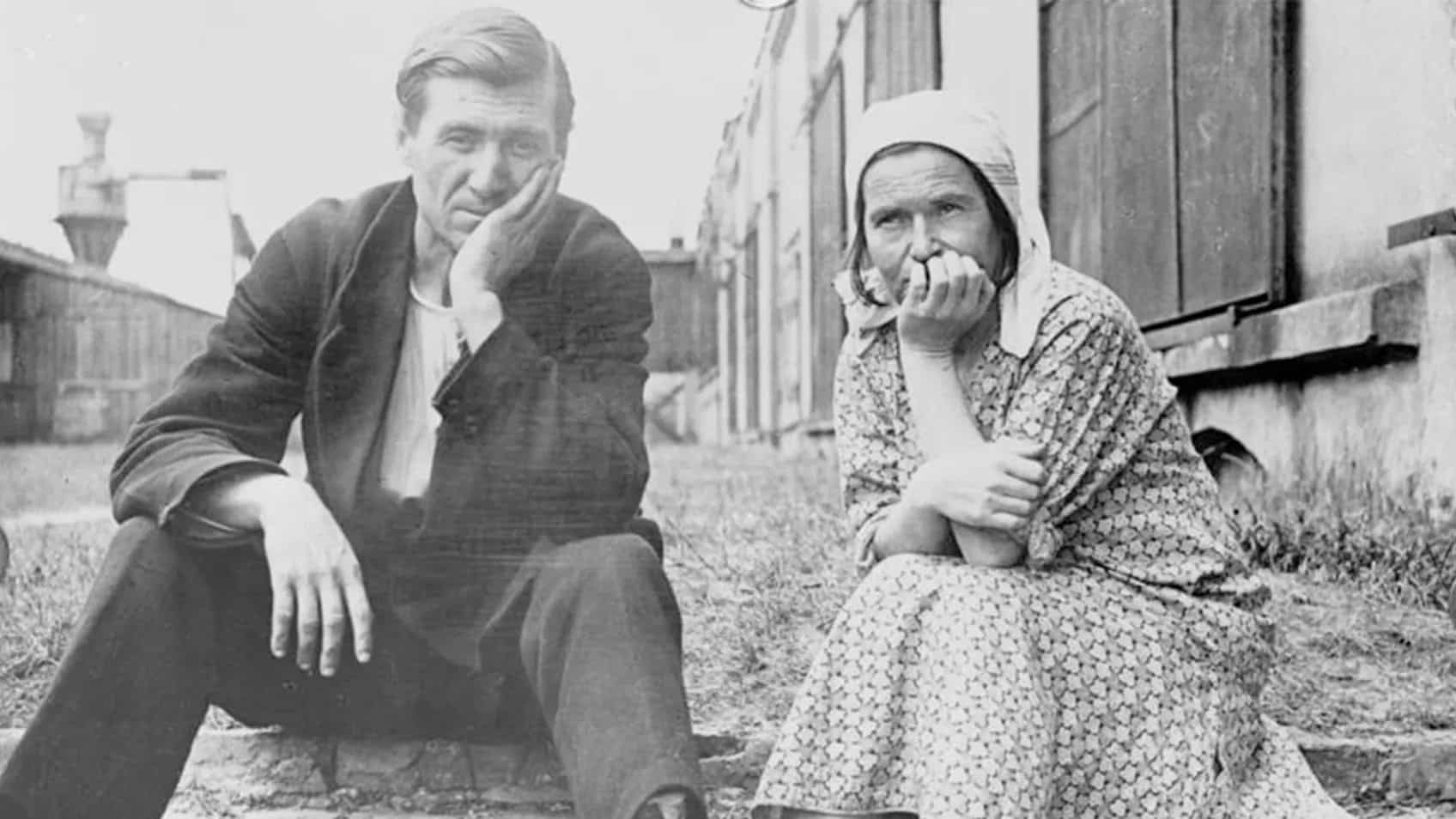
This video explains the types of records you may find for your ancestors in the Slavic world. Even Black Sea and Volga Germans will have records written in Cyrillic. I’ll talk about tools you can use to learn to decipher and read these records.
A broad overview of research in Europe – a continent spanning more than thirty countries which has been subjected to wars, political unrest and border changes. Europe is a Continent with different languages, cultures and religions, all of which play a part in family history research. This presentation looks at…
Germans from Russia (BONUS webinar for subscribers)
In 1762, Empress Catherine of Russia invited ethnic Germans to immigrate to Russia to develop the country's agriculture, allowing them to retain their language and culture. Thousands of Germans left their native land to settle in their own ethnic and religious groups. In the late 19th century some of Catherine's…
El poder del lugar: usar MyHeritage para contar las historias de edificios y lugares
Tue, February 3 2026: 14:00 UTC
Este taller guiará a los investigadores a través de una serie de pasos y paradas para descubrir la historia de edificios y lugares. Siga algunos casos prácticos y aprenda a encontrar excelentes registros en MyHeritage, los pasos a seguir y la interacción ideal entre fuentes primarias y secundarias. Además, aprenda consejos profesionales para escribir una narrativa convincente. Esta presentación inspirará a los asistentes con el poder que tienen los lugares de nuestros antepasados para acercarnos y fortalecer el sentido de comunidad.
Los subtítulos y la voz de este vídeo se han doblado al español utilizando IA.
Este taller guiará a los investigadores a través de una serie de pasos y paradas para descubrir la historia de edificios y lugares. Siga algunos casos prácticos y aprenda a encontrar excelentes registros en MyHeritage, los pasos a seguir y la interacción ideal entre fuentes primarias y secundarias. Además, aprenda consejos profesionales para escribir una narrativa convincente. Esta presentación inspirará a los asistentes con el poder que tienen los lugares de nuestros antepasados para acercarnos y fortalecer el sentido de comunidad.
Los subtítulos y la voz de este vídeo se han doblado al español utilizando IA.
Advanced Census Research: Understanding Census Enumerators and Their Instructions
Wed, February 4 2026: 16:30 UTC
The census is one of our basic research tools, but basic doesn’t equal simple. Often a census record can raise as many questions as it answers, and some of those questions may seem unanswerable. Learn how an understanding of who the enumerators were, what their instructions prescribed, and some of the many ways they deviated from the instructions can answer many of the questions raised by census research.
The Many Faces of the Census: Beyond the Population Schedule – Agricultural, Mortality, and Industry Records
Wed, February 4 2026: 17:45 UTC
Most researchers stop at the population schedule, but census records also include valuable schedules that document farms, businesses, deaths, and community life. This session explores agricultural, mortality, and industry schedules, showing how they can be used to add depth to family history.
Case Studies in Census Conflicts – Resolving Contradictions Across Decades
Wed, February 4 2026: 19:00 UTC
Census records often contradict one another. Ages change, names vary, and places of birth are inconsistent. This session demonstrates how to analyze and reconcile those conflicts through timelines, correlation with other records, and case studies that show how to draw conclusions from imperfect evidence.
Context in the Count: Interpreting the U.S. Census With a Historical Perspective
Wed, February 4 2026: 20:30 UTC
The U.S. federal census wasn’t designed with genealogists in mind; it was created to meet the changing needs of a growing nation. This session takes you beyond the names and numbers, exploring the historical context behind each census from 1790 to 1950. We’ll examine how shifting questions, enumeration methods, and national priorities have shaped the records we rely on today. By understanding the “why” behind the census, you’ll gain tools to interpret your ancestors’ entries with greater accuracy and uncover richer stories hidden in the data.
By registering, you are submitting your information to Legacy Family Tree Webinars and agreeing to let us use it to contact you.
Thank you for registering!
You should receive a confirmation email with a link to the webinar soon.
You’ll also receive a reminder both the day before and one hour before the webinar begins. Didn’t receive a confirmation email?
You successfully registered for %s.
You should receive a confirmation email with a link to the webinar soon.
You’ll also receive a reminder both the day before and one hour before the webinar begins. Didn’t receive a confirmation email?