Watch webinars that focus on specific record categories including adoption, vital records, cemetery records, census records, city directories, immigration records, newspapers and more for locations around the world.
WWII internment of Japanese immigrant “enemy aliens” in the San Francisco Bay Area
Wed, June 24 2026: 18:00 UTC
Before World War II, the FBI had dossiers on many German, Italian, and Japanese immigrants. Immediately after Pearl Harbor, thousands of them were arrested and sent to “temporary detention centers” and internment camps throughout the country. Learn about these men and women, focusing on the Japanese immigrants held at Sharp Park and Angel Island in the Bay Area. Newly digitized documents available online create new opportunities to learn about their stories.
Context in the Count: Interpreting the U.S. Census With a Historical Perspective
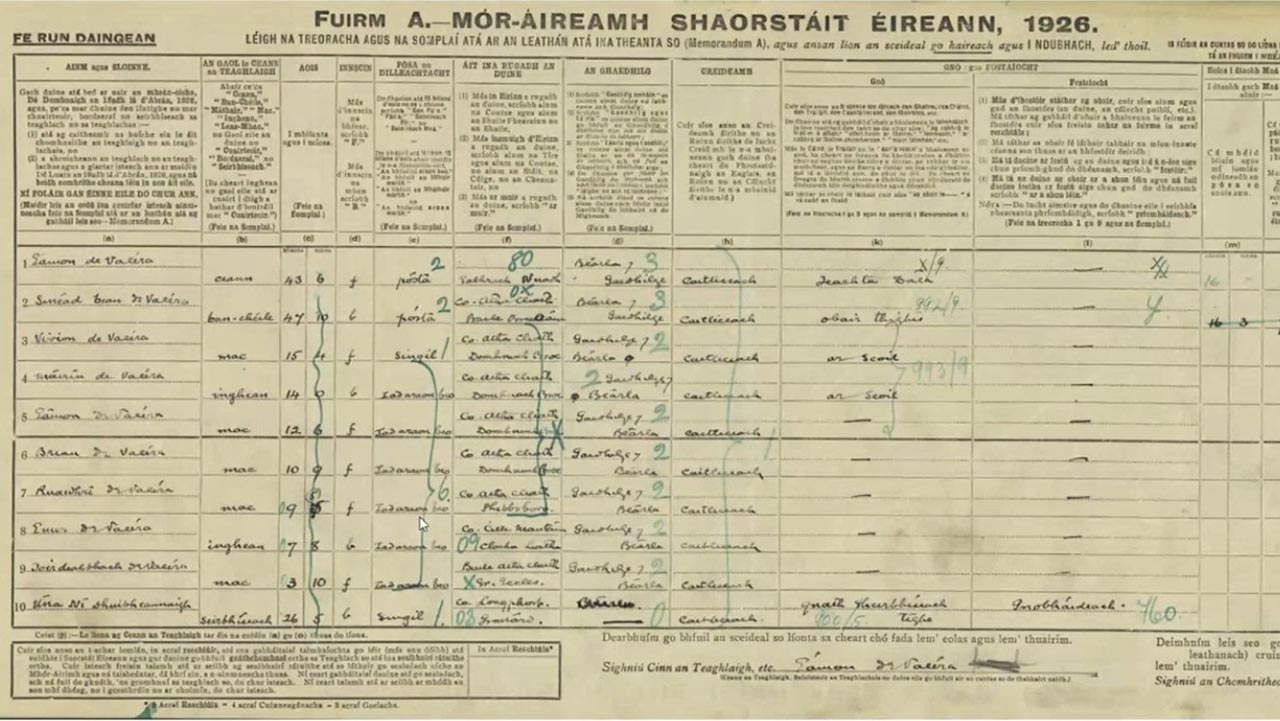
The U.S. federal census wasn’t designed with genealogists in mind; it was created to meet the changing needs of a growing nation. This session takes you beyond the names and numbers, exploring the historical context behind each census from 1790 to 1950. We’ll examine how shifting questions, enumeration methods, and national priorities have shaped the records we rely on today. By understanding the “why” behind the census, you’ll gain tools to interpret your ancestors’ entries with greater accuracy and uncover richer stories hidden in the data.
Case Studies in Census Conflicts – Resolving Contradictions Across Decades
Census records often contradict one another. Ages change, names vary, and places of birth are inconsistent. This session demonstrates how to analyze and reconcile those conflicts through timelines, correlation with other records, and case studies that show how to draw conclusions from imperfect evidence.
The Many Faces of the Census: Beyond the Population Schedule – Agricultural, Mortality, and Industry Records
Most researchers stop at the population schedule, but census records also include valuable schedules that document farms, businesses, deaths, and community life. This session explores agricultural, mortality, and industry schedules, showing how they can be used to add depth to family history.
Advanced Census Research: Understanding Census Enumerators and Their Instructions
The census is one of our basic research tools, but basic doesn’t equal simple. Often a census record can raise as many questions as it answers, and some of those questions may seem unanswerable. Learn how an understanding of who the enumerators were, what their instructions prescribed, and some of the many ways they deviated from the instructions can answer many of the questions raised by census research.
Where They Once Stood: Finding Your Immigrant Ancestor’s Place of Origin
Often family researchers know only the country from which their ancestor emigrated. This presentation offers examples of American records that can answer the question, “But, exactly where were they from?” Finding an ancestor’s specific place of origin in the old country can open doors to foreign records that can add generations to your family tree, and bring greater appreciation of your heritage. You may even be able to stand where they once stood.
City directories are an integral tool in genealogical resources in locating individuals and businesses at specific time periods, and gleaning other details that may point you to other evidence. They can help you determine the date of arrival or departure, residence, occupation, and more. They are great substitutes for census records and for the in-between years. Introduction to City Directories tells you what you can find, places you can find them, and how to obtain the most information from them. You’ll also see images of many types of city directory pages so that you will know what they can tell you.
This webinar was first released on the Genealogy Guys Learn website.
City directories are an integral tool in genealogical resources in locating individuals and businesses at specific time periods, and gleaning other details that may point you to other evidence. They can help you determine the date of arrival or departure, residence, occupation, and more. They are great substitutes for census records and for the in-between years. Introduction to City Directories tells you what you can find, places you can find them, and how to obtain the most information from them. You’ll also see images of many types of city directory pages so that you will know what they can tell you.
This webinar was first released on the Genealogy Guys Learn website.
This database of the Commonwealth War Graves Commission (CWGC) contains WWI and WWII military burials world-wide. Not all burials in CWGC cemeteries are military. Burials include civilians, diplomats, medical personnel, and volunteer aid workers, including women. Most CWGC cemeteries have burials of the unknown as well as Monuments listing the Missing. Some military burials in civilian cemeteries are in this database. Photos of headstones and lists of missing in several CWGC cemeteries in Italy are included. Advises on best utilization of CWGC search engines with different approaches. Information on identification of unknown burials, research possibilities, and CWGC outreach programs are available on the website.
Spirit of St. Louis: Military & Civilian Records at the National Personnel Records Center
The National Records Personnel Center in St. Louis has many records pertinent to your soldier’s service. OMPFs, Official Military Personnel Files, monthly regimental rolls, hospital records, military court-martials and graves registration service files all offer clues into your veteran’s military experience. NPRC also houses civilian and government employment files as well. Was your grandfather in the Civilian Conservation Corps? Was your mother Postmaster? These records are available as well! Tina will describe the types of information to be found in these records and how you can access them in person.
Using Homestead Records to Tell Your Ancestor’s Story
Imagine uncovering the stories hidden in your ancestors’ land entry papers from the Homestead Act of 1862 and later homestead laws. The material in these files will add richness to your family history. Join us as we discover potential homesteading ancestors, explore the journey of making a claim, understand the different homestead laws, and learn to access these records. Each document holds clues waiting to unfold the story of your family’s past.
By registering, you are submitting your information to Legacy Family Tree Webinars and agreeing to let us use it to contact you.
Thank you for registering!
You should receive a confirmation email with a link to the webinar soon.
You’ll also receive a reminder both the day before and one hour before the webinar begins. Didn’t receive a confirmation email?
You successfully registered for %s.
You should receive a confirmation email with a link to the webinar soon.
You’ll also receive a reminder both the day before and one hour before the webinar begins. Didn’t receive a confirmation email?