Got Old Negatives? Scan Them With Your Phone and These 5 (Mostly) Free Apps!
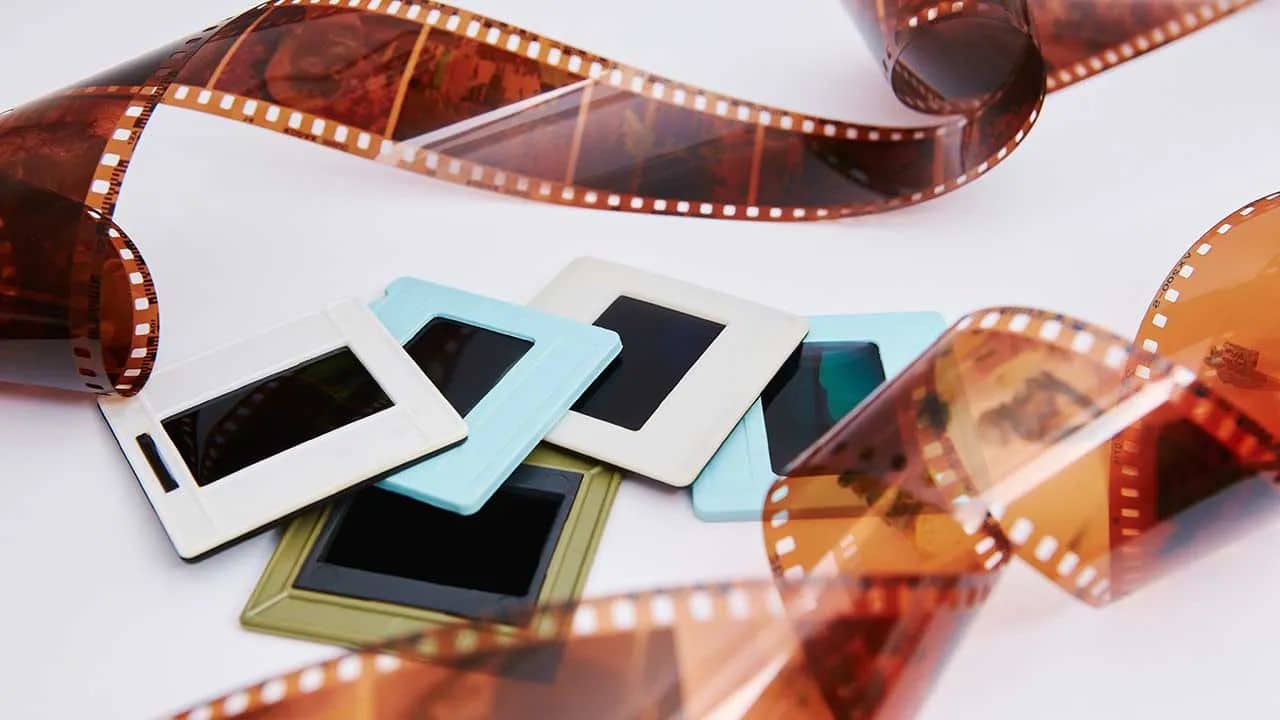
Are your old film negatives wasting away in a box in the closet? Let’s bring them to life so you can enjoy them! These days, it’s quick, easy, and inexpensive to scan film negatives with your smartphone. Find out how with these five apps and a few household items!
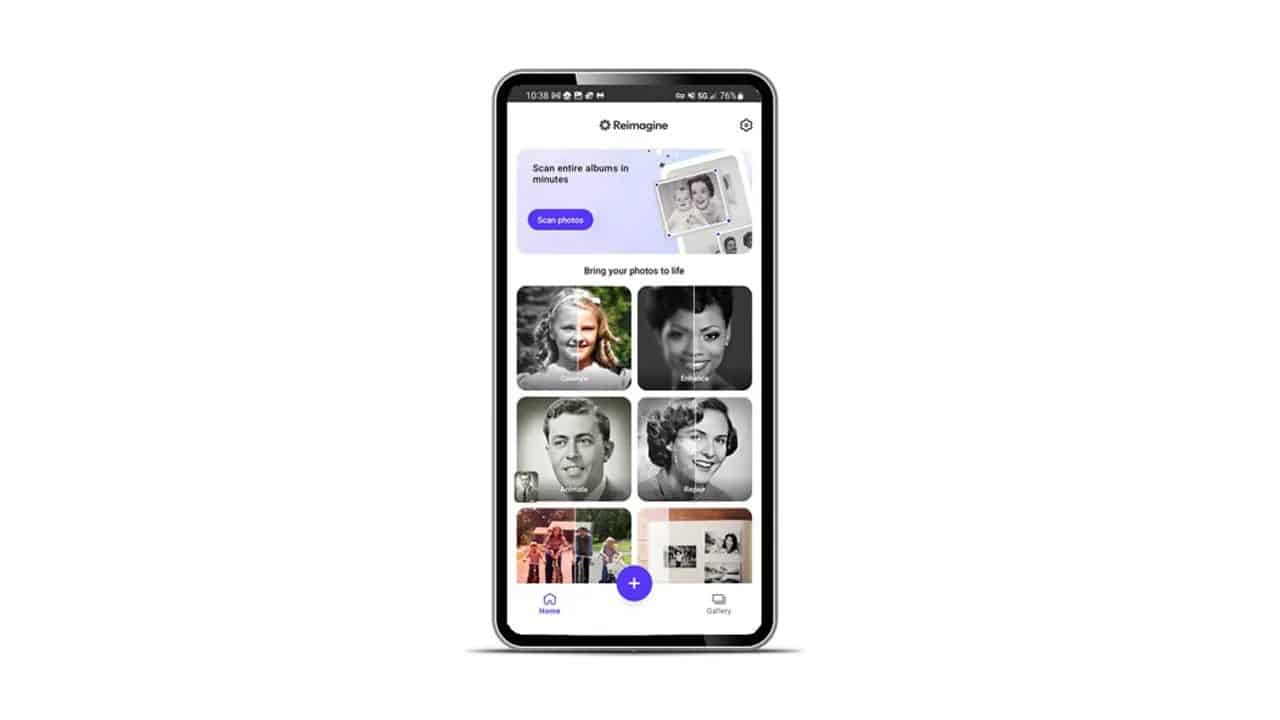
An Introduction to Reimagine, the New Photo App from MyHeritage
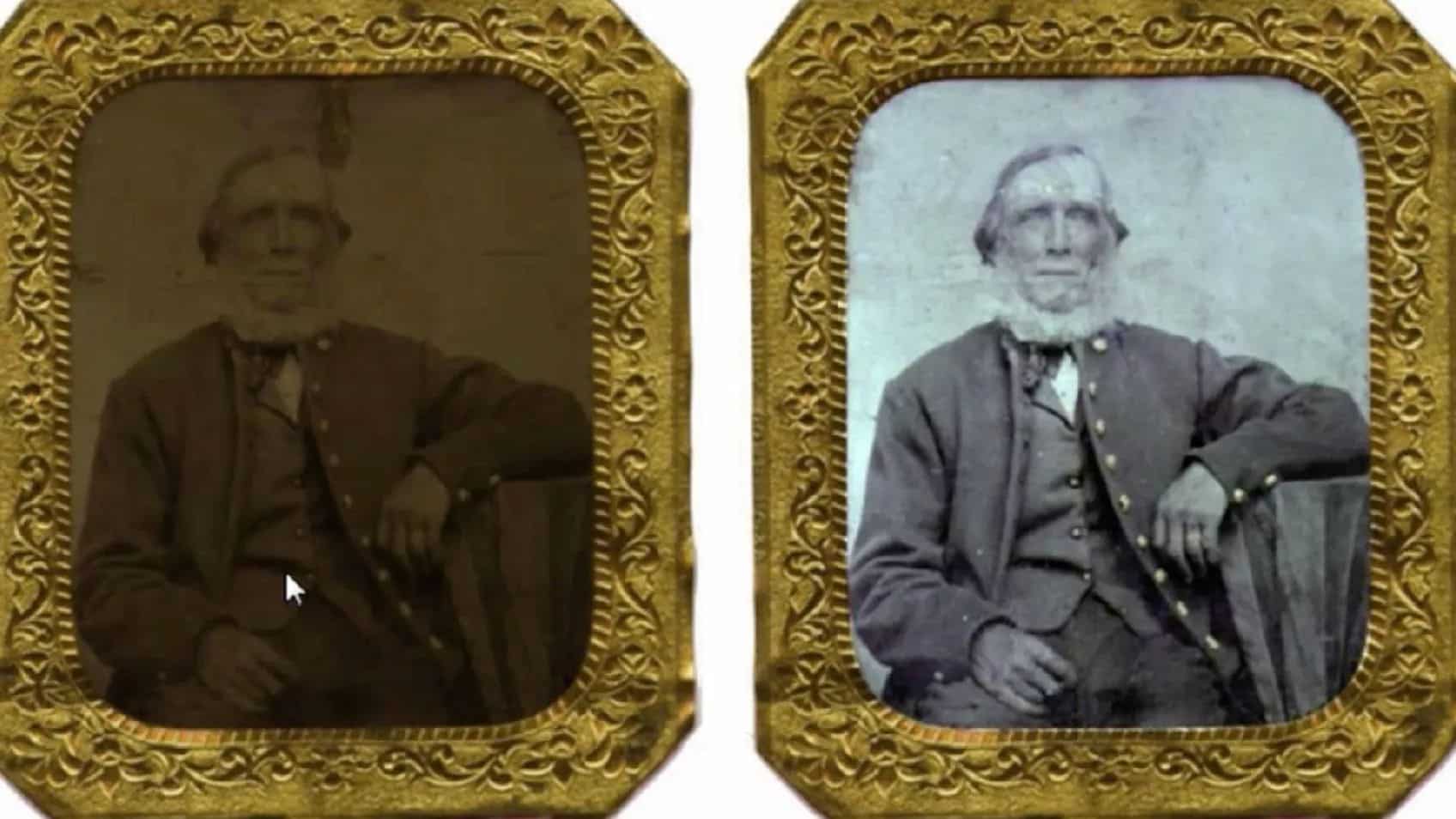
Discover Reimagine, the new app from MyHeritage that allows you to scan photo albums in minutes and colorize, enhance, repair, animate, and share your favorite family photos. Enjoy a walkthrough of the app and all its features from Ran Snir, Director of Product Management for MyHeritage.
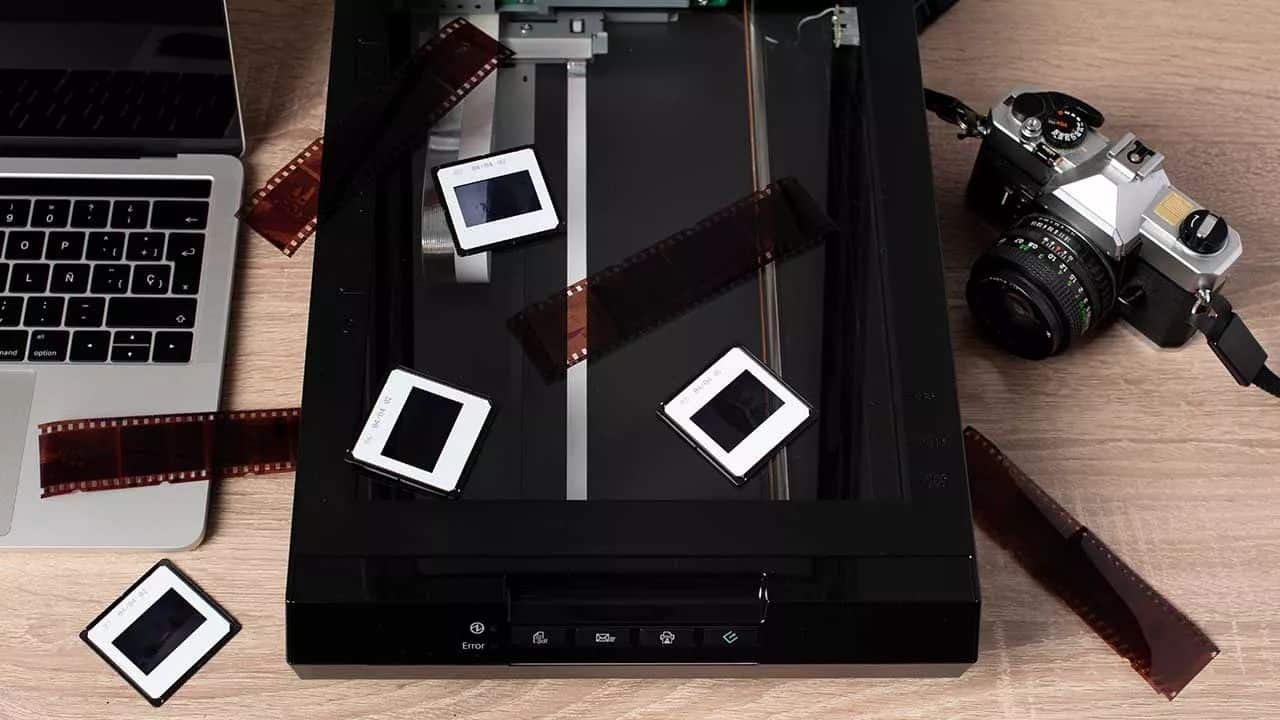
Make every scan the best image possible with these master tips from a family archivist. Learn when to use a flatbed scanner and how to set it up to digitize film and slides. Discover how to push the possibilities of your all-in-one printer-scanner-copier. And, add skillful smartphone scanning to your bag of tricks.
How to Scan an Elephant: Digitizing Awkward Artifacts from Artifact to Zombie
Go beyond the flatbed scanner to digitize awkward artifacts and oversize items. Discover apps, accessories, and expert tips to get better results from traditional scanners, digital cameras, and mobile devices.
Learn how to choose a scanner with the right features. The webinar includes techniques for scanning various types of originals, such as prints, negatives and oversized originals.
Learn how to scan, restore and print a photo like the pros from beginning to end in four basic steps. Audience members are encouraged to send photos from which Eric will choose one to use during this demonstration. Includes scanning and restoration.
Simple strategies to break the paper habit, file less paper, and organize what you keep. Learn the best scanner for your needs, basic scanner settings for genealogists, file-naming for easy retrieval, and baby steps to help you move toward managing less paper.
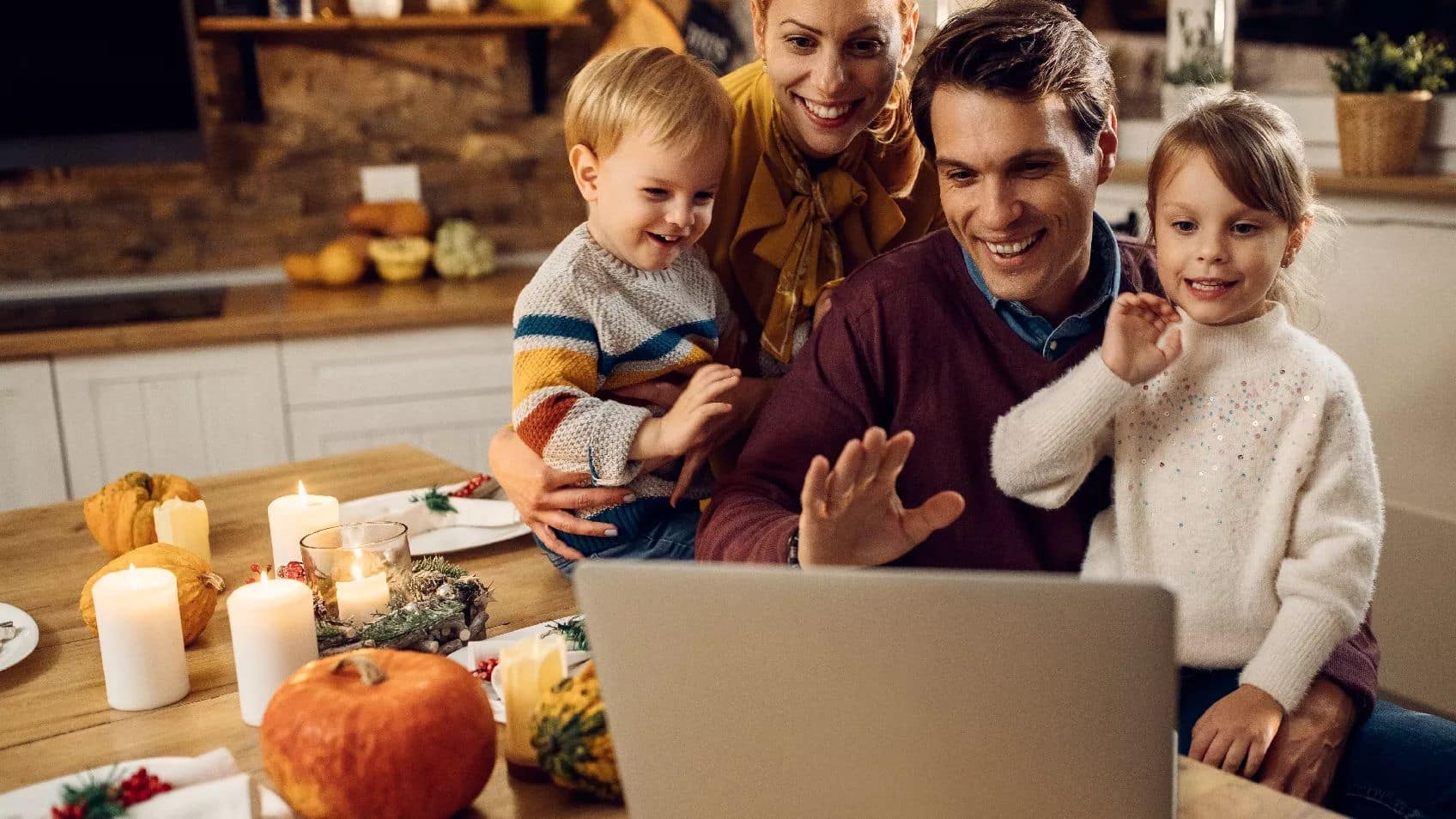
Home for the Holidays – Tips for Collecting Family History
Get the family photos out of shoe boxes or from the back of the closet…it is a perfect time for grandparents to get the next generation involved. Start your children or grandchildren on a lifelong journey by telling your story and introducing them to family history. And don't forget you…
Digital Images for Genealogists and Technologists: Scanning, Organizing, Editing, and Sharing Your Digital Images
Learn how to correctly digitize your documents and photos, which resolution (dpi) to choose, which file types are the best (.jpg, .tif, etc.), and how to fix, repair, or enhance your digital image collections. Also learn how to organize your digital collections. Geoff has presented two previous webinars earlier this…
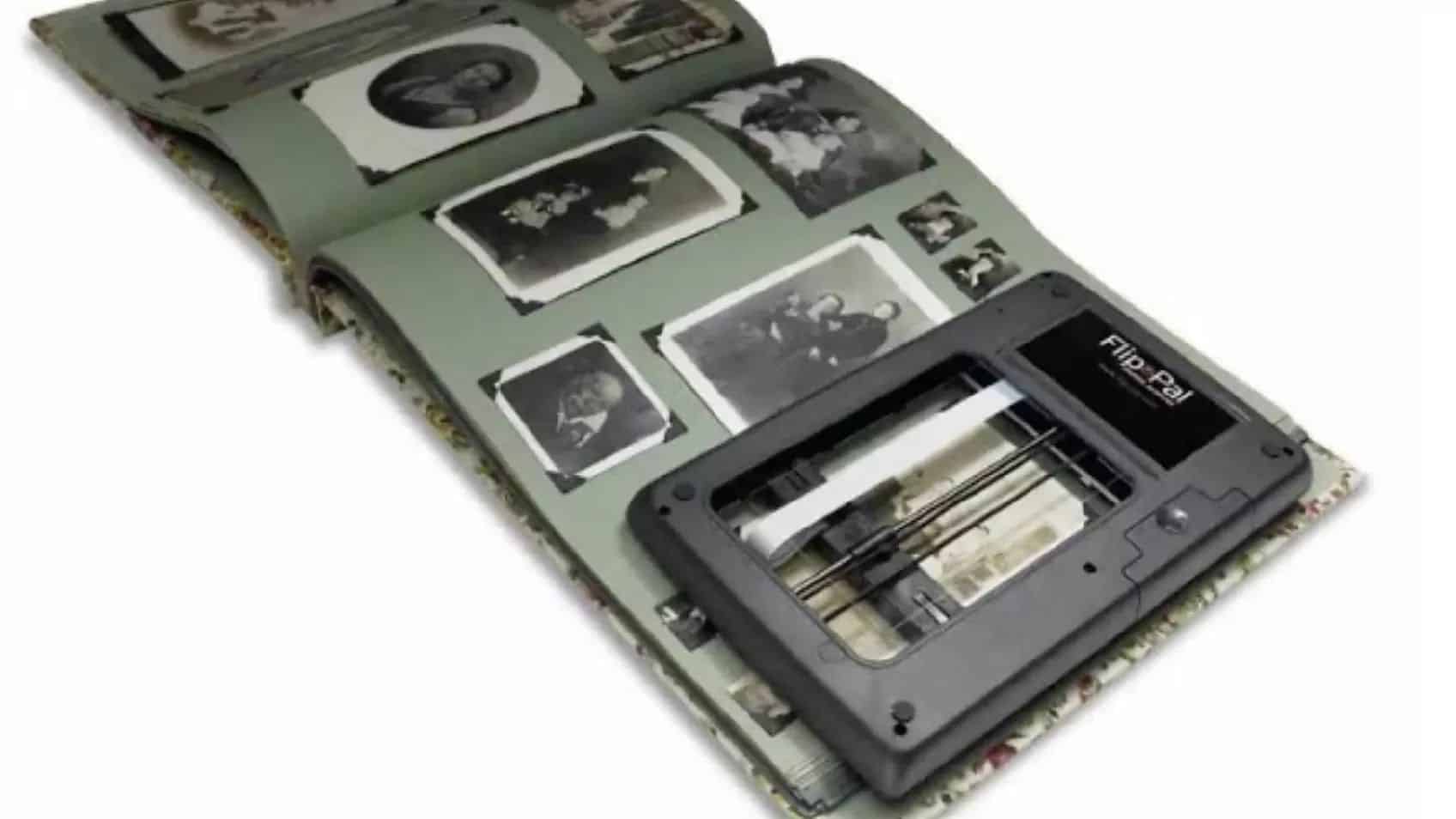
Tips for Taking the Flip-Pal Mobile Scanner to Your Family Gatherings
This webinar will quickly outline the basics of the Flip-Pal mobile scanner and then draw on personal stories and testimonials of how others have used their Flip-Pal mobile scanner for family trip scrapbooks, wedding anniversaries, military reunions, family reunions, genealogy trips, weddings, funerals, showers and more. We will give tips…
Genealogy Meets the Internet Archive and AI: A Comprehensive Review
Learn to harness the Internet Archive’s free digital library—a treasure trove of digitized family histories, city directories, census and church records—to enrich your genealogy research. Learn how to build complex prompts to build an index of surnames on a 400 page genealogy book from 1898. Learn how to extract a list of migration routes from the same book, organized by surname, then in generation order, and placed in an Excel file. With the help of AI, you can get the most out of Internet Archive.
AI as Partner, Not Replacement: Human-Led Research Planning in the Sally Keaton Case
This lecture explores how modern AI tools can assist genealogical research planning through the case of Sally Keaton, where the objective was to identify her children using limited historical records and DNA evidence. The presentation demonstrates how to structure effective research plans with AI assistance, covering essential elements including clear objectives, summaries of known facts, working hypotheses, identified sources, and prioritized strategies. Using Sally Keaton’s case as the central example, the lecture showcases practical AI tools, such as side-by-side editors: Canvas (ChatGPT and Gemini) and Artifacts (Claude); also advanced capabilities including reasoning models and organizational tools like ChatGPT’s Projects, Claude’s Projects, Perplexity’s Spaces, and Gemini Gems. While AI can create research plans on its own, human-AI collaboration produces better results. When researchers guide and refine AI-generated strategies instead of using fully automated planning, they achieve more accurate results.
Tracing an Ancestor’s Journey with ChatGPT: Unraveling Family History with AI
Explore how AI technology, exemplified by ChatGPT, can revolutionize your family history, by embarking on a journey through an ancestor’s life, leveraging AI to uncover his story and shed light on the broader implications for genealogical research!
From Problem to Solution: A Case Study Approach to Using AI in Genealogy
Artificial intelligence is changing the way genealogists work—but how do you move beyond tips and tricks to apply AI in a sound, methodical way? In this session, Andrew Redfern demonstrates how a case study approach provides the answer. Using real examples, he walks through the stages of tackling a genealogical problem with AI, showing how tools can assist with transcription, analysis, correlation of evidence, and presentation of findings. Rather than treating AI as a shortcut, Andrew highlights how to integrate it into the established genealogical research cycle—problem definition, source gathering, analysis, and conclusion. Attendees will see how AI can clarify complex evidence, save time on repetitive tasks, and support storytelling, while still requiring human expertise and critical thinking. By the end of the session, participants will have a practical framework they can adapt to their own research problems, ensuring that AI becomes a trusted partner in genealogical methodology.
La fotografía de un desconocido: ¿punto de partida para una genealogía?
Tue, January 13 2026: 14:00 UTC
En la actualidad, cuando casi cualquier cosa pasa por la IA, el descubrimiento de una fotografía hecha a finales del siglo XIX o principios del siglo XX, no solo nos traslada a otro momento de la historia en el que el contexto era totalmente diferente, sino que nos abre las posibilidades de estudio de una persona y de una familia. Pero, además, ¿qué nos aporta una fotografía de un desconocido? ¿cuánto podemos averiguar de él y de su entorno? Una fotografía es un documento de memoria colectiva y, como tal, aporta una fuente de información sobre estructura familiar, estilo de vida y valores sociales de la época.
Using MyHeritage in Your Genealogical DNA Testing Plan
Tue, January 13 2026: 19:00 UTC
We often need other family members to take a DNA test for us to help us solve our genealogical problems. We’ll discuss ways MyHeritage can help us find, test, and collaborate with our DNA cousins.
By registering, you are submitting your information to Legacy Family Tree Webinars and agreeing to let us use it to contact you.
Thank you for registering!
You should receive a confirmation email with a link to the webinar soon.
You’ll also receive a reminder both the day before and one hour before the webinar begins. Didn’t receive a confirmation email?
You successfully registered for %s.
You should receive a confirmation email with a link to the webinar soon.
You’ll also receive a reminder both the day before and one hour before the webinar begins. Didn’t receive a confirmation email?