
¿Cómo se deletrea tu Apellido? Historia y Particularidades de los Apellidos Españoles
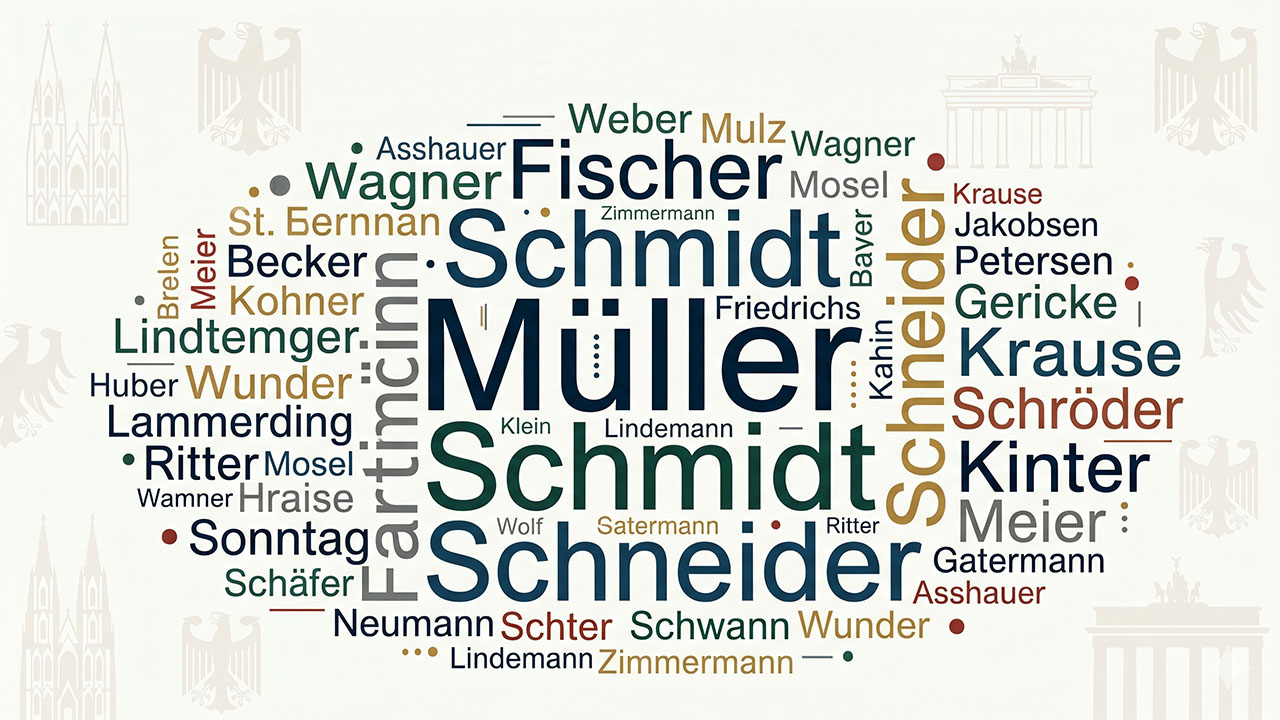
Exploraremos la fascinante historia y las particularidades del sistema de apellidos en España y otros países hispanoparlantes. Descubriremos cómo la influencia visigoda, la adopción del sistema de doble apellido y las variaciones regionales han moldeado la identidad familiar a lo largo de los siglos. Aprenderemos a interpretar y comprender la información contenida en los apellidos, desentrañando su significado histórico y geográfico.
English DNA Matches: Tools for quickly building modern trees
Many English DNA matches have rudimentary online trees. Learn about online resources for quickly and inexpensively extending the trees to find possible connections. Many North Americans have limited or no understanding of twentieth century online records that can be used to extend rudimentary or no online trees for their English DNA matches. There is a big need to be able to get the trees far enough back in time to possibly find the nearest common ancestors. This presentation will look at the different record groups explaining, with examples, how to use the different records together, and the time periods for which they are appropriate. Records discussed with illustrations and limitations include: – Civil Registration – Probate – Cemeteries / Crematoriums – Newspapers – Funeral notices – Voter registrations – Telephone directories – More
Construisez, enrichissez et partagez votre arbre sur Filae.com
Créer et importer des arbres sur Filae est gratuit. Ce webinaire vous montre comment enrichir votre généalogie en ajoutant individus, événements, notes et documents. Nous explorerons aussi les fonctionnalités comme la détection d’incohérences pour une généalogie fiable, les suggestions d’archives pour enrichir votre arbre de documents originaux, le suivi des recherches pour guider votre enquête, sans oublier les invitations pour partager le fruit de vos recherches avec vos proches.
University Archives in México: Manuscripts, Photos, and Theses, Oh my!
With original records and bibliographic resources, university archives are genealogical treasures. This presentation will include an introduction to common resources available at universities in Mexico, including original manuscripts, newspapers, historic photos, dissertations, etc., with examples from Universidad Autónoma de México, Colegio de Sonora, Universidad de Guadalajara, and many more.
Situated on the east coast of England, Norfolk is its fifth largest county and contains over 700 ancient parishes. Historically, it was a largely agricultural region, with some manufacturing in the county town of Norwich and significant seaports at King’s Lynn and Great Yarmouth. The resources available for tracing ancestors who lived in Norfolk are vast and varied. While many of the most useful records (such as parish registers) are available online, there remains a wealth of material that can only be accessed at the archives in Norwich and King’s Lynn. In this webinar, the lives of Norfolk ancestors will be placed in context and the sources of use to genealogists will be explained. The session will cover probate records, borough records, quarter sessions records, estate papers, maritime records, newspapers and other relevant resources. Some difficulties that can be encountered when investigating Norfolk ancestors will also be discussed, as well as methods of overcoming such challenges. Additionally, the printed and online publications of relevance to Norfolk research will be considered in detail.
Débloquer les archives françaises : guide sur l’organisation des archives et ce que vous pouvez trouver sur MyHeritage
Dans ce cours, vous découvrirez comment les archives françaises sont organisées et quels types de documents vous pouvez trouver lorsque vous recherchez vos ancêtres en France. Nous vous guiderons à travers la géographie des archives et les différentes catégories d’archives, des registres d’état civil et paroissiaux aux documents militaires et notariaux. Vous apprendrez également quelles sont les ressources inestimables …
Unlocking French Archives: a guide on how archives are organized and what you may find on MyHeritage
In this class, you’ll discover how French archives are organized and what types of records you can find when tracing your ancestry in France. We’ll walk you through the geography of archives and through various categories of archives, from civil registers and parish records to military and notarial documents. You’ll also learn which of these invaluable resources are available on MyHeritage, making it easier to uncover your French heritage. If you are starting discovering your French roots, this video will provide essential insights into navigating French archives efficiently and effectively.
Claves para localizar a nuestro primer antepasado de España
Si es difícil investigar en un país distinto al propio, puede resultar aún más complicado cuando disponemos de muy poca información. Dudas en el nombre y los apellidos, en la región y localidad de origen… datos que pueden haber sufrido mutaciones en el tiempo. A ello se suma una estructura de archivos propios de un país que modificado su estructura administrativa. Veamos unos consejos esenciales sobre cómo podemos iniciar nuestros primeros pasos. Filtrando posibles errores iniciales, conociendo la organización histórica de los territorios de España y cómo saber si se conservan los archivos esenciales. Localizar al primer antepasado nacido en España será un gran logro en nuestra genealogía.
Find the Right Historical Jurisdiction in Denmark Using the Website DigDag
DigDag is a digital atlas of Denmark’s jurisdictions since the 1600s. The atlas covers many types of jurisdictions and authorities, including parishes, medical districts, courts, and military jurisdictions. Learn how to use it to assist you in your Danish family history research.
Discovering exactly where your Irish ancestors hailed from can be a tricky exercise, especially with the lack of 19th century census returns. However, there is an abundance of other records that can help in your research, and this talk focuses on Griffith’s Valuation and the subsequent Revision (or Cancelled) books – what they are, what they can tell us, and where you can access them. Case studies are used to highlight a range of sources that can help you identify your family in these records, and discover the place where your ancestors left their footprints in Ireland.
Explorer vos racines au Luxembourg : archives locales et ressources MyHeritage
Rejoignez-nous pour un webinaire présenté par Liliane Hierro, généalogiste professionnelle familiale et successorale. Vous découvrirez les richesses des archives du Grand-Duché du Luxembourg, ainsi que les ressources disponibles en ligne, notamment sur MyHeritage, pour approfondir vos recherches. Liliane partagera ses conseils pratiques, ses méthodes et son expérience du terrain pour exploiter au mieux les sources locales et numériques. Que vous soyez débutant ou chercheur confirmé, ce webinaire vous donnera des clés essentielles pour progresser dans votre généalogie luxembourgeoise.
Alcina Furkey’s birth name and her parents’ identities were unknown in 19C Vermont. Alcina had many forenames: Alcenia, Arsena, Christina, Elcena, Elena, Jane, Josephine, Julia, Lucy, and Reusta, and Rosanna. But none of them was her baptismal name. Reconstructing her birth family, together with a connection found in deeds and the clues in Catholic records, led to her real identity.
Learn how to use artificial intelligence to help find important family information, understand old documents, and craft compelling family stories to support your family history research. This webinar will introduce you to the best uses of AI in genealogy today and give a peek behind the curtain of what genealogists can look forward to from AI advancements in 2026.
La fotografía de un desconocido: ¿punto de partida para una genealogía?
Tue, January 13 2026: 14:00 UTC
En la actualidad, cuando casi cualquier cosa pasa por la IA, el descubrimiento de una fotografía hecha a finales del siglo XIX o principios del siglo XX, no solo nos traslada a otro momento de la historia en el que el contexto era totalmente diferente, sino que nos abre las posibilidades de estudio de una persona y de una familia. Pero, además, ¿qué nos aporta una fotografía de un desconocido? ¿cuánto podemos averiguar de él y de su entorno? Una fotografía es un documento de memoria colectiva y, como tal, aporta una fuente de información sobre estructura familiar, estilo de vida y valores sociales de la época.
By registering, you are submitting your information to Legacy Family Tree Webinars and agreeing to let us use it to contact you.
Thank you for registering!
You should receive a confirmation email with a link to the webinar soon.
You’ll also receive a reminder both the day before and one hour before the webinar begins. Didn’t receive a confirmation email?
You successfully registered for %s.
You should receive a confirmation email with a link to the webinar soon.
You’ll also receive a reminder both the day before and one hour before the webinar begins. Didn’t receive a confirmation email?