Filters
0 webinars selected
Select all
Cancel
3
of
2,633 Webinars Clear filters
Sort by
Sort by
48:58
1.6K views
Kansas Settlers – Pioneers Settling Prior to 1900
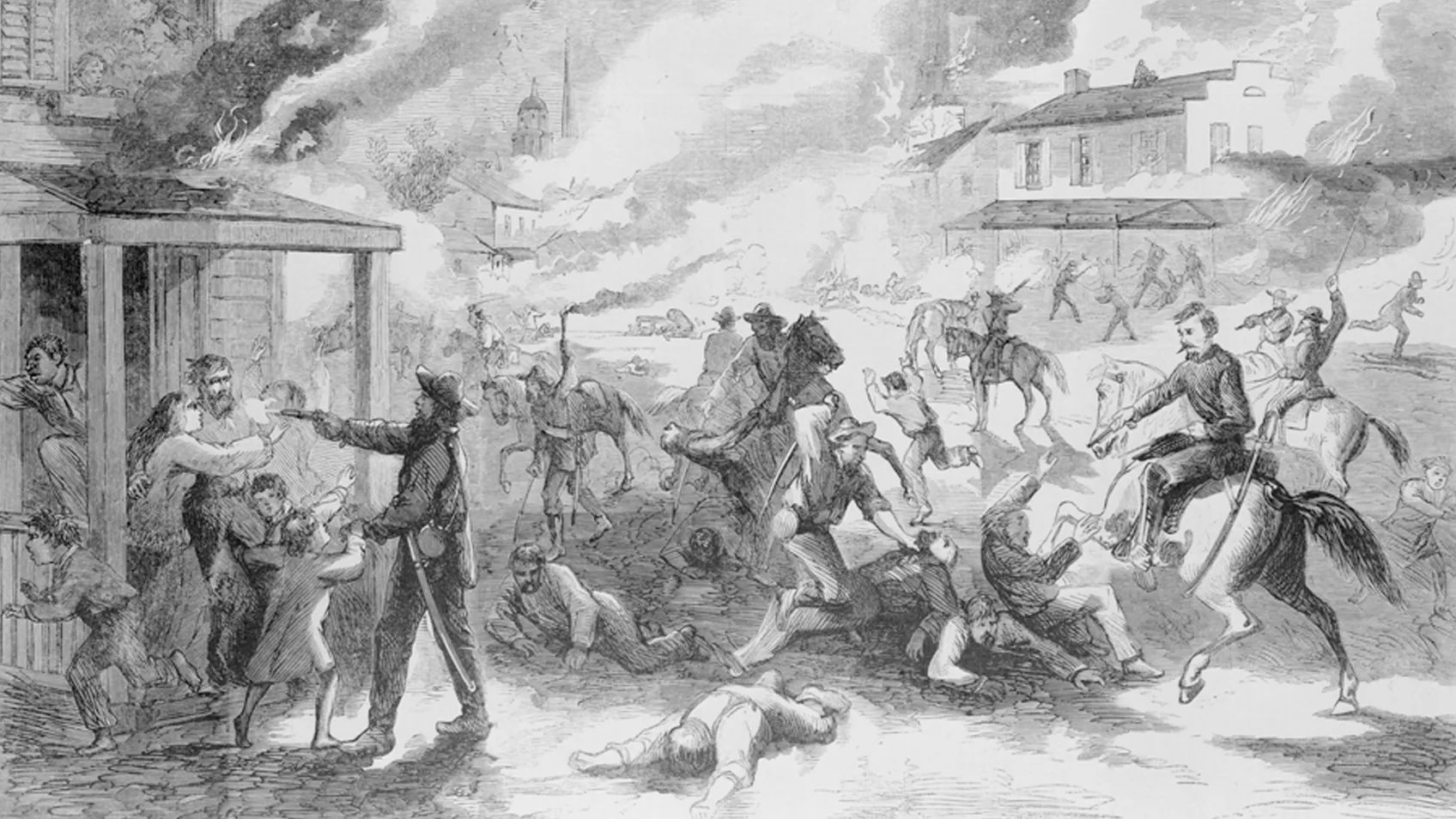
The settling of Kansas is a tale woven with Indian settlements, railroad grants, the Homestead Act, Pre-emption, and agricultural school grants. With this many players and conflicting interests, settlers – and genealogists – have their work cut out to make sense of the process.
Fri, January 19 2018: 0:00 UTC
1:38:16
Midwestern & Plains States Level Census Records
Many Midwestern and Plains states have superb state census records. Learn about the indexes, the many personal details these censuses include, locating the censuses, and alternate sources. The lecture includes many specific examples from these enumerations, provides an overview of state censuses for Illinois, Indiana, Iowa, Kansas, Michigan, Minnesota, Missouri�
Wed, October 25 2017: 0:00 UTC
1:31:57
1.9K views
Home on the Range: Kansas Research Tips
This class will cover the main research strategies for finding your Kansas ancestors, including important historical events that influenced settlers, immigration and migration trends, and major record groups and repositories.
Fri, March 10 2017: 0:00 UTC

Upcoming Live Webinars

View all (197)
Tue, March 18 2025: 14:00 UTC
Spanish
Explora tus orígenes étnicos con el modelo de etnicidad de ADN mejorado de MyHeritage, v2.5
Tue, March 18 2025: 14:00 UTC
Los subtítulos y la voz de este vídeo se han doblado al español utilizando IA. Conozca el modelo mejorado de etnicidad por ADN de MyHeritage, v2.5.
Tue, March 18 2025: 14:00 UTC
Wed, February 4 2026: 1:00 UTC
English Context – History, Sources and Repositories
Wed, February 4 2026: 1:00 UTC
An introductory overview on English History and its effect on sources and repositories. Understand where to look for records and how to access.
Wed, February 4 2026: 1:00 UTC
Wed, February 4 2026: 16:30 UTC
Advanced Census Research: Understanding Census Enumerators and Their Instructions
Wed, February 4 2026: 16:30 UTC
The census is one of our basic research tools, but basic doesn’t equal simple. Often a census record can raise as many questions as it answers, and some of those questions may seem unanswerable. Learn how an understanding of who the enumerators were, what their instructions prescribed, and some of the many ways they deviated from the instructions can answer many of the questions raised by census research.
Wed, February 4 2026: 16:30 UTC
Wed, February 4 2026: 17:45 UTC
The Many Faces of the Census: Beyond the Population Schedule – Agricultural, Mortality, and Industry Records
Wed, February 4 2026: 17:45 UTC
Most researchers stop at the population schedule, but census records also include valuable schedules that document farms, businesses, deaths, and community life. This session explores agricultural, mortality, and industry schedules, showing how they can be used to add depth to family history.
Wed, February 4 2026: 17:45 UTC
Wed, February 4 2026: 19:00 UTC
Case Studies in Census Conflicts – Resolving Contradictions Across Decades
Wed, February 4 2026: 19:00 UTC
Census records often contradict one another. Ages change, names vary, and places of birth are inconsistent. This session demonstrates how to analyze and reconcile those conflicts through timelines, correlation with other records, and case studies that show how to draw conclusions from imperfect evidence.
Wed, February 4 2026: 19:00 UTC
Wed, February 4 2026: 20:30 UTC
Context in the Count: Interpreting the U.S. Census With a Historical Perspective
Wed, February 4 2026: 20:30 UTC
The U.S. federal census wasn’t designed with genealogists in mind; it was created to meet the changing needs of a growing nation. This session takes you beyond the names and numbers, exploring the historical context behind each census from 1790 to 1950. We’ll examine how shifting questions, enumeration methods, and national priorities have shaped the records we rely on today. By understanding the “why” behind the census, you’ll gain tools to interpret your ancestors’ entries with greater accuracy and uncover richer stories hidden in the data.
Wed, February 4 2026: 20:30 UTC