Using Negative Evidence: The Power of Silence in the Records
Elizabeth Shown Mills, CG®, CGL®

Content


About this webinar
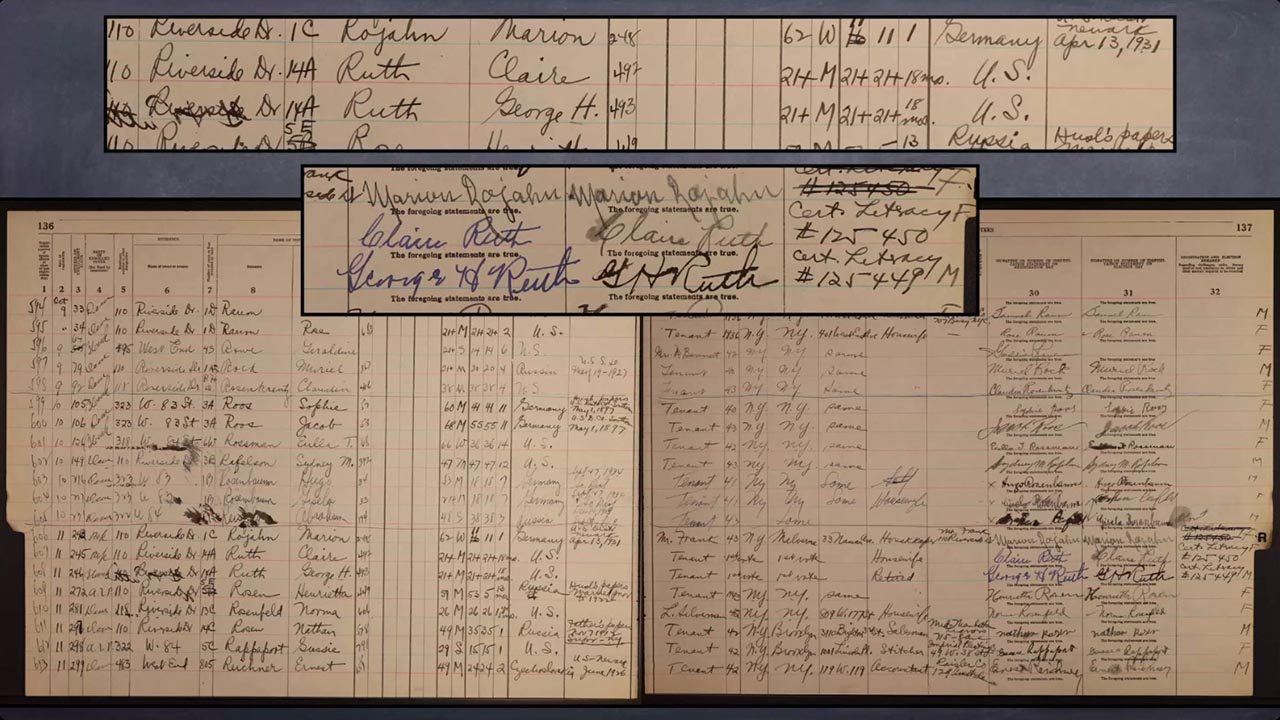
Can genealogists take a negative (the absence of something) and develop it into a positive (proof of something)? Yes! If we understand what we’re working with and how to develop it. Negative evidence is a tool used by many investigative fields; but its definition varies between disciplines. This session defines the concept used by genealogists and historians: contextually suggestive silence. In layman’s language, Mills clearly separates negative evidence from concepts that are often confused with it: negative searches, negative findings, negative arguments, and negative conclusions. Case studies using autosomal and Y-DNA, censuses, church records, death certificates, land deeds and grants, topo maps, and other source types to demonstrate how to recognize contextually suggestive silence and develop it into solutions for situations in which no document explicitly answers our research question.
About the speaker

Related webinars
 00:58:07
 01:14:39
 01:06:21
 01:15:56
 01:23:30
 01:08:13
 01:11:07
 01:00:23
 01:12:27

Comments (75)
She is Brilliant!
Excellent webinar! I have struggled with this subject in my writing! I appreciate ESM so much!
Truly amazing lecture, Thank you Elizabeth.
I am amazed, and going back to my book by Henige...thank you, Elizabeth!
Never disappointed listening to ESM. I need to look at many sources - again!
Elizabeth Shown Mills is amazing, as usual. I truly enjoy just hearing her speak and the way she thinks her way around a problem!
She was very knowledgeable and very clear in her strategy. I had not done this kind of research but I will now.
I will have to listen to her discussion more than once to derive all of the information and research techniques that she discussed so that I can begin to apply her techniques.