The Two-Minute FAN Club
Cheri Hudson Passey
Content

About this webinar
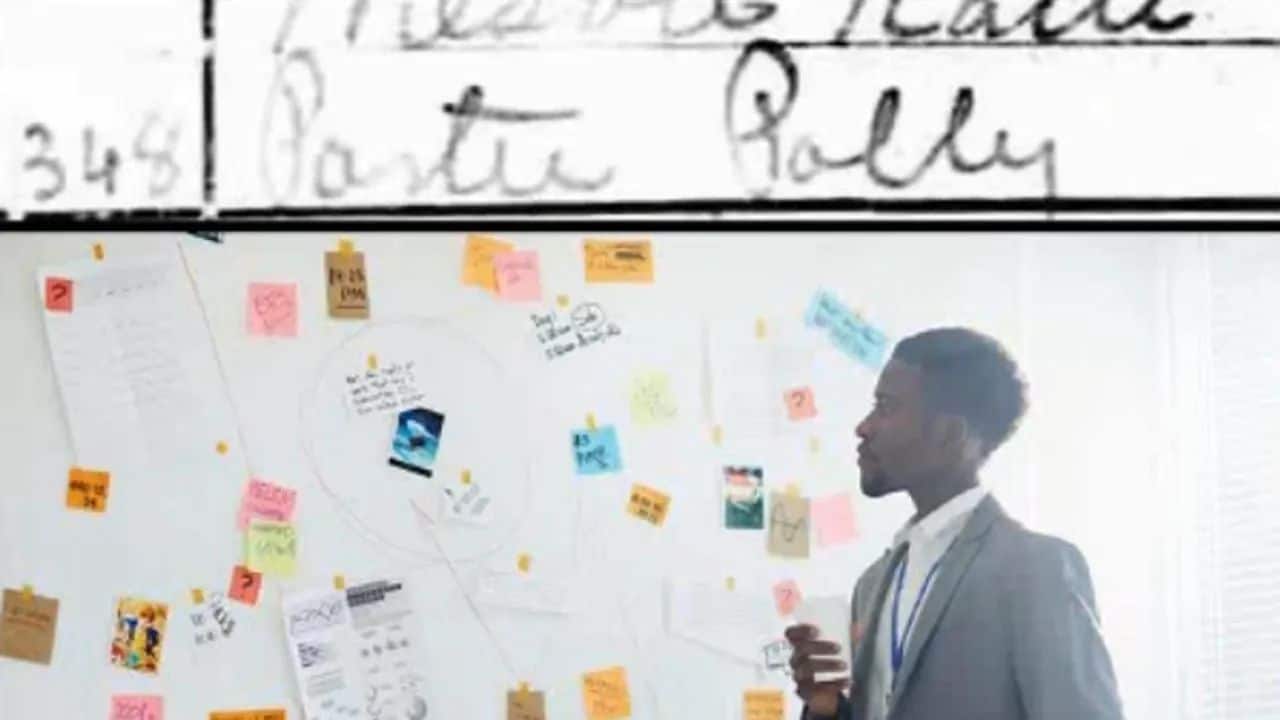
Friends, Associates, and Neighbors (the FAN Club) often hold the key to solving genealogy problems. This TechZone session shows how to pull out a quick FAN Club from a single record in just two minutes. By noticing the extra names around your ancestor, you can start building the connections that lead to answers. Attendees will learn how to: 1-Identify FAN Club members directly from one record. 2-Recognize how witnesses, neighbors, and associates provide clues. 3-Apply the two-minute method to any document they already have.
About the speaker

Key points and insights
In this genealogy webinar, Cheri Hudson Passey introduces a practical strategy for overcoming research roadblocks by shifting focus from individual ancestors to the communities they inhabited. Many researchers fall into the trap of "speed-searching," quickly pulling names and dates from records before rushing to the next document. However, Passey argues that the key to major breakthroughs often lies in the names we usually skip—the friends, associates, and neighbors who appear alongside our family members. By adopting a intentional, two-minute habit of observing these surrounding figures, genealogists can uncover hidden patterns, trace migration paths, and solve complex identity problems that a single ancestor’s record might not reveal on its own.
- The Power of the Pause: The most critical step in the method is resisting the urge to move immediately to the next record; instead, researchers should "press the pause button" to scan for witnesses, bondsmen, nearby landowners, or church members who may hold the missing pieces of a family puzzle.
- Contextual Capturing: Rather than performing a deep dive into every name on a page, researchers should simply record the name and a brief detail—such as a shared birthplace or a specific role in the document—to identify recurring patterns and clusters of people moving together over time.
- The "Why" Factor: By asking one simple question—"Why are they here?"—genealogists maintain a mental connection to the community context, transforming a list of random names into a functional network of leads that can bridge gaps in the historical record.
To see this method in action and learn how to effectively track these community clusters, viewers are encouraged to watch the full webinar. Embracing this small shift in perspective can transform a stagnant pedigree chart into a vibrant, well-documented family history.
Related webinars
 01:08:24
 00:39:10
 01:09:11
 01:24:42

Comments (10)
If you are on Ancestry, you can use their networks feature. I've successfully used it to help me get back another generation on one branch of my tree - by grouping together all the people with the same family name in an area. It gave me a better construct to see things. In another case, I've grouped together people in the same unique occupation where my relatives lived.
This is great - thanks, Cheri! Do you have suggestions of how to track, keep organized in our records, all the FAN club members? Do we keep a separate record just for the FAN? or keep it with our Ancestor's name - do you create a table? (I'm tracking a Carolina Revolutionary War vet & neighbors also!)
Thank you so much. This was very helpful.
Quick, easy, effective. Thank you for this practical idea!
Good tip, Cheri! Thank you
Great reminder! The FAN's are always a fun discovery for me. But alas, I fall into the 'moving too fast' trap.
Very good! I have recorded names but haven't taken it a step further to research THEM. I need to get going. Your message and method is inspiring. Thank you.
Wonderful tip!