Researching Your Tennessee Ancestors
J. Mark Lowe, FUGA


Content


About this webinar
Learn about the valuable resources that describe the pioneers who crossed the mountains to Tennessee. Discover the hidden wonders that may help you resolve problem ancestors in the Volunteer State. Understand how records were created and where to find the ones you need.
About the speaker

Key points and insights
Tracing family lineages through Tennessee requires an appreciation of its unique geography, early border uncertainties, and a strategic methodology tailored to a state land jurisdiction. In the featured webinar, "Researching Your Tennessee Ancestors," professional genealogist Mark Lowe shares proven strategies and foundational insights for navigating the complexities of historical records across the state. From the earliest mountain settlements to the expansive Mississippi Delta, Tennessee’s evolution from a western territory of North Carolina into an independent state in 1796 heavily influenced how and where family events were recorded. Historians can maximize their breakthroughs by looking past basic indexes and embedding their searches into localized, historical context.
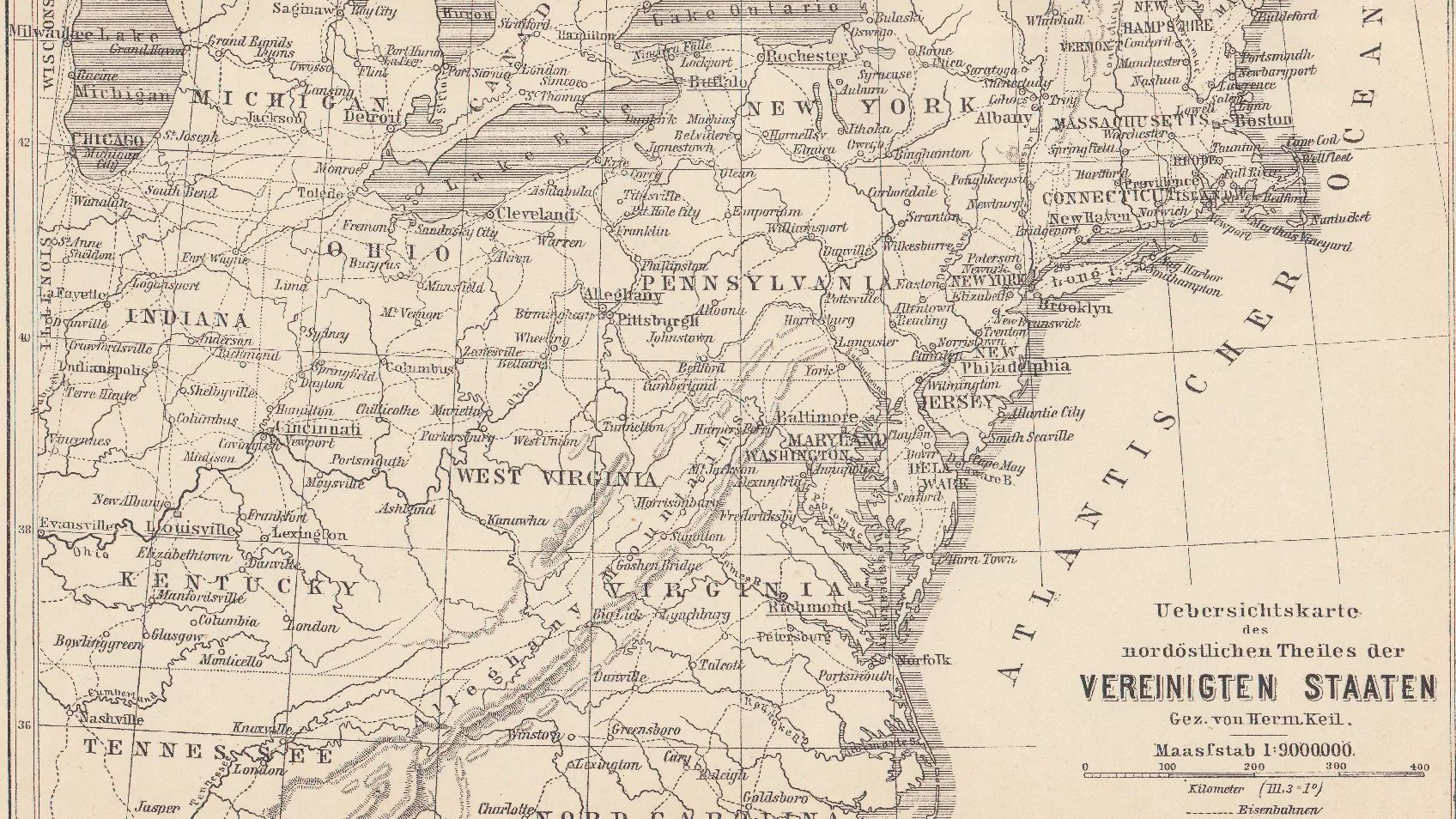
- Target Micro-Neighborhoods Dynamically: Effective southern research relies on choosing a tight focus area that scales according to the transportation capabilities of the era. For lines prior to 1840, researchers should plot a 50- to 70-mile radius, expanding up to 150 miles for post-1870 eras as rail systems and roadways modernized. Identifying the contemporary network of town structures, rivers, and neighboring family networks is paramount to predicting record placements.
- Differentiate State Land Grants and Metes & Bounds: Because Tennessee is a state land state rather than a public domain territory, property properties do not conform to standardized rectangular grids. Early acquisitions—often distributed as North Carolina military bounties or preemptions—were described using a fluid system of "metes and bounds" that referenced local natural elements like watercourses and landmark trees.
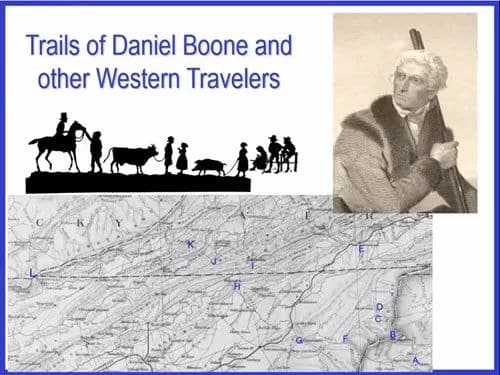
- Investigate Boundary Friction and Adjacent States: Due to inaccurate early mapping surveys, fluid territorial changes, and deep ancestral ties to North Carolina and Virginia, family transactions frequently spilled over regional boundaries. For example, records concerning families entangled in early Kentucky border disputes along "Walker's Line" are frequently archived exclusively in Kentucky county court systems rather than within Tennessee.
- Navigate Fragmented Court Realities: While Tennessee court and land entries offer remarkable ancestral footprints, record laws evolved erratically. Bound marriage record volumes were not universally standardized by the state until 1838, meaning earlier returns are highly prone to being scattered or missing altogether. Furthermore, researchers must adapt to regional vocabulary, noting that Tennessee historically lacked an independent probate court, delegating estate processes to county and chancery courts instead.
To explore these comprehensive land strategies more deeply and witness practical demonstrations of mining early legislative databases, researchers are encouraged to view the complete webinar recording. Accessing the visual recording provides essential perspective on mapping ancient metes and bounds tracks and utilizing obsolete legal terminology resources. Historians should also consult the excellent four-page syllabus provided by Mark Lowe. This comprehensive guide offers immediate reference paths, timeline breakdowns, and direct catalog links designed to dismantle long-standing brick walls and clarify your ancestor's true southern story.
Related webinars
 01:00:57
 01:01:55
 01:28:44
 01:52:03
 01:38:09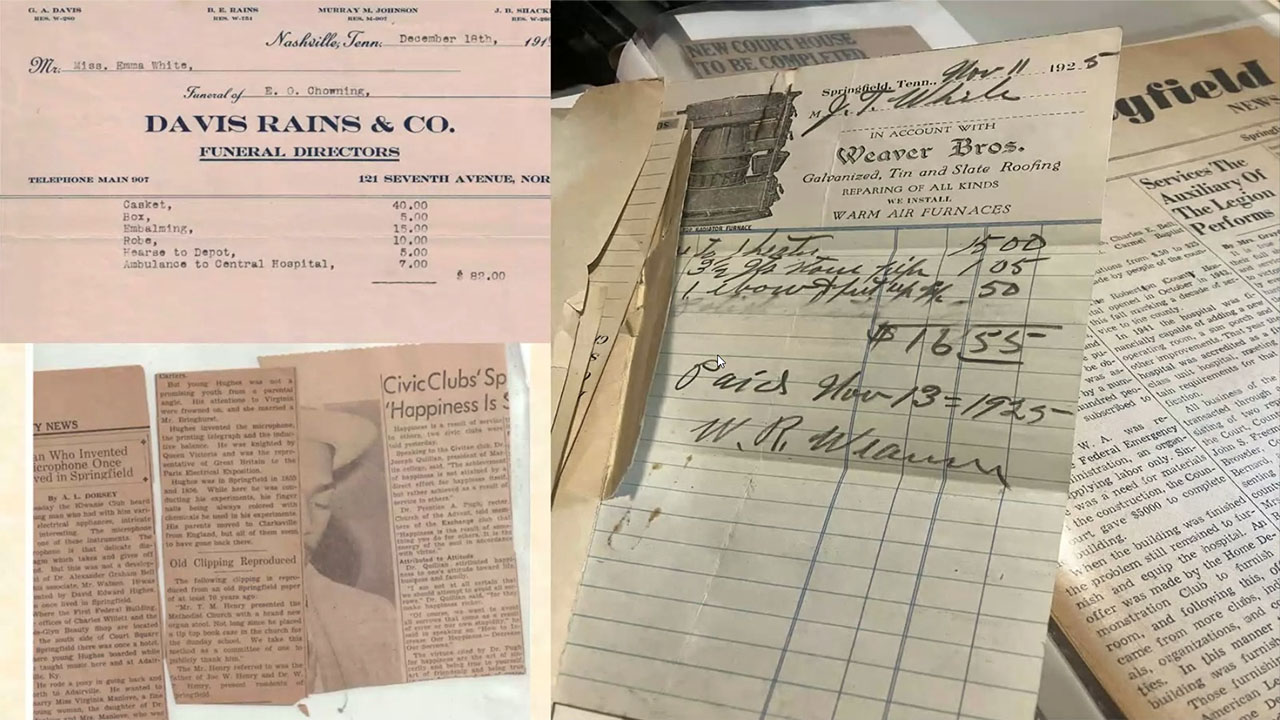
 01:14:00