Content


About this webinar
Genealogy Guys Learn presents Principles of Effective Evidence Analysis. We must use both traditional and online resources in our research and work them in tandem. With the volume of digitized resources growing exponentially yearly, our rapid access to original genealogical records online may flood us with more information than we can handle. It is easy to rush through the evidence examination and analysis processes, increasing the probability that we will miss critical details. It is critical that we take the time to carefully analyze all the evidence content for clues implied or suggested. This genealogical video discusses the principles of highly effective genealogical evidence analysis and shows examples of capturing all the clues to expand and improve our research.
About the speaker

Key points and insights
Unlocking the secrets of the past requires more than just collecting names and dates; it demands the sharp eye of an investigative reporter or crime scene investigator. In "Principles of Effective Evidence Analysis," presented by George G. Morgan for AHA Seminars, researchers are invited to revolutionize their approach to family history. As digital archives expand at light speed, genealogists face an unprecedented flood of information—much of it conflicting, derivative, or misleading. This webinar provides an essential framework for critically evaluating every record, distinguishing original sources from secondary transcriptions, and systematically dissecting evidence to build bulletproof family histories.
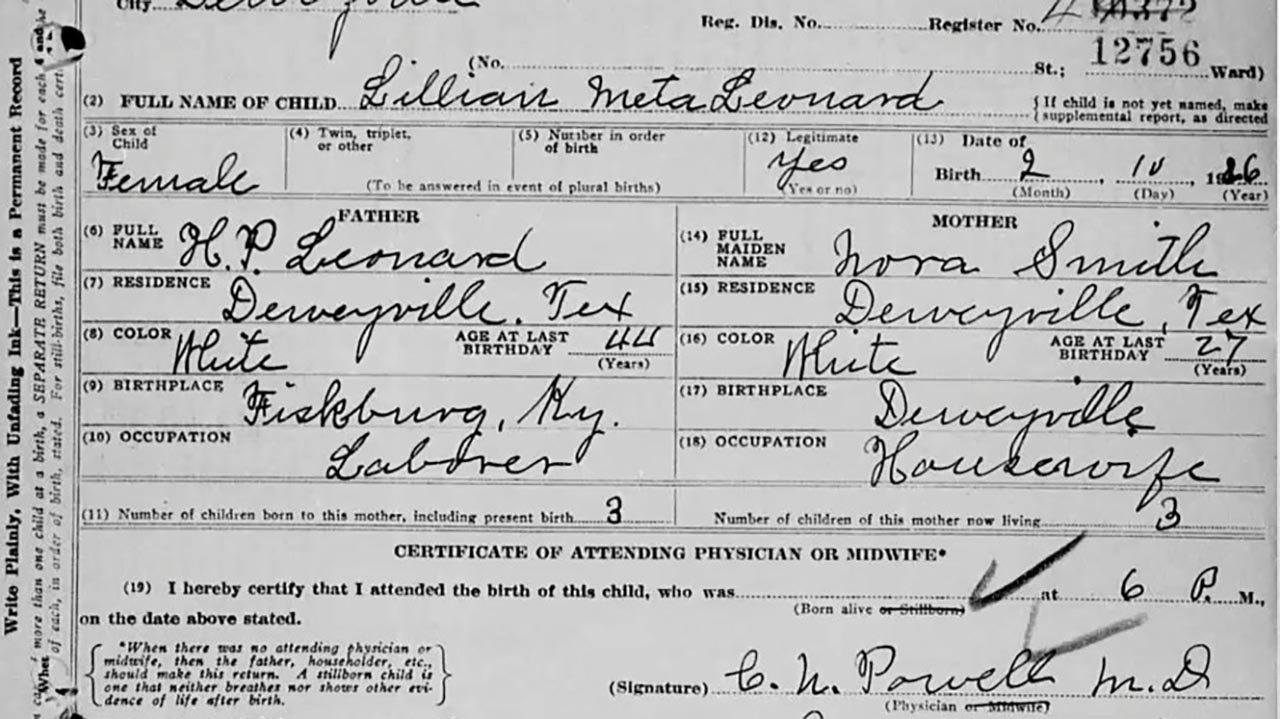
- Investigate Beyond the Surface: Learn how to approach every document with open-ended investigative questions, treating every record—from 1900 census schedules to vital statistic certificates—as a composite of distinct primary and secondary facts that require independent verification.
- Beware the "Derivative" Trap: Discover why common courthouse records, like copied wills or multi-tier census transcriptions, often contain introduced errors or critical omissions, and master strategies for locating exact original images to ensure accurate analysis.
- Transform Obscure Clues into Actionable Plans: Capitalize on hidden document details—such as homeownership codes, archaic medical terms, and historical citizenship laws—to resolve conflicting data and build targeted, step-by-step research itineraries.
To truly transform family history research and stop falling into common transcript trapdoors, genealogists are encouraged to watch the full webinar. Viewing the complete presentation provides practical, line-by-line document walkthroughs and deepens the analytical skills needed to solve complex genealogical brick walls. Viewers are also invited to explore the additional resources included in the course syllabus, which feature recommended reading lists, international classification guides, and tools designed to elevate evidence analysis to a professional standard.
Related webinars
 02:21:10
 00:55:40
 00:50:33
 00:59:30
 00:35:21
 00:31:27
 00:48:42
 01:22:55
 00:40:07