Fields of Hope: African Americans, Immigrants, and Women in the Homesteading Era
Angela Packer McGhie, CG®, FUGA

Content


About this webinar
The Homestead Act of 1862 opened millions of acres of land to settlers. This session uncovers the stories of African Americans, immigrants, and women who pursued land and independence through homesteading. We will examine their struggles and triumphs, and explore the homestead case files that document their experiences. Attendees will gain both historical insight and practical research strategies to discover the stories of these homesteaders.
About the speaker

Key points and insights
The genealogy webinar "Fields of Hope: African Americans, Immigrants, and Women in the Homesteading Era" offers a fascinating exploration of the Homestead Act of 1862 and its profound impact on the American frontier. By providing a pathway to own 160 acres of land, the federal government created opportunities for diverse groups to build communities and pursue the American dream. This presentation highlights the unique struggles and triumphs of individuals—including formerly enslaved people, single women, and foreign-born citizens—who navigated the rigorous requirements of land ownership. For genealogical researchers, homestead records serve as a vital resource, often containing rich narrative details that go far beyond standard vital records to reveal the personal stories of resilience and hard work that shaped the nation.
Key Insights from the Webinar
- Expanded Eligibility for Marginalized Groups: The Homestead Act was revolutionary in its inclusivity, allowing single, widowed, divorced, or deserted women to claim land as heads of families. Additionally, immigrants were permitted to file claims if they had declared their intention to become citizens, often completing their naturalization and residency requirements simultaneously over a five-year period.
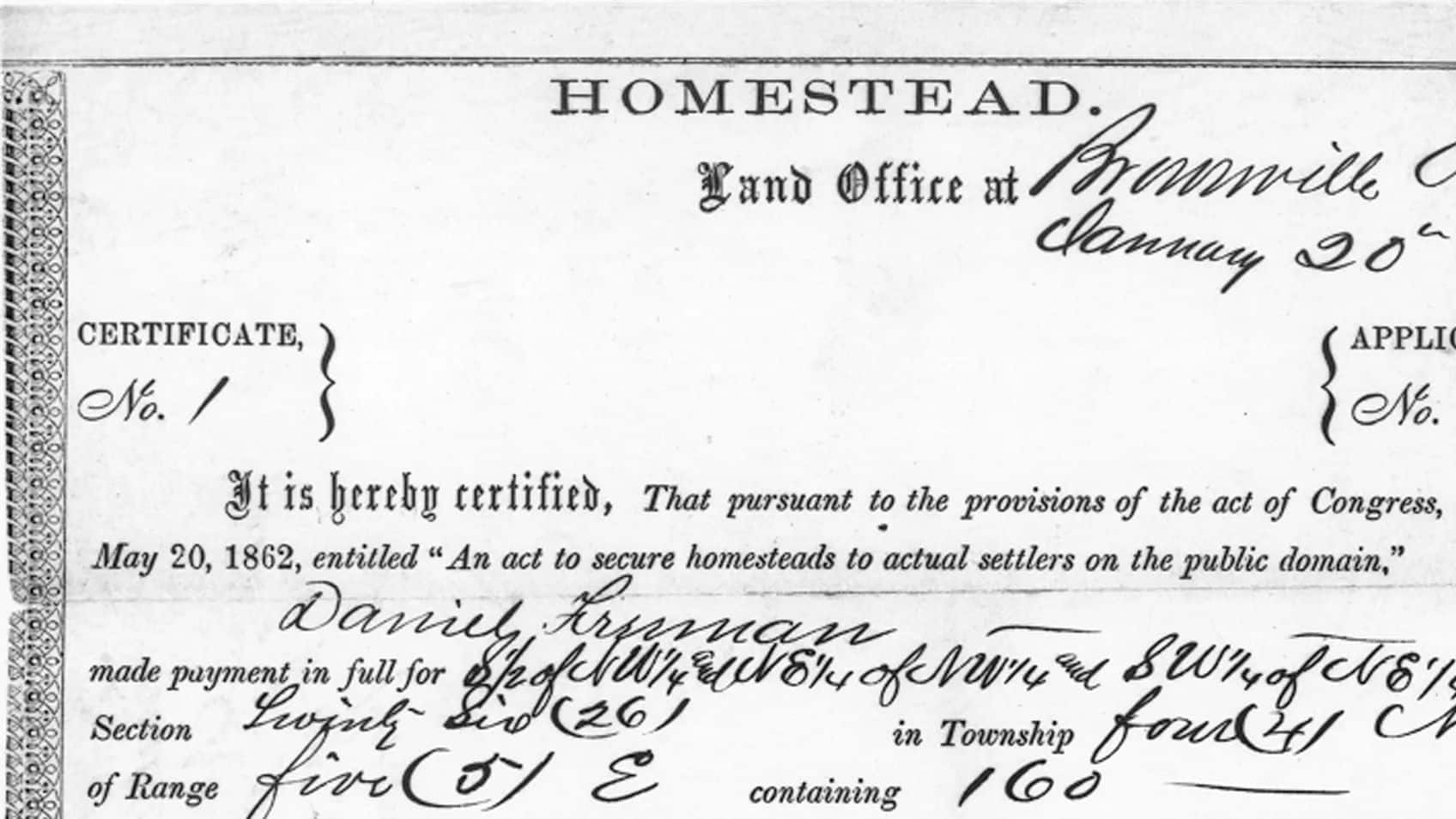
- A Wealth of Biographical Detail: Typical homestead files average between 20 and 40 pages and include "proof" testimonies that describe the homesteader’s family, the dimensions of their dwellings, and the specific improvements made to the land, such as the number of livestock owned or crops planted. These records frequently contain original signatures of the claimants and their neighbors, providing researchers with tangible links to their ancestors.
- Specialized Research Strategies: Success in finding these records involves searching the Bureau of Land Management (BLM) General Land Office database for patented land, which even offers a mapping feature to view the property on modern Google Maps. While about 40% of homestead applications were canceled and never reached patent, these "canceled" files still exist at the National Archives and can contain significant genealogical documents like certificates of citizenship.
To fully appreciate the depth of these records and learn how to trace an ancestor’s journey on the prairie, genealogists are encouraged to view the complete webinar recording. Seeing the original documents and hearing the individual stories of families like the Chrismans or the Calofs provides a unique perspective on the homesteading experience that cannot be found elsewhere. Researchers should also explore the comprehensive six-page syllabus, which contains direct links to essential databases, track book guides, and additional reading materials to aid in their own "Fields of Hope" discovery.
Related webinars
 00:59:25
 01:22:19
 00:54:16
 01:23:59
 01:20:02
 01:21:01

Comments (31)
I am excited to get info for the digitalized files! Really excited.
Somehow I have missed Angela McGhie's webinars in the past. She is absolutely excellent with lots of good information. Now I am going to look up and listen to her other webinars. My ancestors Clyde Holloway and Norman Powell homesteaded in southern Idaho, an area just outside of Angela's focus.
I love all of her webinars! Always learn something new!
Presentation was very interesting and detailed. I guess that I have another trail to follow in hopes of finding all I can about any of my ancestors that may have taken advantage of the land grant programs.
Fantastic webinar, great info
Good presentation! Thank you!
The presenter is an expert in her chosen topic.
Very informative