



The series begins with sound genealogy methodology and principles and then explains their logical extensions when using autosomal DNA as a source of information to answer focused research questions. Karen will use a case example to prove the documented ancestors are consistent with the genetic evidence on a selected ancestral line. This lecture focuses on methodology and decision-making.
Discount code: dnaaction1 (valid at Familytreewebinars.com)
Valid through: February 24, 2026
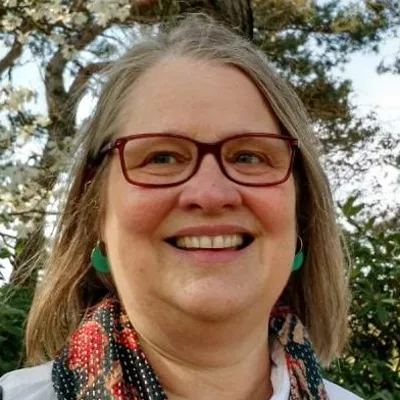
In the rapidly evolving field of genetic genealogy, “Proving your Pedigree with DNA” offers a vital bridge between traditional paper-trail research and modern biological evidence. Presented by Karen Stanbary, a certified genealogist and genetic specialist, this session moves beyond the simple “name collecting” of online trees to a rigorous methodology centered on the Genealogical Proof Standard. By integrating autosomal DNA results with documentary sources, researchers can move past brick walls caused by record loss or ambiguous histories. This webinar serves as an essential guide for intermediate genealogists seeking to verify their lineages with scientific precision, transforming meaningless centimorgan numbers into definitive proof of kinship.
The Power of Syllogisms: Proving biological relationships requires more than matching names; it demands logical reasoning expressed through syllogisms. By stating “if [documented relationship] is true, then [genetic data] should fall within a specific range,” researchers can objectively test hypotheses and identify potential cases of misattributed parentage.
Pedigree Mitigation and Evaluation: A critical yet often overlooked step in DNA analysis is the systematic ruling out of multiple common ancestors. This involves evaluating the pedigrees of matches to ensure shared DNA isn’t inherited from an unrelated maternal line, pedigree collapse, or endogamy, thereby strengthening the validity of the conclusion.
Strategic Test-Taker Selection: To maximize “genome coverage,” genealogists should prioritize testing descendants from independent lines—specifically, individuals descending from different children of the target ancestral couple. This comparative approach helps mitigate the effects of random DNA recombination and provides a more robust body of evidence.
To truly elevate genealogical skills and move from being a name collector to a sophisticated researcher, viewing the full recording of this webinar is highly recommended. The session provides detailed case studies that illustrate exactly how to calculate probabilities and resolve complex conflicts that software cannot handle alone. Furthermore, viewers are encouraged to explore the accompanying six-page syllabus, which contains extensive documentation, reference tools, and step-by-step guides to implementing these strategies in personal research.








 Facebook
 X
X
 Syllabus


I learned a lot today and I’m looking forward to the rest of the series!
Excellent, clear and informative presentation. The slides were clear, well-organized and attention-grabbing. It was one of the clearest explanations on how to use DNA to assist in verifying biological relationships in your Family Tree.
Karen’s delivery method makes you want to listen and digest the information she’s passing on. Looking forward to the remaining 5 sessions.
Karen is so knowledgeable and such an enthusiastic presenter it would be hard not to enjoy her seminars. The information about DNA always takes real concentration and it’s great to be able to watch the webinar again. Thanks Karen.
I’ve attended over 60 DNA presentations and this was one of the BEST! She showed us new ways to think about both DNA and our analysis of matches and also, and most importantly, about syllogisms!!!
I enjoyed her entertaining approach to this subject and her step-by-step instructions. Will return to the video to look at the numbers more in-depth.
A complex subject clearly explained. Loved it, but will need to go back over my notes to really get to grips with it. I’m looking forward to session 2!
This was a very informative class. It validated the way that I work with DNA and gave me some good tips to explore.