5 Ways Tax Lists Can Assist Your Pennsylvania Research
Katy Bodenhorn

Content


About this webinar
In colonial and early 19th-century Pennsylvania, let's face it--there are only so many records and it can be challenging to connect generations. This can especially be the case if an ancestors did not own land. Tax lists may not automatically be near the top of most genealogists' list as useful sources in pre-1850 Pennsylvania research. Here's why they should be.
About the speaker

Key points and insights
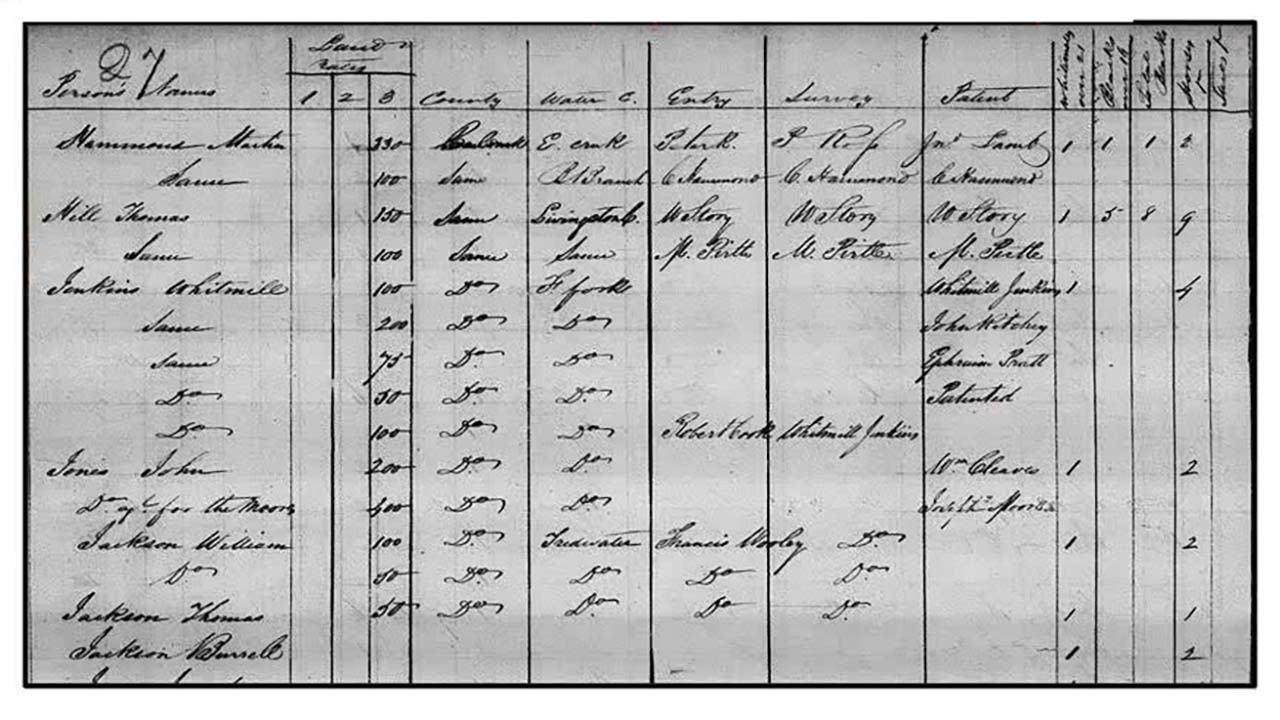
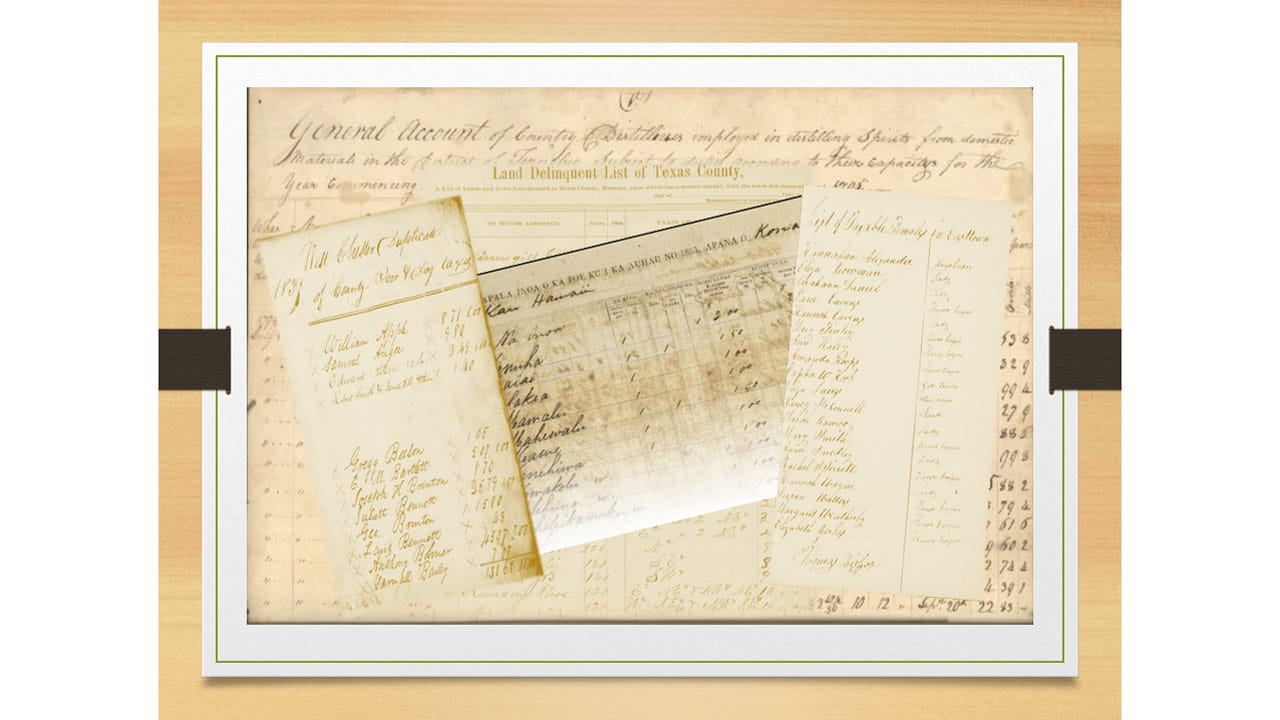
Unlocking early Pennsylvania ancestry often feels like navigating a dense, record-scarce wilderness, especially during the colonial and early federal eras. In "Five Ways Tax Lists Can Assist Your Pennsylvania Research," professional genealogist Katie Bodenhorn presents tax records as the ultimate indirect evidence tool to bridge these difficult historical gaps. Because state-mandated civil vital records and detailed, censuses naming entire households were not established in Pennsylvania until much later, tax lists offer a rare, recurring window into early communities. By serving as the essential binding material between major historical records, annual county, state, septennial, and federal tax assessments allow researchers to track early residents with granular accuracy.
- Tracking Lifespans, Relationships, and Key Milestones: Annual tax rolls enable researchers to estimate crucial life events—such as birth ranges based on reaching the taxable age of twenty-one or marriage years indicated by transitions off single "freeman" lists—while specialized "poor children's" lists recorded between 1809 and 1834 explicitly link low-income parents with their children's names and ages.
- Disambiguating Identity and Socioeconomic Status: Detailed tax entries record land, livestock, enslaved individuals, and specialized trades, allowing genealogists to separate individuals with identical names by comparing relative wealth, geographical townships, and specific occupations.
- Uncovering Dynamic Federal and Regional History: Unique records like the 1798 Direct Tax—often called the "window tax"—provide extraordinary physical descriptions of homes and property, capturing historical context like the localized anti-tax resistance seen in Fries' Rebellion.
To fully grasp these research methodologies and trace missing ancestors, viewing the full webinar is highly recommended. Seeing concrete case studies—such as tracking transient craftsmen or mapping physical boundaries like the Blue Mountain ridge to rule out distant same-named individuals—provides practical clarity that summary points alone cannot convey. Researchers are also strongly encouraged to explore the additional resources provided in the accompanying syllabus, which offers actionable guides for locating repositories, navigating digitized catalogs on platforms like FamilySearch and Ancestry, and accessing hidden county records.
Related webinars
 01:32:25
 01:55:56
 01:27:51
 01:20:24
 01:21:56

Comments (66)
Excellent webinar; very helpful for those of us researching pre-1850 & Colonial. Even though it was specific to PA, there was plenty of crossover, inferred data to draw on and explore when researching county & state level taxes in other states.
Great info, and very timely for me as I am currently trying to track down some PA tax records in an attempt to solve a long-standing brick wall.
Great exploration with lots of helpful tips—I will definitely be rewatching this one.
Very knowledgeable, informative and thorough.
Excellent presentation by a knowledgeable genealogist. Loved that she included possible pitfalls as well as other hints regarding the actual use of tax records in PA.
I have been using tax lists that are only online, blindly believing that that was all that was available. It was great to learn that tax lists are available and how to locate them. I also learned how to understand what I was looking at on the tax lists. Now I can go back and look through those lists with a different lens. Thank you!
I am glad she had the great syllabus ready. This will be most helpful to me in researching Scots immigrants during the Colonial times. Thank you from Clara Lawver in NE.
I have several sets of ancestors from Pennsylvania, so everything Katy taught us today will be very, very helpful. She did a great job and is a wonderful presenter. Looking forward to hearing more from her.