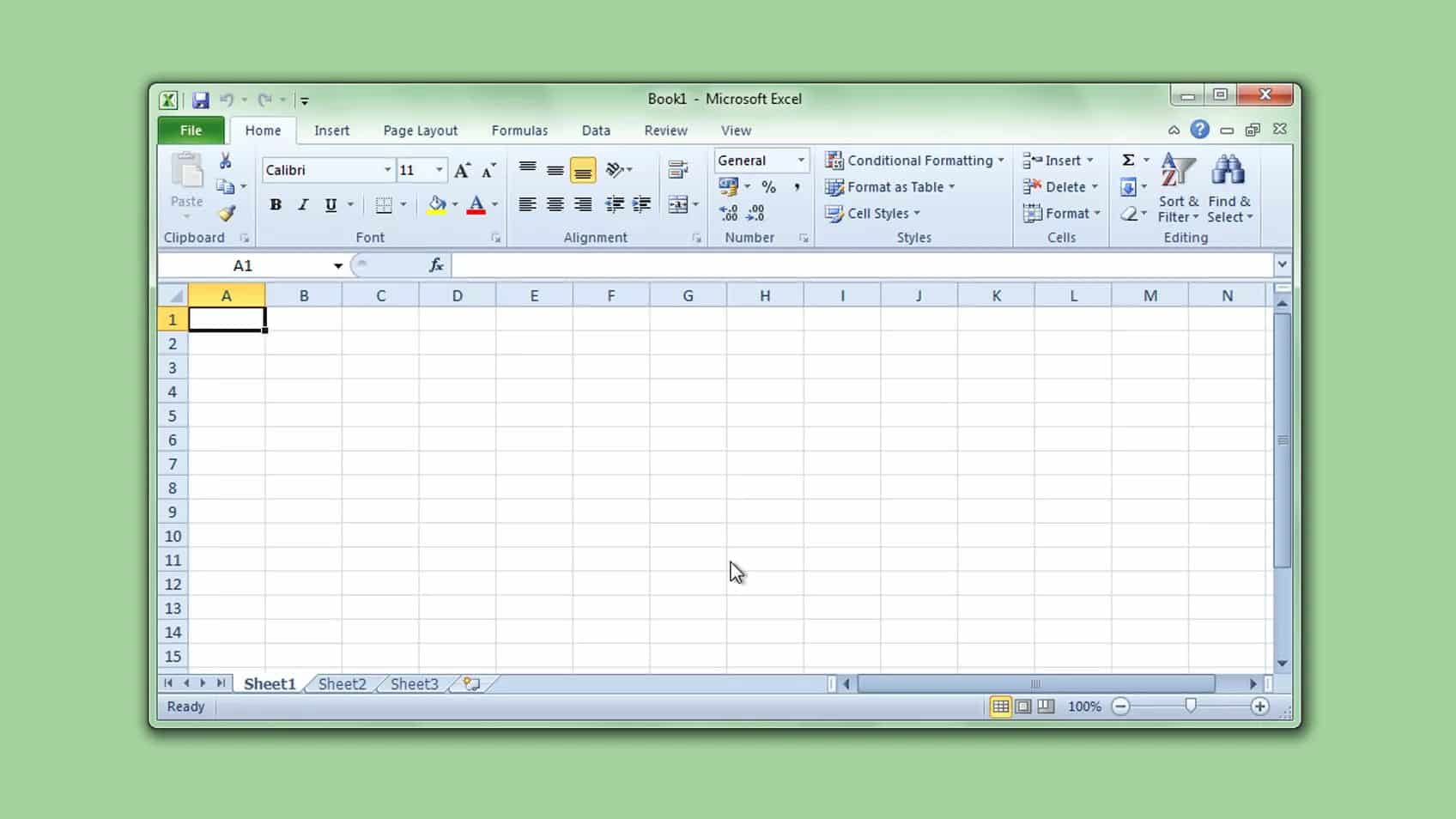
Take a trip with spreadsheets to the lands of your ancestors. Learn how spreadsheets can help as you learn to read foreign language newspapers. Use spreadsheets as a translation tool for your ancestors' vital and religious records. Create a spreadsheet to track your ancestors and those great ethnic or locality…
Spreadsheets 301 – un-Excel-ed Tips and Tricks (BONUS webinar for subscribers)
Learn new ways to make data entry faster and easier and a few things that will make your spreadsheets more attractive. See how quickly Magic Fill will help you complete a list and watch Mary turn a spreadsheet "on it's ear to filp rows and columns. Learn how to "add"…
Spreadsheets 201 – Excel-lent Examples (BONUS webinar for subscribers)
Spreadsheets can help you analyze your genealogy data and keep track of your research. In this webinar, Mary Roddy teaches how to use this powerful tool to gain perspective and further your genealogy research. You'll also learn how to quickly take search results from Familysearch and…
Spreadsheets 101 – Excel-lence in Genealogy (BONUS webinar for subscribers)
Are you afraid of spreadsheets because you don't know how or where to start? Or are you comfortable with spreadsheets but know there's a trick or two still to learn? In this webinar, Mary Kircher Roddy will get beginners up to speed, and share with experienced users tricks she's learned…
Ancêtre militaire : de carrière ou appelé ? (XIXe-XXe siècles) – Explorer des parcours uniques
Tue, December 16 2025: 14:00 UTC
Les archives militaires sont une véritable mine d’or pour les recherches généalogiques et biographiques. Grâce à elles, chaque généalogiste peut redonner vie aux parcours de ses ancêtres, qu’ils aient été soldats de carrière ou appelés du service militaire. Si la numérisation massive des fiches matricules de la Première Guerre mondiale a largement facilité les recherches, elle ne doit pas occulter la richesse des autres périodes. Du XIXe au XXe siècle, chaque époque — en temps de paix comme en temps de guerre — offre des pistes passionnantes et complémentaires. Au Service historique de la Défense, aux Archives départementales, ou encore en ligne, les sources sont nombreuses. Il s’agit surtout de connaître les bonnes méthodes pour avancer avec succès. Ce webinaire vous guidera pas à pas pour découvrir, comprendre et exploiter pleinement ces ressources, afin de retracer des parcours militaires uniques et d’enrichir votre histoire familiale.
Incorporating social context in a Kinship-Determination Project isn’t just about weaving historical events and descriptions of daily life into a family narrative. Community and culture shape behavior and relationships. To understand and document our ancestors, we need to understand the society in which they lived. When we estimate a marriage date based the birth of a couple’s first child (or that the birth of a child implies a marriage), we base those assumptions on context. This lecture will explore social context and illustrate how to research and write about it within a Kinship-Determination Project.
Alcina Furkey’s birth name and her parents’ identities were unknown in 19C Vermont. Alcina had many forenames: Alcenia, Arsena, Christina, Elcena, Elena, Jane, Josephine, Julia, Lucy, and Reusta, and Rosanna. But none of them was her baptismal name. Reconstructing her birth family, together with a connection found in deeds and the clues in Catholic records, led to her real identity.
Learn how to use artificial intelligence to help find important family information, understand old documents, and craft compelling family stories to support your family history research. This webinar will introduce you to the best uses of AI in genealogy today and give a peek behind the curtain of what genealogists can look forward to from AI advancements in 2026.
La fotografía de un desconocido: ¿punto de partida para una genealogía?
Tue, January 13 2026: 14:00 UTC
En la actualidad, cuando casi cualquier cosa pasa por la IA, el descubrimiento de una fotografía hecha a finales del siglo XIX o principios del siglo XX, no solo nos traslada a otro momento de la historia en el que el contexto era totalmente diferente, sino que nos abre las posibilidades de estudio de una persona y de una familia. Pero, además, ¿qué nos aporta una fotografía de un desconocido? ¿cuánto podemos averiguar de él y de su entorno? Una fotografía es un documento de memoria colectiva y, como tal, aporta una fuente de información sobre estructura familiar, estilo de vida y valores sociales de la época.
By registering, you are submitting your information to Legacy Family Tree Webinars and agreeing to let us use it to contact you.
Thank you for registering!
You should receive a confirmation email with a link to the webinar soon.
You’ll also receive a reminder both the day before and one hour before the webinar begins. Didn’t receive a confirmation email?
You successfully registered for %s.
You should receive a confirmation email with a link to the webinar soon.
You’ll also receive a reminder both the day before and one hour before the webinar begins. Didn’t receive a confirmation email?