Filters
0 webinars selected
Select all
Cancel

Historical Records

Watch webinars that focus on specific record categories including adoption, vital records, cemetery records, census records, city directories, immigration records, newspapers and more for locations around the world.

15
of
2,621 Webinars Clear filters
Sort by
Sort by
1:14:00
1.1K views
CC
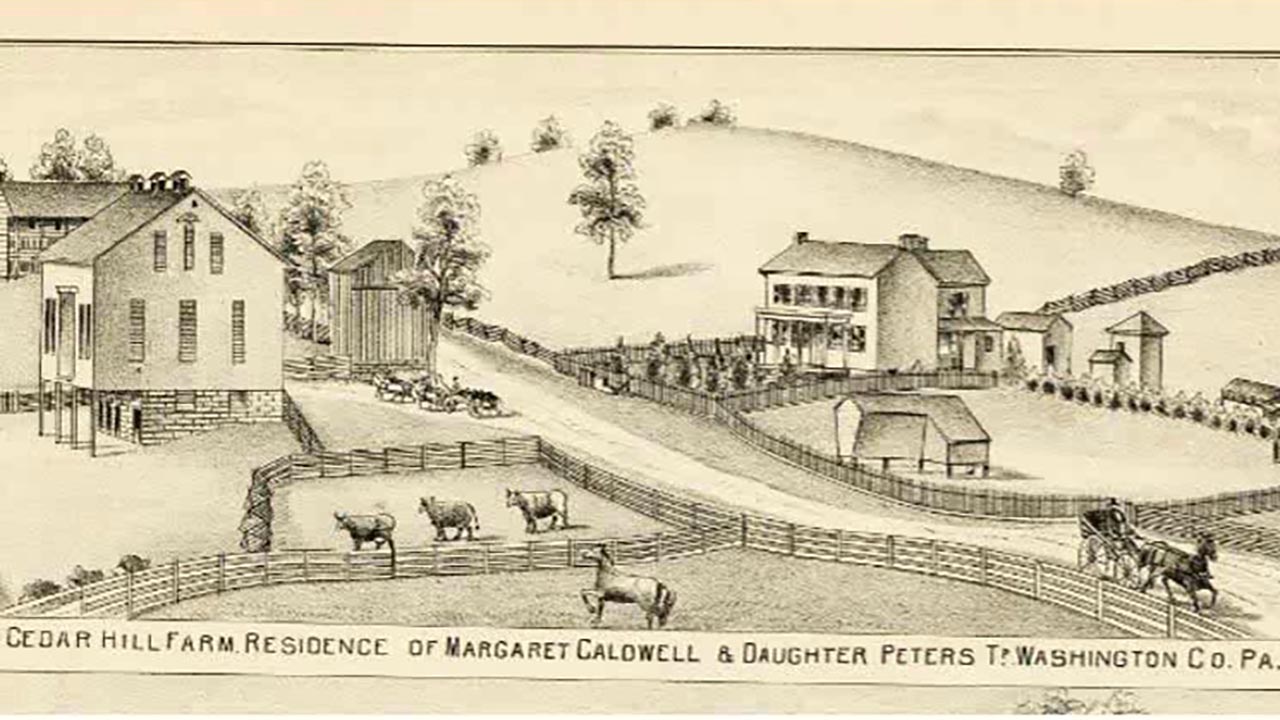
Discovering Old Land Surveys in Deeds and Probates
Early surveys can often resolve issues of burned or unindexed records. Learn how to follow a specific property and the individuals involved, while building a more complete story of that land.
Wed, September 24 2025: 18:00 UTC
32:57
257 views
CC
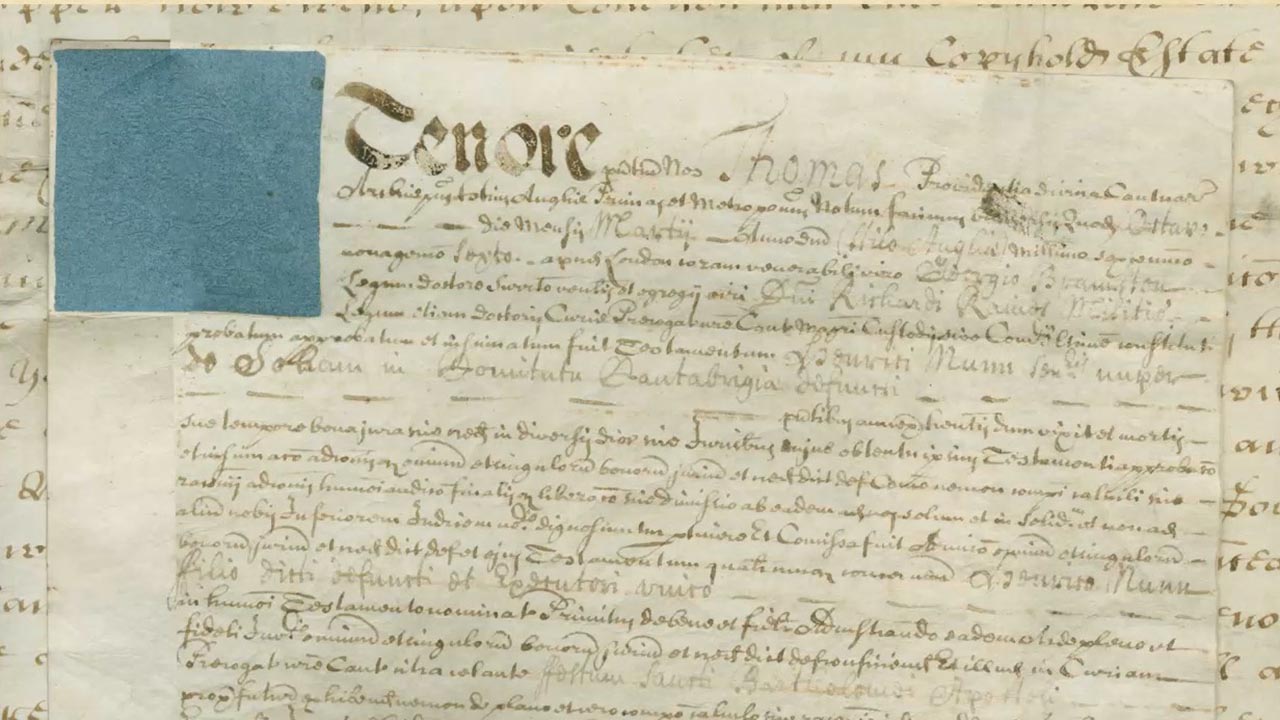
English and Welsh Wills and Death Records (Before and After 1858)
Wills and probate records can be a great source of understanding of individuals. Who were they, and where were they located? What was their status in their community? What property did they own? Who were the administrators of their estates? Who were their heirs, and what did they inherit? What relationships might they have had with other people? The surviving records of England and Wales span from the 14th century to the present. Learn the history of the records before and after 1858, when civil courts took over probate responsibility from ecclesiastical courts. Learn about research guides to the records and how to read them. This webinar was first released 28 July 2021 on the Genealogy Guys Learn website.
Thu, August 14 2025: 12:00 UTC
1:17:38
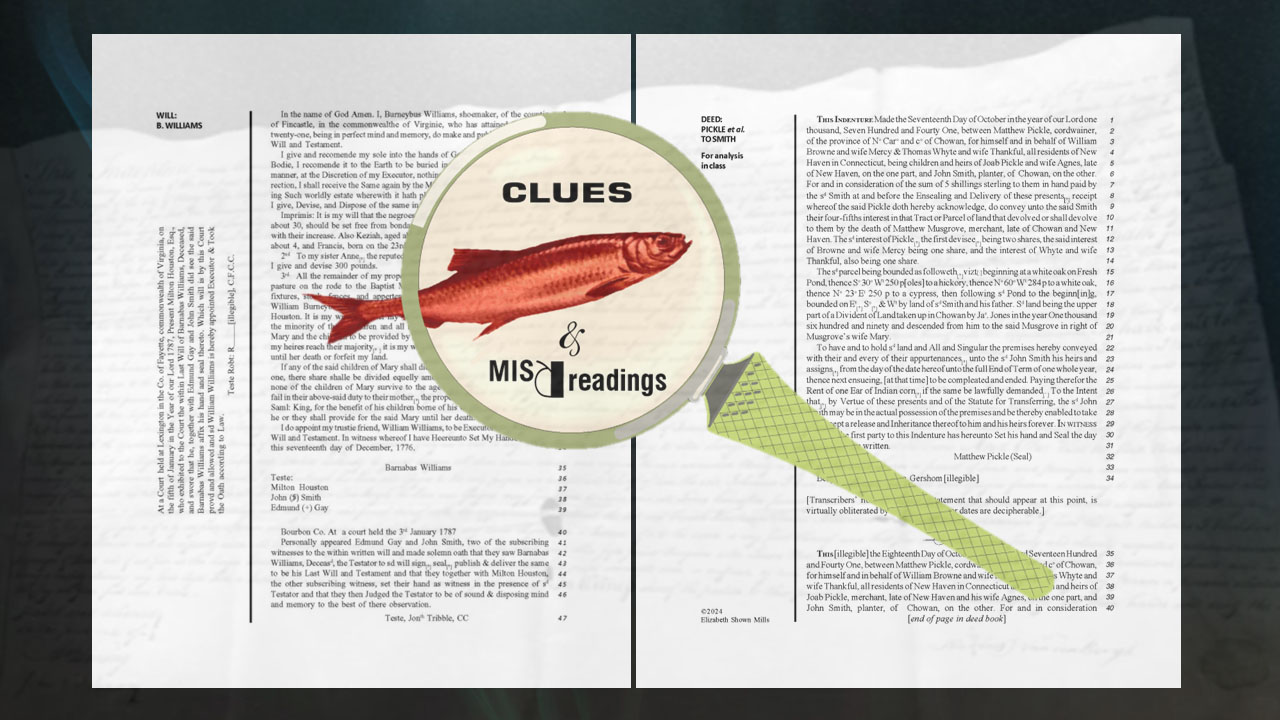
Analyzing Deeds & Wills: I See What It Says—but What Does It Mean?!
Legalese. Boilerplate. Obsolete laws. Ancestral idiosyncrasies. The documents our ancestors created are full of such traps. This session uses two typical documents from different regions to illustrate, line by line, how to sort chaff from wheat, interpret deceptive language, and develop clues.
Fri, August 23 2024: 18:00 UTC
1:00:16
1.6K views
CC
Connecting Generations through Probate and Property
Genealogical research involves identifying ancestors, linking them to family members, and then connecting them to the previous generation: sons and daughters to fathers and mothers. As our research moves back in time, particularly once we’ve gotten to the 19th century, connecting one generation to the previous generation becomes more difficult. Vital records expressly stating a parent-child relationship are rare. Consequently, to establish kinship we must broaden our research approach. Using case studies, Teri will demonstrate how to use probate and property records to identify family members and connect them to their ancestors.
Fri, September 1 2023: 14:15 UTC
1:20:33
3.6K views
CC
No Will? No Problem!
Anything handled by a court of law is lengthy, and that is good for genealogical research. Documents containing information about a death date, relationships, personal and/or real property, and place of residence are common in intestate files. Learn about the court process from first petition to final discharge, and picture…
Fri, November 22 2019: 0:00 UTC
59:41
1.3K views
Beyond the Docket Books: Digging for Gold in Probate Packets
Probate records provide an intimate window through which to view the lives of our ancestors, revealing information about them that make their identities unique.
Fri, October 20 2017: 0:00 UTC
1:01:24
Reasonably Exhaustive Research of African American Families That Came Out of Slavery
The first component of the Genealogical Proof Standard is the conduct of reasonably exhaustive research. This lecture will highlight the sources and strategies available to meet this requirement in the case of African American ancestors who were enslaved.
Fri, October 6 2017: 0:00 UTC
1:22:34
Analyzing Probate Records of Slaveholders to Identify Enslaved Ancestors
This webinar will provide an overview of the probate process, the genealogical information that can be found in a slaveholding estate, and related records that a probate proceeding may point to.
Tue, August 15 2017: 0:00 UTC
38:09
1.4K views
Ohio's Probate Court (BONUS webinar for subscribers)
Formed from the Common Pleas Court, the Probate Court offers birth, death, marriages, wills, estates, inventories, naturalizations, and licenses. Learn the dates for vital records in Ohio as they pertain to the court.
Thu, October 1 2015: 0:00 UTC
53:16
1.3K views
Early Ohio Wills and Estates (BONUS webinar for subscribers)
Learn the types of records created during the probate process. Analyze probate information for further clues in your genealogical research. Compare different types of published abstracts of Ohio wills and estates.
Thu, October 1 2015: 0:00 UTC
59:57
2.9K views
New England Deeds and Probate – A Powerful Combination (BONUS webinar for subscribers)
Did you know that all the members of a family may be named in an old deed? Have you ever tried to get a close-up view of what your ancestors wore and the tools they used from an estate inventory? Learn how to use the records in New England Registry…
Wed, May 13 2015: 0:00 UTC
1:29:40
5.0K views
Tracking Migration Using the Big 4 U.S. Record Sources
Tracking migration in the United States involves using census, vital, land, and probate records, the bread and butter of American research. Get an overview of each of these types of records; learn where to find them, and how to use them effectively to track migration.
Wed, January 14 2015: 0:00 UTC

Upcoming Live Webinars

View all (171)
Wed, January 21 2026: 1:00 UTC
Beyond the First Clue: Unraveling a Genealogical Mystery with the GPS
Wed, January 21 2026: 1:00 UTC
Applying the Genealogical Proof Standard uncovers Delany DeVine’s true birthplace, challenging initial evidence and showcasing reasonably exhaustive research, analysis, correlation, and resolution of conflicting evidence.
Wed, January 21 2026: 1:00 UTC
Wed, January 21 2026: 19:00 UTC
Advanced Topics in DNA 1 of 5: Advanced Y-DNA Evidence
Wed, January 21 2026: 19:00 UTC
Y-DNA evidence is incredibly powerful. Learn the ins and outs, pros and cons, of advanced Y-DNA testing (the FTDNA Big Y700 test) and how to utilize Y-STR and Y-SNP test results for genealogical evidence.
Wed, January 21 2026: 19:00 UTC
Foundations in AI for Family History 2 of 5: Prompt Power—Getting Better Answers from AI
Thu, January 22 2026: 1:00 UTC
Learn the principles, tools, and responsible practices for using AI in your genealogical research.
Thu, January 22 2026: 1:00 UTC
Wed, January 28 2026: 1:00 UTC
Sorting DNA Matches with MyHeritage’s Theory of Family Relativity
Wed, January 28 2026: 1:00 UTC
This webinar looks at 43 Theory of Relativity matches for my mother’s DNA on MyHeritage. With a detailed paper trail, Shauna is looking for some unexplained ethnicity that is in both MyHeritage and FamilyTree DNA. What is the explanation for her Welsh and Germanic ancestry passed down on her mother’s side? Join Shauna and see if she can solve the puzzle, or is that, dig up yet another family skeleton?
Wed, January 28 2026: 1:00 UTC
Wed, January 28 2026: 19:00 UTC
Make Easy Video Stories Your Family Will Cherish
Wed, January 28 2026: 19:00 UTC
Turn genealogical facts into captivating videos. This session will empower family historians who have only modest tech skills to create short, shareable videos that resonate with all ages. Using Animoto, Canva, iMovie, or Camtasia, learn to blend photos, music, and narration. The result will be magic! Discover how to digitize artifacts, and source public-domain images from places like the New York Public Library’s scanned books. Use AI transcription tools for. Attendees will leave excited to produce a 2–3-minute video story. No video editing skills are needed. This session will draw upon real examples created with the simplest of tools.
Wed, January 28 2026: 19:00 UTC
Foundations in AI for Family History 3 of 5: Using AI Responsibly: Principles and Ethics
Thu, January 29 2026: 1:00 UTC
Learn the principles, tools, and responsible practices for using AI in your genealogical research.
Thu, January 29 2026: 1:00 UTC