Watch webinars that focus on specific record categories including adoption, vital records, cemetery records, census records, city directories, immigration records, newspapers and more for locations around the world.
Ancestors on the Move: Migration from Farms to Cities, 1870–1920
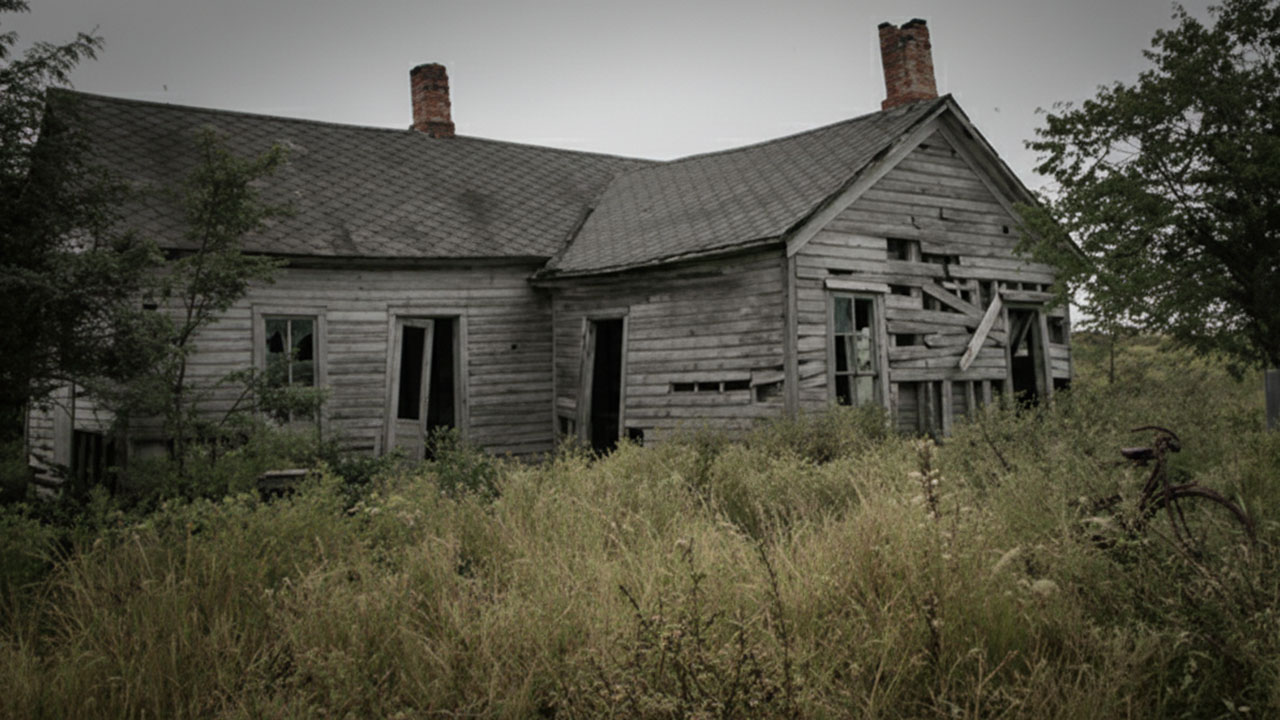
The 1870 census was the first time farmers fell below 50% of American wage earners. Even then, they were still close, at 47.7%. By 1920, farmers were less than one third of the American population. Between 1870 and 1920, 11 million Americans migrated to cities. Learn about the events that spurred this migration and changed our ancestors from rural to urban dwellers and how to reconstruct their stories.
From the beginning of European settlement in North America, free and inexpensive land has been a tool for enticing settlers to migrate to new areas. The English and Spanish granted large tracts to individuals in return for bringing new people into areas with sparse European populations. Bounty land was granted to soldiers in America’s early wars. The end of the American Revolution led to a number of Federal plans to sell or grant vast acreages of public domain land. Homesteading opportunities attracted Americans and immigrants to the west after the Civil War. The availability of affordable land was a catalyst for the migration of many of our ancestors.
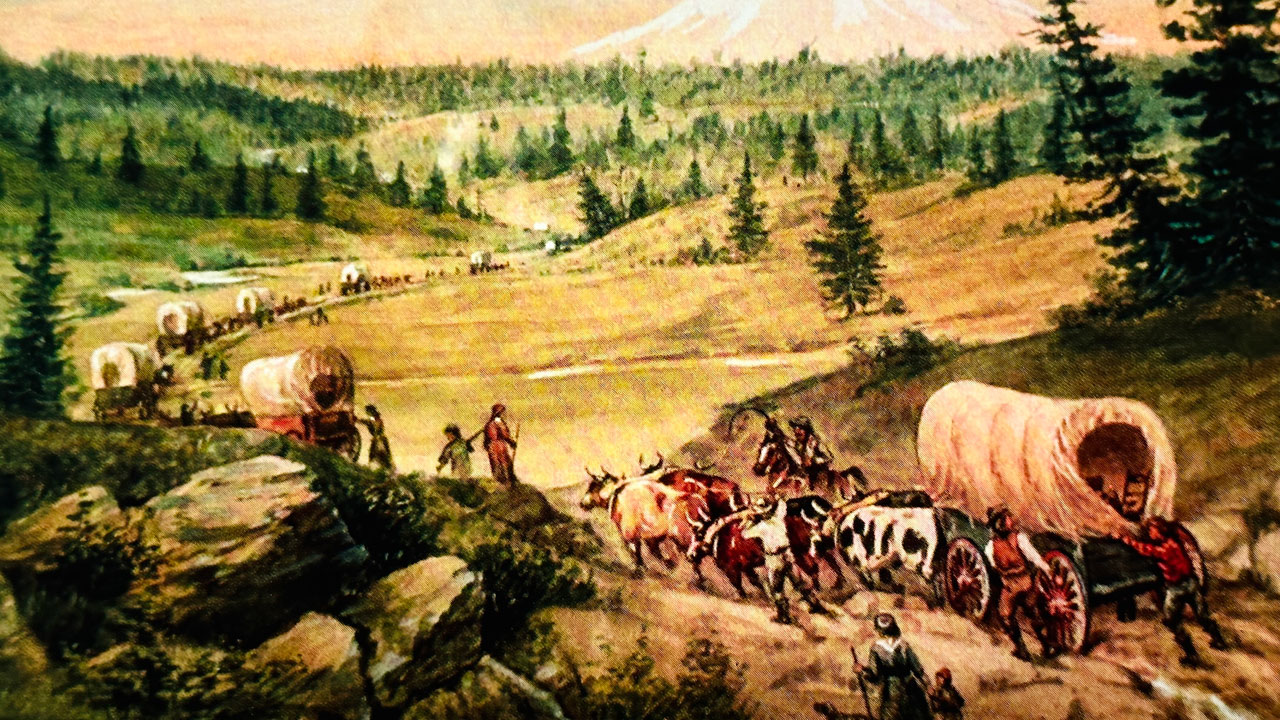
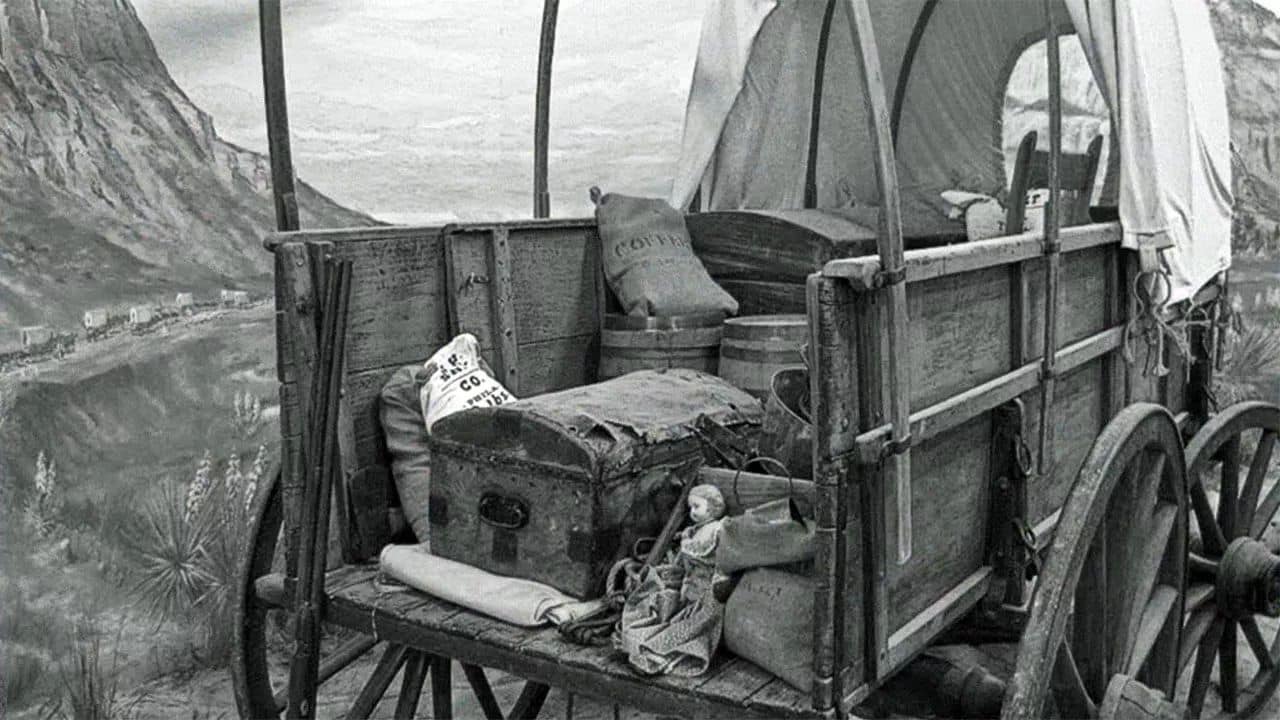
The Oregon Trail extended approximately 2,000 miles from Independence, Missouri to Oregon City, Oregon from 1840 to 1869. More than 50,000 people traveled to Oregon and a great number died on the journey. This talk will cover resources for conducting research on the people and their lives along the trail.
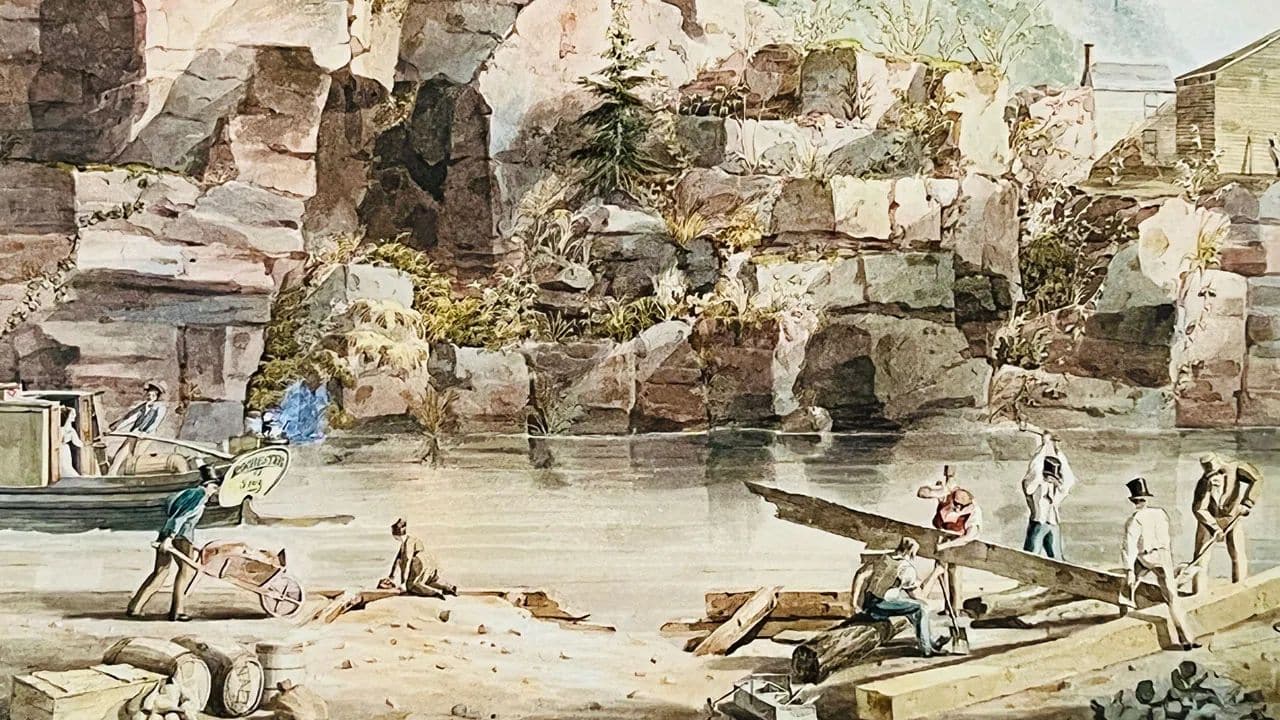
The Erie Canal revolutionized 19th-century travel and offered our ancestors a high-speed route from the eastern United States to the Midwest. It made settlement of the Old Northwest Territories economically possible by providing an efficient means of exporting agricultural products to the markets and ports of the east. But it was also one of the most challenging and fascinating projects ever undertaken in America.
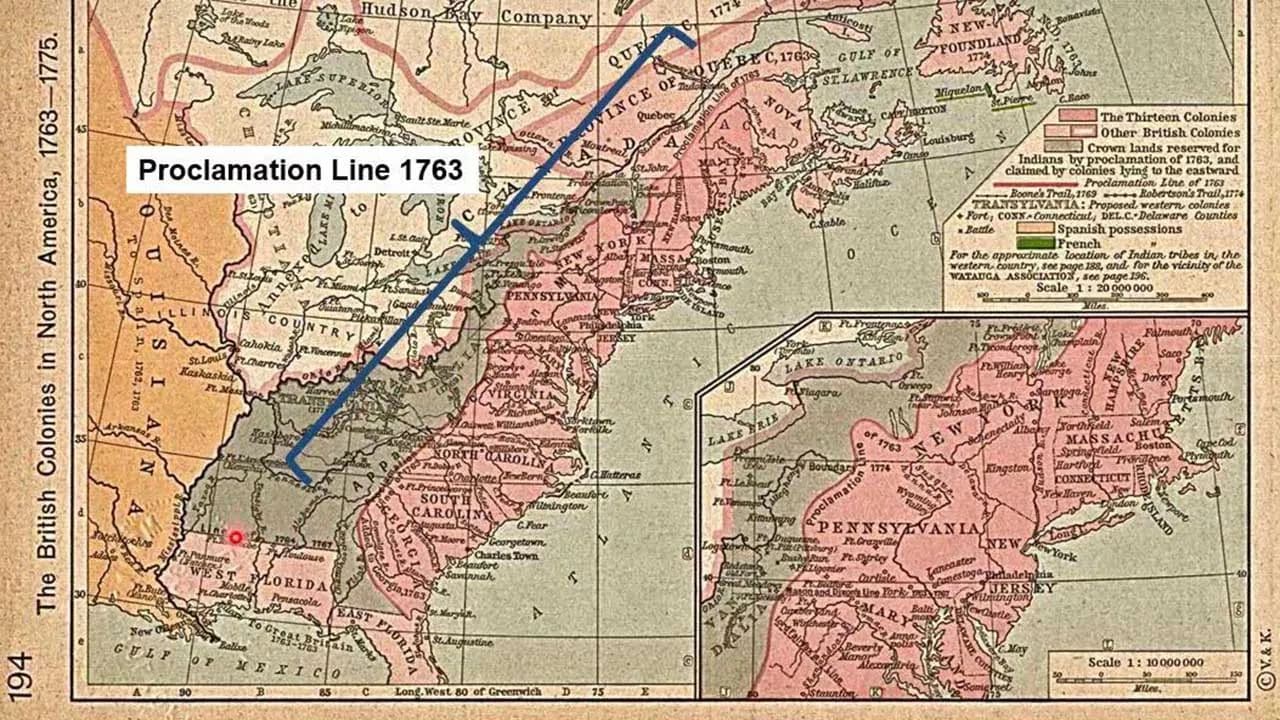
Before the Revolutionary War, geography, topography and a strong indigenous people presence shaped migration patterns. This webinar covers the dominant push-pull forces and challenges for colonial migration. Using maps and other graphics, the major migration routes by region will be described: New England, mid-Atlantic and southward from Virginia. Famous paths such as the Kings Highway, the Great Valley Road, and the Fall Line Road as well as less well-known paths such as the Greenwood Path and the Forbidden Path will be covered. Using a set of case studies, the process of locating clues in local histories, land records, and vital records is unfolded.
Tracing migrating ancestors: Who, what, where, when, why and how
We’re all descended from migrants – it’s a fact of history. But who left Europe when? Where did our earliest known ancestors come from? How can we use what we know about family to understand where to look for records? What if we have almost nothing at all? Join MyHeritage’s Director of Content in Europe, Myko Clelland, as we delve into centuries of travel from the old world to the new, getting to grips with the historical rules and patterns that give us the context to better tell our ancestors stories and lead us to new discoveries.
Direct Your Letters to San Jose: Following Ancestors’ Migration Trails
U.S. Migration patterns trended from the east to west coasts as Manifest Destiny played out in our American ancestors’ lives. Did they write letters? Yes, they did. Did they keep a diary? Likely. But, have those documents survived, and if so where might they be located? Follow through historical documents the 100+year Westward Migration of one family who created, saved, and handed down pertinent historical documents pinpointing their migration from Kentucky to Illinois in the early 1830s, chronicled an overland journey to the California Gold Rush 20 years later in 1850, then later emigrated from Illinois to Kansas in the early days of the Civil War. Discover what brought one descendant to Kansas City, Missouri, after World War II. Where’s their next stop? This case study is studded with potential research avenues for any genealogist, anthropologist, archivist, cartographer, or automobile enthusiast.
After the end of the Civil War in 1865, African Americans began leaving the areas where they had been enslaved. Many went to North to larger towns where work was more plentiful. But less discussed is that a number went West to farm, using the Homestead Act of 1862 to claim land of their own. Other settled in and helped develop some all-Black towns in Kansas and Oklahoma. Still others headed to the Pacific Coast for work. What can we find out about these settlers’ lives? Where can we find records?
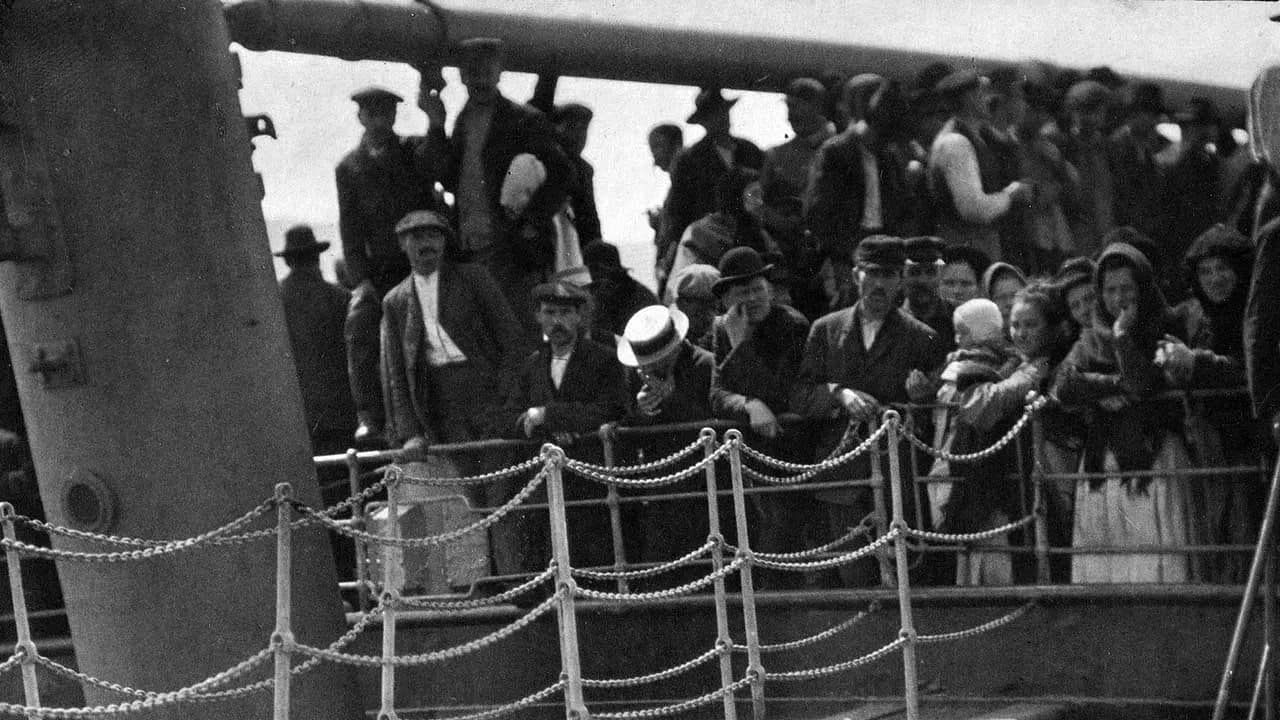
Germans began immigrating to the United States in 1683, according to documented history. This talk will highlight significant aspects of the first four major waves of migration, through 1910. The areas from which they came and motivations that typified each wave will be detailed. Available immigration and emigration records help tell the immigrant’s story. Laws changed over time and impacted various aspects of the immigration experience.
Many federal records pertain to the development and use of waterways in the United States. This lecture shows examples and explains the relevance of some of the applicable records found at the National Archives in Washington, DC, in its online holdings, and at its regional facilities like Chicago, Atlanta, Kansas…
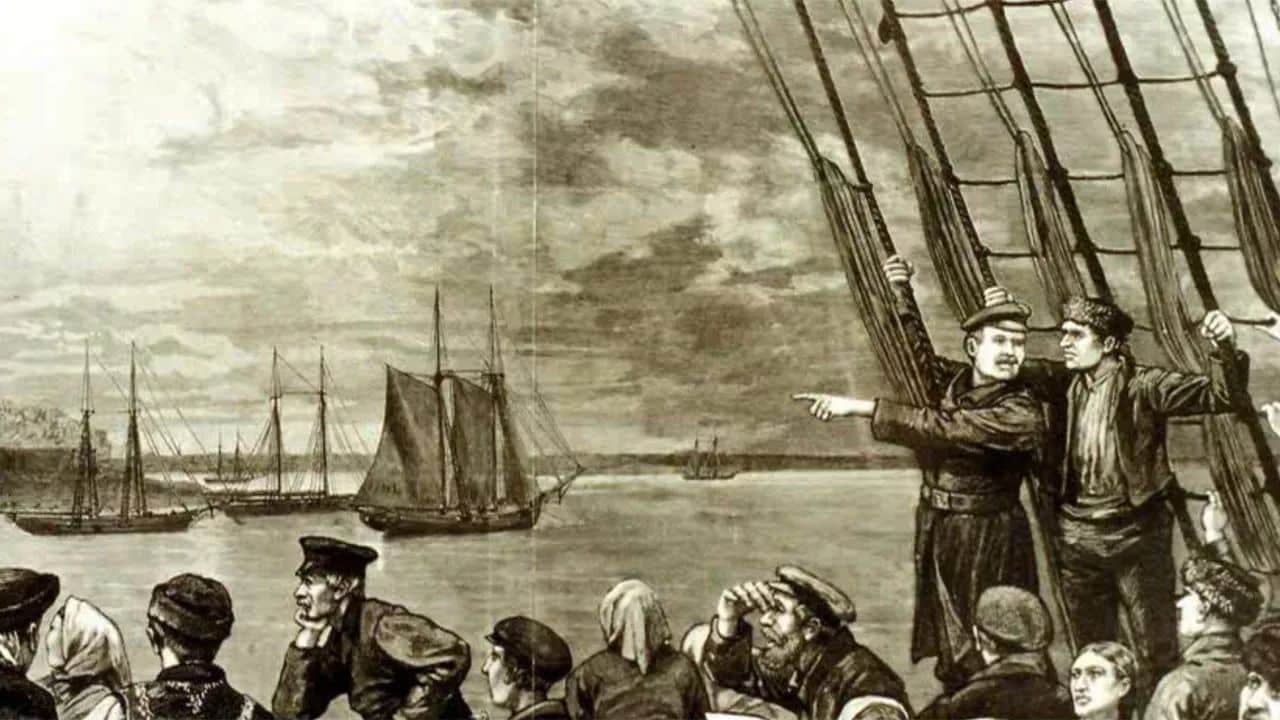
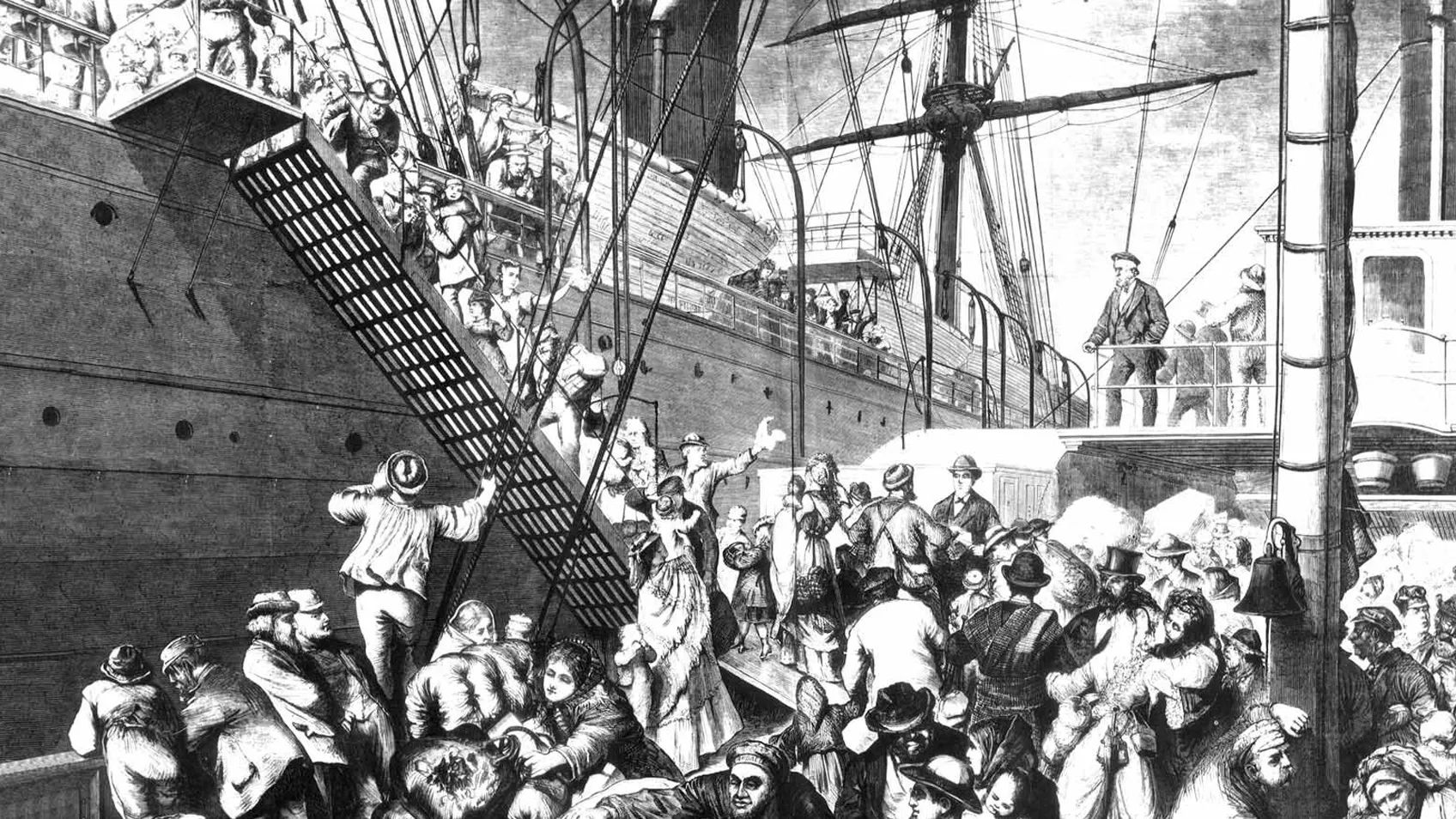
What pressures and enticements motivated people to migrate from one location to another? Learn about the social forces that stimulated migration to new areas: from the East coast westward, from farms to big cities, north into Canada, and into the Midwest.
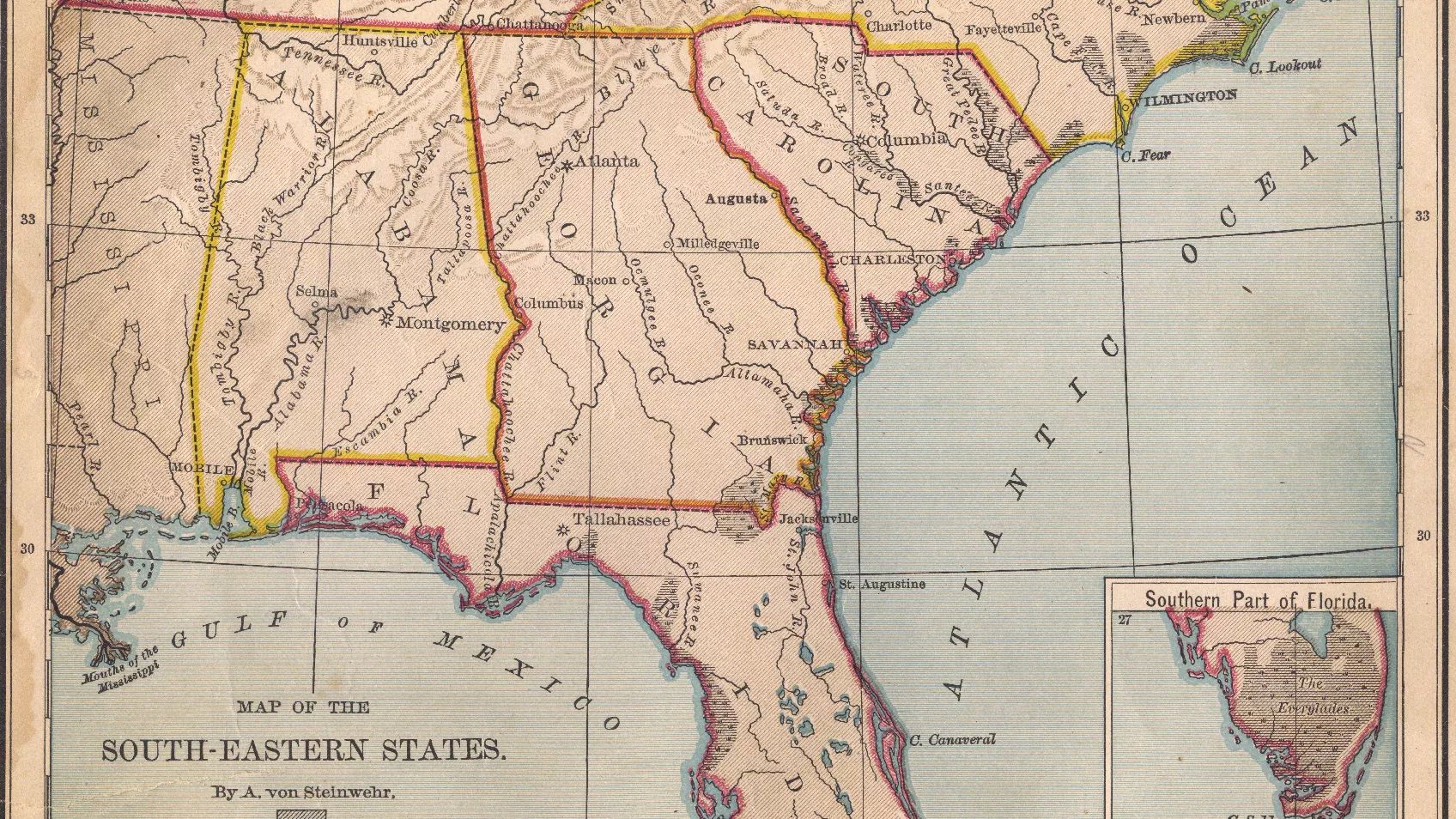
Why did people migrate from one location to another? What routes did they follow, and how can identifying migration trails help you find your ancestors? Learn from maps and historical details how to follow the trail of your ancestors into and out of the Southern states.
Le Système d’Organisation de Généalogie à Six Dossiers
Thu, March 5 2026: 14:00 UTC
Les sous-titres et la voix de cette vidéo ont été doublés en français à l’aide de l’IA.
Perdu dans une mer de fichiers numériques, de photos de famille et de documents papier ? Vous ne trouvez pas les dossiers que vous savez avoir ? Vous numérisez des photos et des dossiers plus d’une fois ? Ce système basé sur les archives vous aide à organiser TOUS vos travaux de recherche généalogique et vos dossiers en seulement six dossiers. Pas besoin de codes couleur, de systèmes de numérotation ou d’autres schémas compliqués avec des idées d’un généalogiste et archiviste professionnel.
Les sous-titres et la voix de cette vidéo ont été doublés en français à l’aide de l’IA.
Perdu dans une mer de fichiers numériques, de photos de famille et de documents papier ? Vous ne trouvez pas les dossiers que vous savez avoir ? Vous numérisez des photos et des dossiers plus d’une fois ? Ce système basé sur les archives vous aide à organiser TOUS vos travaux de recherche généalogique et vos dossiers en seulement six dossiers. Pas besoin de codes couleur, de systèmes de numérotation ou d’autres schémas compliqués avec des idées d’un généalogiste et archiviste professionnel.
Diccionario geográfico de España para genealogistas: cómo interpretar lugares antiguos en tus investigaciones familiares
Tue, March 10 2026: 14:00 UTC
Aprende a usar un diccionario geográfico de España para tus estudios genealógicos. Descubre cómo identificar pueblos desaparecidos, cambios de nombres, y divisiones históricas que afectan tu árbol familiar. Ideal para genealogistas y aficionados a la historia familiar.
Leveraging Freedom of Information Laws to Procure Novel Records
Wed, March 11 2026: 18:00 UTC
This lecture will explain Freedom of Information Laws, and what genealogists can do with them. A variety of jurisdictions and case studies will be discussed.
From Research to Data with AI 1 of 5: From Records to Raw Data—Extracting with AI
Thu, March 12 2026: 0:00 UTC
Use AI to extract, clean, organise, and analyse your family history research. Intermediate level, focused on workflows and data handling; ideal for users managing large research projects; activities include table-building, clustering, and data cleaning.
La plupart des généalogistes n’exploitent pas pleinement tous les indices disponibles dans les annuaires municipaux. Apprenez à aller au-delà d’une simple « recherche » de vos ancêtres et de leur famille. Comprenez comment les annuaires municipaux ont été créés, les secrets des différentes abréviations et comment utiliser l’approche F.A.N. Club pour obtenir le plus d’informations possible. Ce webinaire fait partie du séminaire de généalogie MyHeritage d’une journée, diffusé en direct depuis le siège de MyHeritage à Or Yehuda, en Israël.
Les sous-titres et la voix de cette vidéo ont été doublés en français à l’aide de l’IA.
La plupart des généalogistes n’exploitent pas pleinement tous les indices disponibles dans les annuaires municipaux. Apprenez à aller au-delà d’une simple « recherche » de vos ancêtres et de leur famille. Comprenez comment les annuaires municipaux ont été créés, les secrets des différentes abréviations et comment utiliser l’approche F.A.N. Club pour obtenir le plus d’informations possible. Ce webinaire fait partie du séminaire de généalogie MyHeritage d’une journée, diffusé en direct depuis le siège de MyHeritage à Or Yehuda, en Israël.
Les sous-titres et la voix de cette vidéo ont été doublés en français à l’aide de l’IA.
Northumberland and Durham, in the extreme north-east corner of England, are often united when discussing family history. Our ancestors moved easily back and forth across the River Tyne, to live and work, connected by the City of Newcastle-Upon-Tyne on the boundary. Discover the key resources and how to locate them in the various archives covering the two counties. Learn how to effectively use the catalogues and finding aids, see what is available online or what can only be accessed in archives or libraries. Also learn about what records are different and unique to these two counties and are really helpful in your research.
By registering, you are submitting your information to Legacy Family Tree Webinars and agreeing to let us use it to contact you.
Thank you for registering!
You should receive a confirmation email with a link to the webinar soon.
You’ll also receive a reminder both the day before and one hour before the webinar begins. Didn’t receive a confirmation email?
You successfully registered for %s.
You should receive a confirmation email with a link to the webinar soon.
You’ll also receive a reminder both the day before and one hour before the webinar begins. Didn’t receive a confirmation email?